
Difference Between 2 Way Switch And 3 Way Switch
Ever felt like a light switch was judging you? Like it had secrets? Well, maybe it does! We're going to peek behind the electrical curtain and uncover the mystery of the 2-way and 3-way switches. Prepare for illumination (pun intended!).
Okay, so a regular ol' light switch – the one you probably flick every day – is usually a 2-way switch. Think of it as a simple on/off relationship. One switch, one light, one place to control it. Pretty straightforward, right?
Imagine you're walking into a room. You flip the switch by the door, and boom, light! When you leave, you flip the same switch again, and darkness descends. This is the life of a happy, uncomplicated 2-way switch. It's content with its simple job.
Must Read
The Plot Thickens: Enter the 3-Way Switch
Now, let's add a twist. Let's say you have a long hallway. Wouldn't it be awesome to turn the light on at one end of the hall and then turn it off at the other end? This is where the 3-way switch struts onto the stage. It's the hero of convenience, the champion of long hallways, and the sultan of staircases! Think of it as light switch teamwork. It's like the Avengers, but for electricity.
A 3-way switch isn't just one switch; it's a dynamic duo! You need two of them wired together to control a single light fixture from two different locations. It's a beautiful partnership, a symphony of electrons, a… okay, I'll stop. But seriously, it's pretty darn cool.
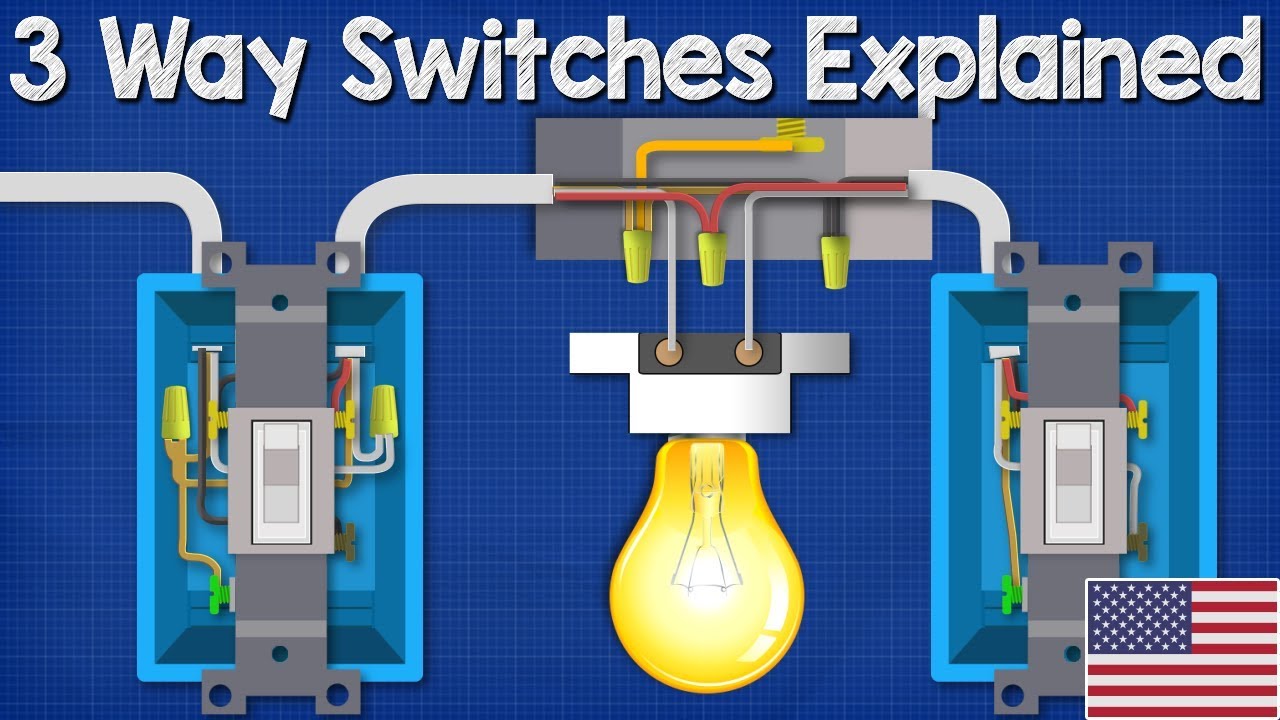
The magic of a 3-way switch lies in its internal wiring. Unlike the 2-way, which simply breaks or completes a circuit, the 3-way switch has two traveler wires. These traveler wires act like different paths. Each switch chooses which path the electricity takes. By switching the paths, you can turn the light on or off regardless of the position of the other switch.
Confused? Don't worry! Think of it like a train track. The electricity is the train, and the switches are controlling which track the train takes. One track leads to the "light on" station, and the other leads to the "light off" station. Each switch can redirect the train, allowing you to control the light from either location.
Why Should You Care?
Well, beyond the sheer entertainment value of understanding how these little gadgets work, there are practical benefits! Ever stumble up a dark staircase? A 3-way switch could save you from a tumble (and maybe a trip to the emergency room). Want to avoid a midnight trek across a darkened living room? 3-way switches are your friends.

They're not just for hallways and stairs. Think about bedrooms with multiple entrances. Imagine controlling the bedroom light from both the door and your bedside table. Pure bliss!
The 3-way switch is the unsung hero of modern convenience, quietly making our lives safer and easier, one flick at a time. It's a subtle but powerful demonstration of how clever electrical engineering can improve our daily routines.

How to Tell the Difference
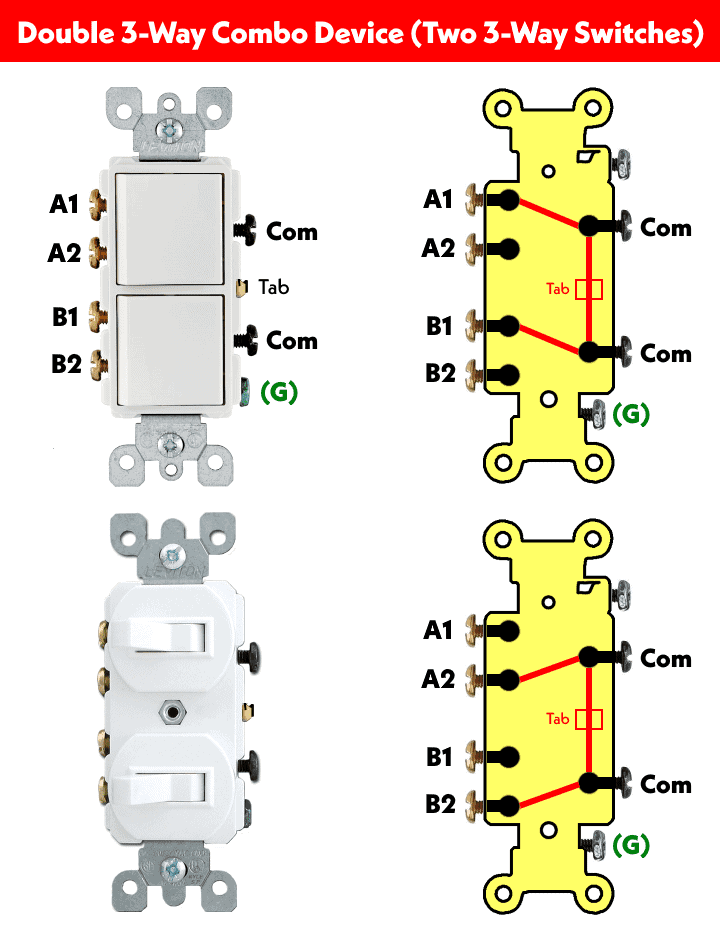
So, how do you spot the difference between a 2-way and a 3-way switch? Look at the number of screws! A standard 2-way switch usually has two screw terminals (where the wires connect). A 3-way switch, on the other hand, typically has three, plus a ground. (Remember, messing with electricity can be dangerous, so always consult a qualified electrician for any electrical work!).
In conclusion, the 2-way switch is the simple, reliable workhorse, while the 3-way switch is the ingenious problem-solver. They both play essential roles in illuminating our homes, but the 3-way switch brings a touch of elegance and convenience to our lives.
Now go forth and appreciate the humble light switch! You'll never look at one the same way again.
