
Difference Between 1.61 And 1.67 High Index Lenses
So, you're venturing into the exciting world of high-index lenses! Buckle up, because we're about to decode the mysteries of 1.61 versus 1.67, and it's way less intimidating than it sounds.
The Thinner-Is-Better Game
Let's be honest, nobody wants to rock glasses that resemble the bottom of a Coke bottle. High-index lenses are all about slimming down those prescriptions, especially if you're packing some serious visual power.
Think of it like this: regular lenses are like a normal slice of bread. High-index lenses are like that same slice, but after someone stepped on it. Flatter and more manageable!
Must Read
What's the Index, Anyway?
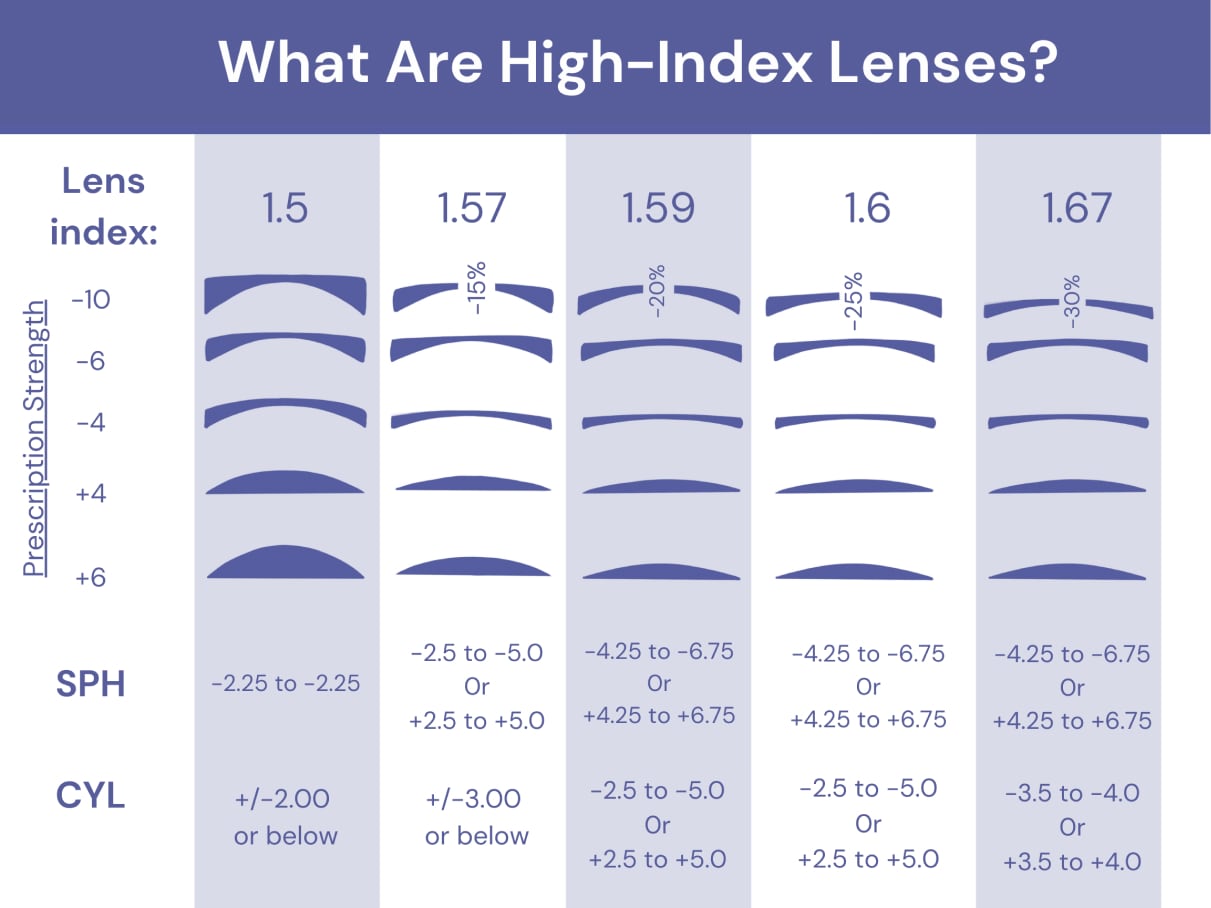
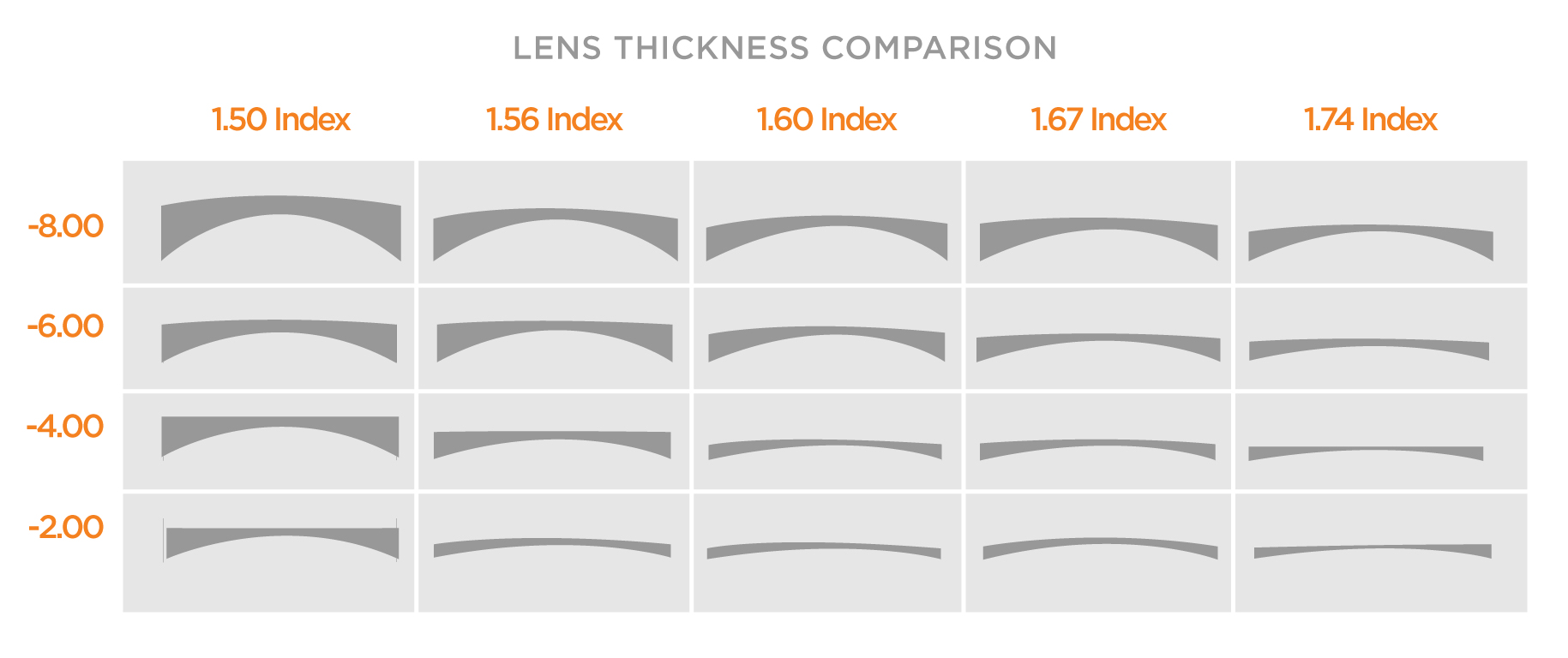
The "index" number (like 1.61 or 1.67) basically tells you how well the lens bends light. The higher the number, the better it bends, meaning you need less material to achieve the same prescription.
Imagine trying to redirect a stream of water. A slight bend in the hose is like a low-index lens, while a sharp, dramatic bend is like a high-index lens. Same job, less hose!
1.61: The Everyday Hero
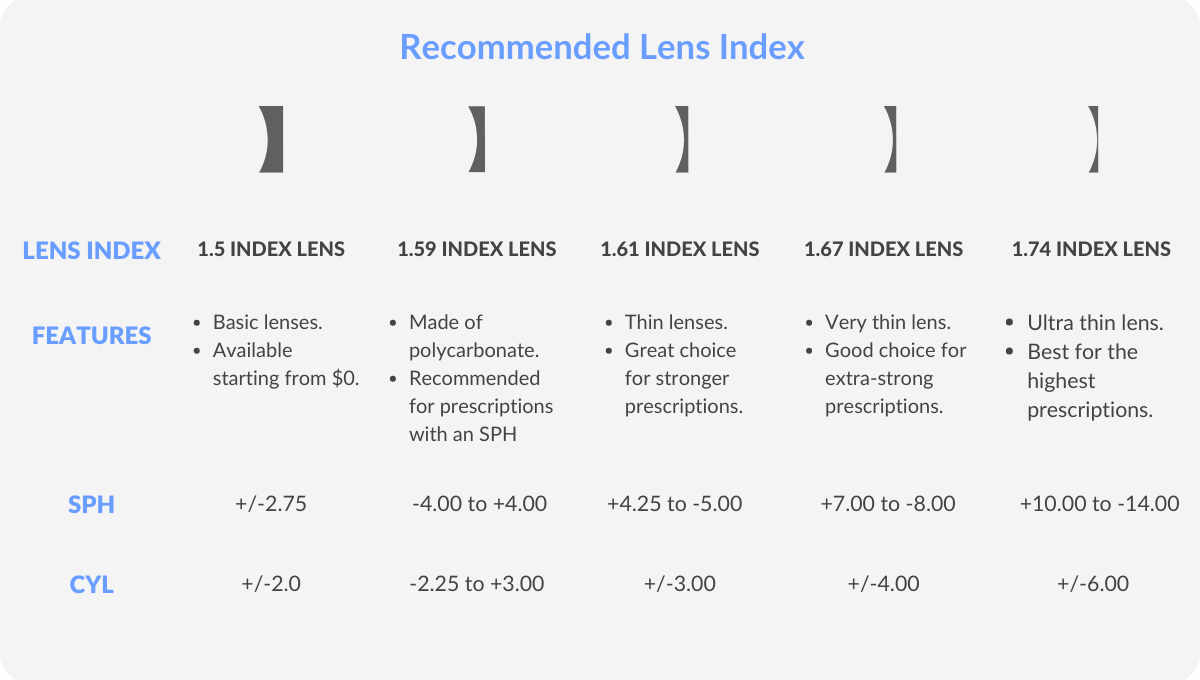
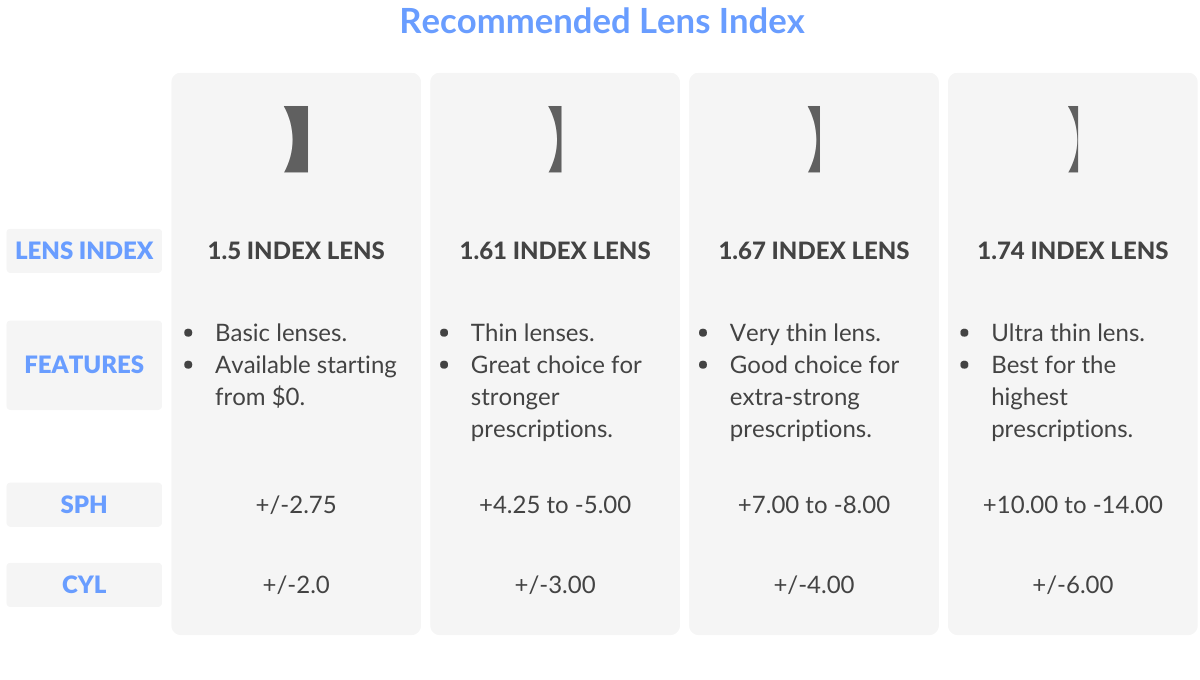
1.61 high-index lenses are like the reliable sedan of the lens world. They offer a significant improvement in thinness compared to standard lenses, and they're often more affordable.
They're a great choice for moderate prescriptions, offering a noticeable difference without breaking the bank. Think of them as the "sensible shoes" of eyewear - practical and stylish enough for daily wear.
If you have a prescription that makes people say, "Wow, those are some strong glasses!" but doesn't require special engineering, 1.61 might be your sweet spot.
1.67: The Super Slim Superstar
Now, let's talk about 1.67 high-index lenses. These are the rock stars of the thin lens world, offering even more dramatic slimming power.
They're perfect for those with stronger prescriptions who want the absolute thinnest and lightest lenses possible. We're talking "barely there" levels of visual correction.
Think of them as the carbon fiber racing bike of eyewear – lightweight, high-performance, and ready to take on any visual challenge. These bad boys are for serious about looking good and seeing clearly.
The Price Factor
Of course, with great thinness comes great...price. 1.67 lenses typically cost more than 1.61 lenses due to the advanced materials and manufacturing processes involved.
It's like comparing regular coffee to a fancy latte with extra foam and sprinkles. Both will give you a caffeine boost, but one offers a more luxurious experience.
Consider your budget when making your decision. If you're looking for the absolute best and don't mind paying a premium, 1.67 is the way to go.
The Abrasion Resistance Rumble
One thing to keep in mind is that higher index lenses, particularly 1.67, can sometimes be a tad softer and more prone to scratches. Don't panic!
This is where a good anti-scratch coating comes in. It's like putting a screen protector on your phone - a small investment that can save you from major headaches later.
Think of the coating as a tiny, invisible bodyguard protecting your precious lenses from the harsh realities of daily life. Scratches? Not on their watch!
The Visual Acuity Advantage
Both 1.61 and 1.67 lenses offer excellent visual acuity. You won't be sacrificing clarity for thinness.
In fact, many people find that high-index lenses actually improve their vision by reducing distortion around the edges. It's like upgrading from standard definition to high definition - everything just looks sharper and clearer.
Imagine watching your favorite show with blurry edges versus crystal-clear detail. Which would you prefer? Exactly!
The Cosmetic Appeal
Let's face it, how your glasses look matters! Thinner lenses are generally more attractive, as they reduce the "bug-eye" effect that can occur with strong prescriptions.
1.67 lenses are the undisputed champions of cosmetic appeal, offering the most significant reduction in lens thickness. They're the secret weapon for looking stylish and confident, regardless of your prescription.
Think of them as the ultimate accessory, enhancing your natural features and making you feel like a million bucks. It's like getting a mini-makeover every time you put them on!
UV Protection: A Universal Shield
Good news! Many 1.61 and 1.67 lenses come with built-in UV protection. This is crucial for protecting your eyes from the harmful rays of the sun.
It's like having a tiny sunscreen for your eyeballs. Even on cloudy days, UV radiation can damage your eyes, so it's important to wear glasses with UV protection year-round.
Consider it an investment in your long-term eye health. Future you will thank you!
The Aspheric Design Consideration
Often, high-index lenses are also designed with an aspheric surface. This means the lens isn't perfectly spherical, which can further reduce distortion and improve your field of vision.
It's like going from a regular TV screen to a curved screen - it wraps around your field of view and provides a more immersive experience.
Ask your eye doctor or optician about aspheric design options when choosing your lenses. It's a small detail that can make a big difference.
Frame Matters, Too!
The frame you choose can also affect the overall thickness of your lenses. Smaller frames generally require less lens material, resulting in a thinner profile.
Think of it like ordering pizza. A smaller pizza requires less dough, so it's naturally thinner. The same principle applies to lenses and frames.

Consider your frame size when selecting your lenses. A smaller frame combined with high-index lenses can create a truly sleek and stylish look.
The Verdict: Which Is Right for You?
Ultimately, the best choice between 1.61 and 1.67 high-index lenses depends on your individual prescription, budget, and aesthetic preferences. There's no one-size-fits-all answer.
1.61 is a great all-around option that offers a good balance of thinness, affordability, and durability. It's perfect for moderate prescriptions and everyday wear.
1.67 is the ultimate in thinness and cosmetic appeal, making it ideal for stronger prescriptions and those who prioritize aesthetics. But be prepared to pay a bit more!
Consult Your Eye Care Professional!
The best advice is to consult with your eye doctor or optician. They can assess your specific needs and recommend the best lens option for you.
They're the experts, and they can help you navigate the sometimes-confusing world of lenses. Don't be afraid to ask questions and express your concerns.
Think of them as your personal eyewear gurus, guiding you on your quest for perfect vision and stylish specs!
So there you have it! The lowdown on 1.61 and 1.67 high-index lenses. Go forth, see clearly, and conquer the world (with thinner lenses, of course!).