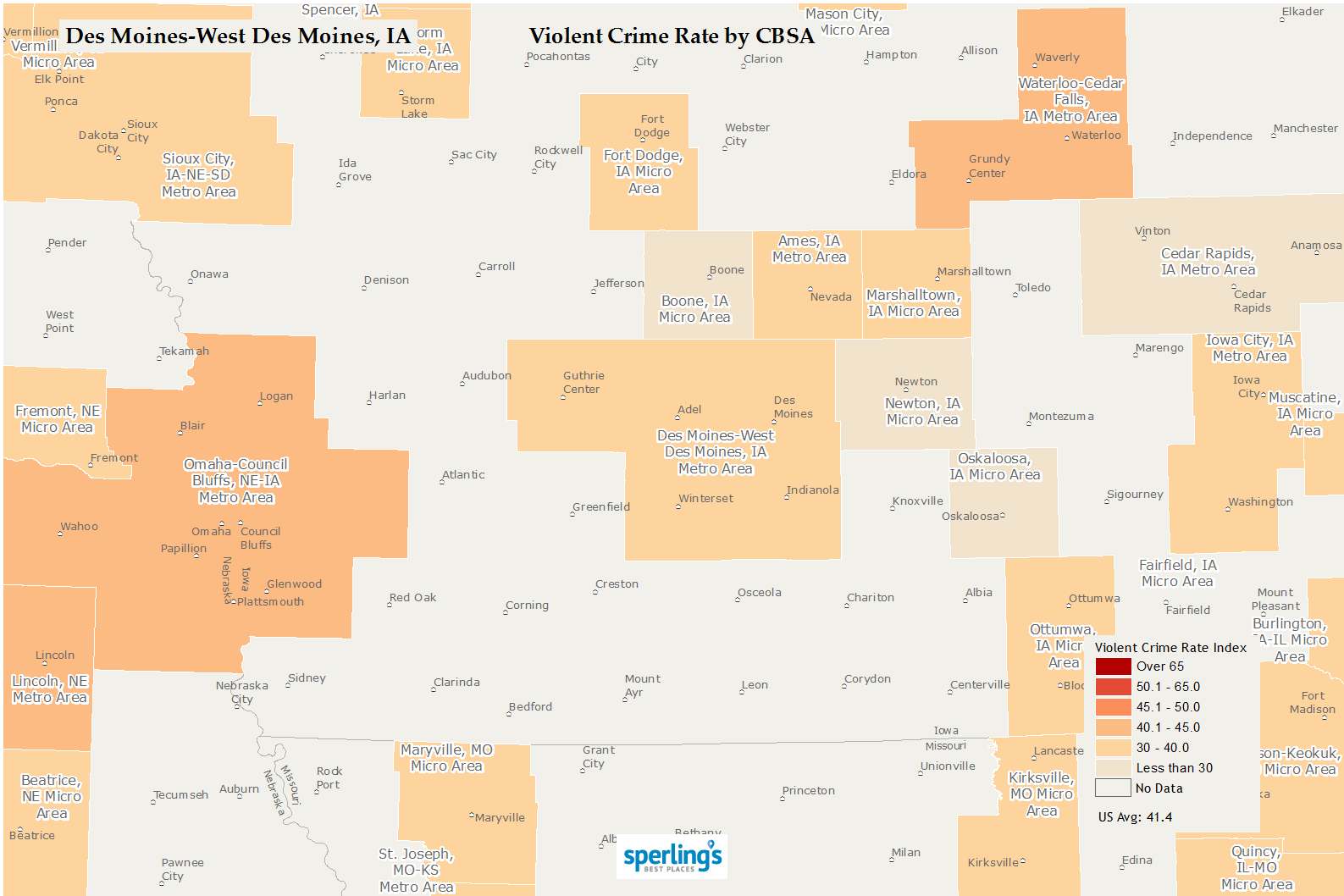
Des Moines Iowa Crime Map

In a world overflowing with information, sometimes the most unexpected resources can spark our creativity and curiosity. We often think of maps as tools for navigation, but what if they could also be a wellspring of inspiration, a canvas for storytelling, or a fascinating lens through which to understand our communities? Take, for instance, the Des Moines Iowa Crime Map. While its primary purpose is serious, when viewed through a different lens, this publicly available dataset transforms into something quite remarkable: a complex, living diagram of urban life, ripe for exploration by artists, hobbyists, and casual learners alike.
The benefits of engaging with such a map extend far beyond its intended use. For artists, it's a trove of abstract visual patterns. The clusters of data points, the varying densities in different neighborhoods, or the shifting geographical spread can inspire everything from modern art pieces to architectural sketches that reflect urban energy. Imagine a canvas depicting the ebb and flow of a city, not with buildings, but with the invisible currents of its daily life. Hobbyists, particularly those interested in local history, urban planning, or data visualization, will find endless projects. You could trace the evolution of a neighborhood, compare data with historical census information, or even use it as a prompt for community-focused photography projects. For the casual learner, it’s a compelling way to gain a deeper, more nuanced understanding of Des Moines, fostering a stronger connection to their city and encouraging critical thinking about the dynamics that shape urban environments.
Consider the diverse ways this map can manifest creatively. An abstract artist might use the map's heat patterns to create a vibrant, multi-layered painting reflecting the pulse of Des Moines. A writer could use specific areas or concentrations on the map as settings or inspiration for character backstories in a short story, grounding their narrative in geographical reality. Perhaps a photographer embarks on a project to capture the beauty and resilience of areas highlighted on the map, telling a more complete visual story of those neighborhoods. Even a budding data analyst could try re-visualizing the data in new ways – perhaps through 3D models or interactive web experiences – to explore different perspectives on community information. The possibilities are truly as vast as your imagination, turning raw data into rich narrative or compelling imagery.
Must Read
Ready to try it at home? It's easier than you think. Start by simply visiting the Des Moines Police Department's website or other publicly accessible crime map platforms for Des Moines. Don't focus immediately on the 'what,' but rather the 'where' and the 'how' it's presented. Observe the patterns: Are there dense clusters? Are some areas surprisingly quiet? Notice any color coding or symbols used. Next, try asking yourself "why?" Why might certain patterns exist? (Always remember to approach such sensitive data with respect and an awareness of its real-world implications.) Use it as a starting point: grab a notebook and sketch what you see, or jot down ideas for a story. Combine it with other free resources like Google Street View or historical aerial photographs to add context. The key is to see the map not just as data, but as a conversation starter, a prompt for personal exploration and creative expression.
Ultimately, engaging with something like the Des Moines Iowa Crime Map in this unconventional way is deeply enjoyable because it taps into our innate human desire to understand the world around us. It offers a unique window into the heartbeat of a city, allowing us to connect dots, discover hidden stories, and transform raw information into something meaningful and personal. It’s the joy of discovery, of seeing patterns emerge from complexity, and of finding unexpected inspiration in the everyday – or in this case, the everyday data.