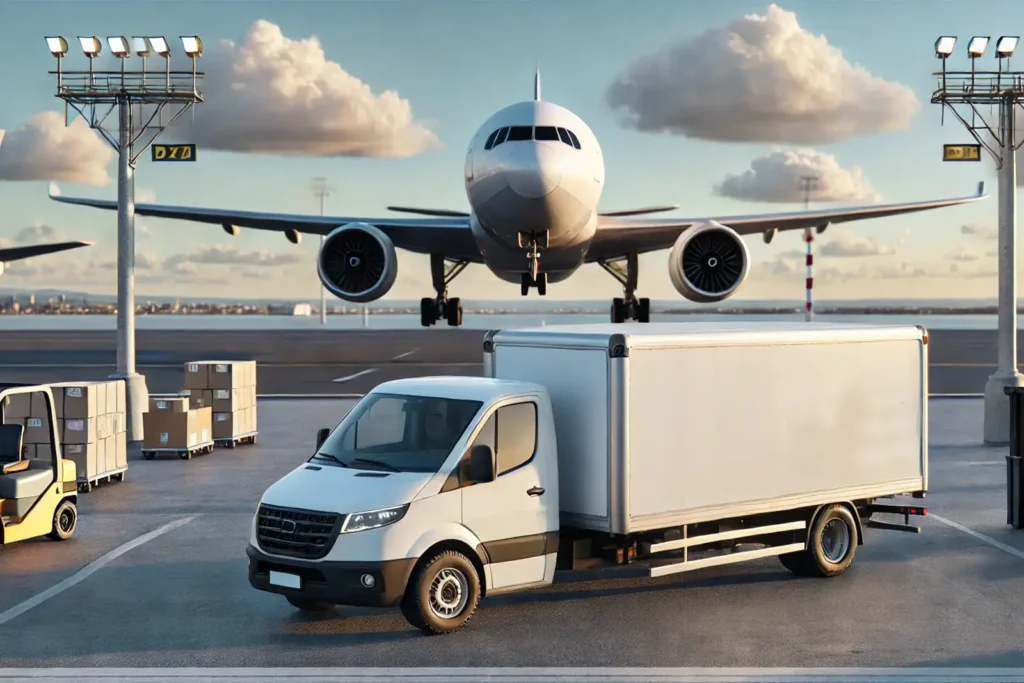
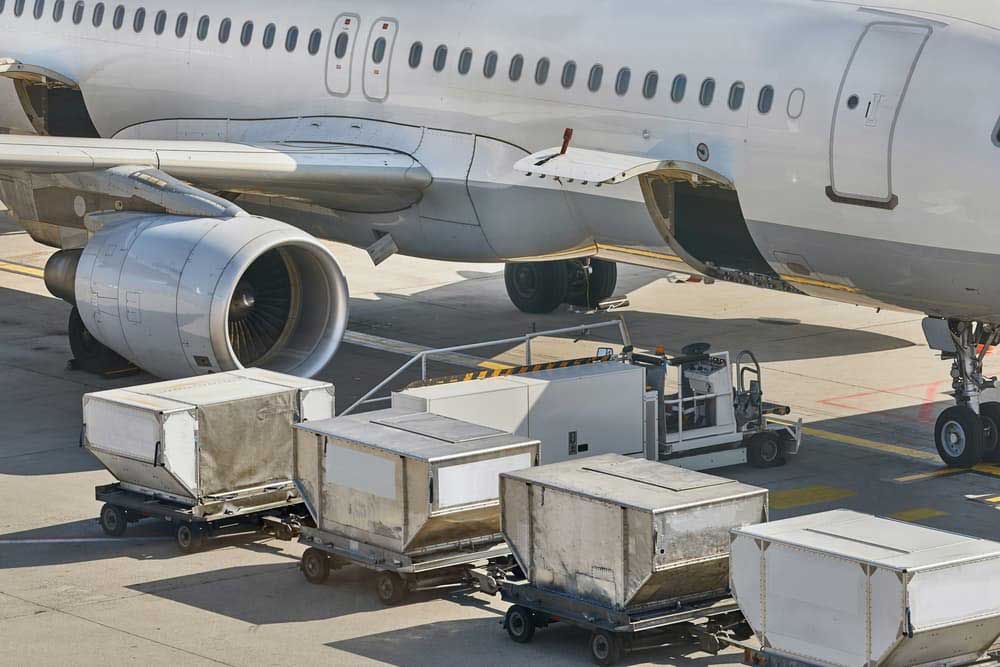
Delivery From A Plane Or Helicopter
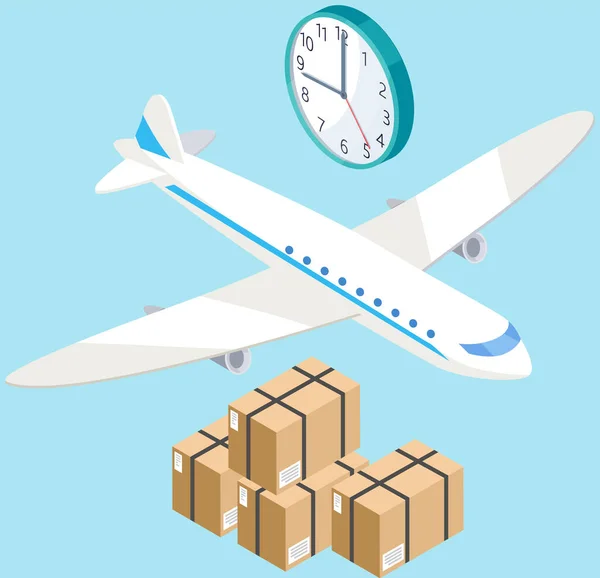
Let's face it, who hasn't dreamt of something magically appearing from the sky? Whether it's the convenience, the sheer novelty, or the life-saving potential, the idea of delivery from a plane or helicopter has a certain appeal. It’s the stuff of action movies and emergency scenarios, but increasingly, it's becoming a real part of our everyday lives.
So, why is aerial delivery so compelling? The primary benefit is accessibility. Imagine a remote village cut off by a landslide, or an offshore oil rig in the middle of the ocean. Ground transportation is simply impossible. Aircraft, however, can overcome these geographical barriers, delivering essential supplies like food, medicine, and equipment when and where they are needed most.
Beyond emergency situations, aerial delivery offers significant speed and efficiency. Think of time-sensitive cargo like transplant organs or critical manufacturing components. Getting these items to their destination quickly can literally be a matter of life and death, or the difference between a production line running smoothly and grinding to a halt. In a world that increasingly values speed and immediacy, the ability to bypass traffic congestion and reach remote locations directly is a major advantage.
Must Read
You might be surprised by the common examples of this in action. Disaster relief is perhaps the most well-known. Following hurricanes, earthquakes, or other natural disasters, helicopters and planes are often used to drop food, water, and medical supplies to affected populations. Forestry services use aerial drops for fighting wildfires, delivering water and fire retardant to remote areas. In the agricultural sector, crop dusting and seeding are common aerial applications. And, of course, we can't forget the military, which relies heavily on aerial delivery for supplying troops in the field.
Increasingly, commercial applications are emerging. Companies are exploring the use of drones for last-mile delivery in urban areas. While still in its early stages, drone delivery promises to revolutionize e-commerce, offering faster and more convenient service, especially for smaller packages.
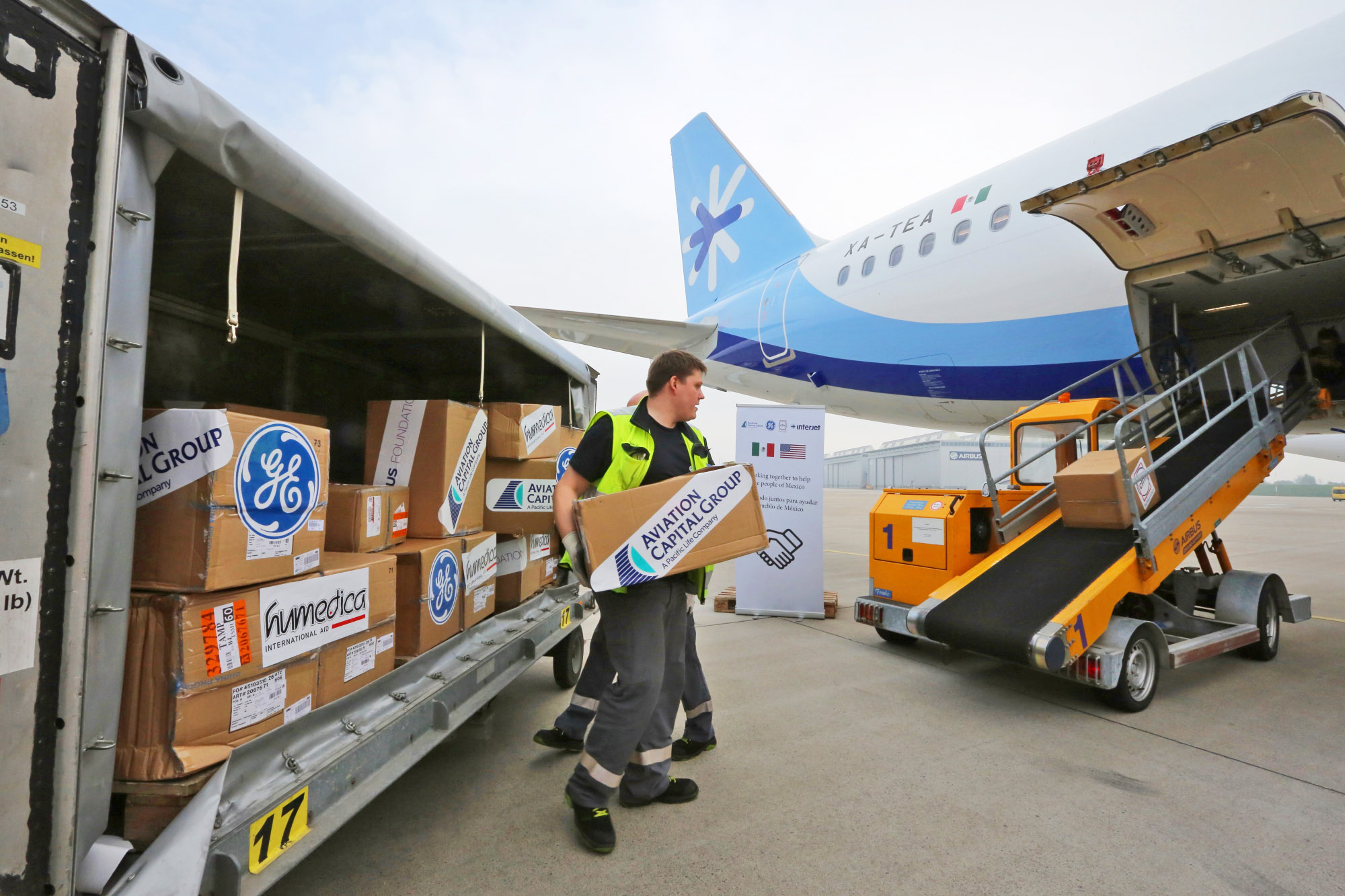
While most of us won't be piloting the aircraft ourselves, here are some tips on how to appreciate and perhaps even benefit from aerial delivery more effectively. Firstly, stay informed. Follow news reports about disaster relief efforts and technological advancements in the field. Knowing how these systems work and what they are capable of can help you understand their importance. Secondly, support organizations that are involved in humanitarian aid and disaster relief. Your contributions can help ensure that essential supplies reach those who need them most, often through aerial delivery. Thirdly, consider the potential of drone delivery services as they become more widely available. They may offer a more convenient and efficient way to receive certain items in the future.
Aerial delivery is more than just a cool concept; it's a vital tool for emergency response, logistical efficiency, and increasingly, commercial convenience. By understanding its purpose and potential, we can better appreciate the role it plays in connecting us and improving our lives.