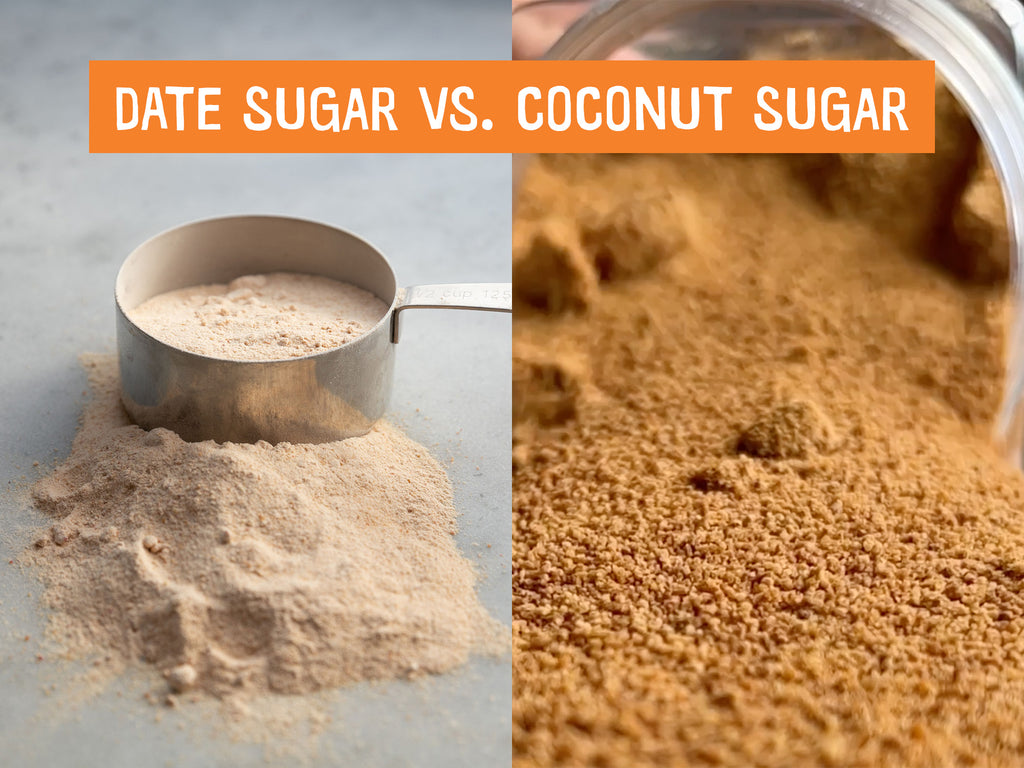
Date Sugar Vs Coconut Sugar Glycemic Index
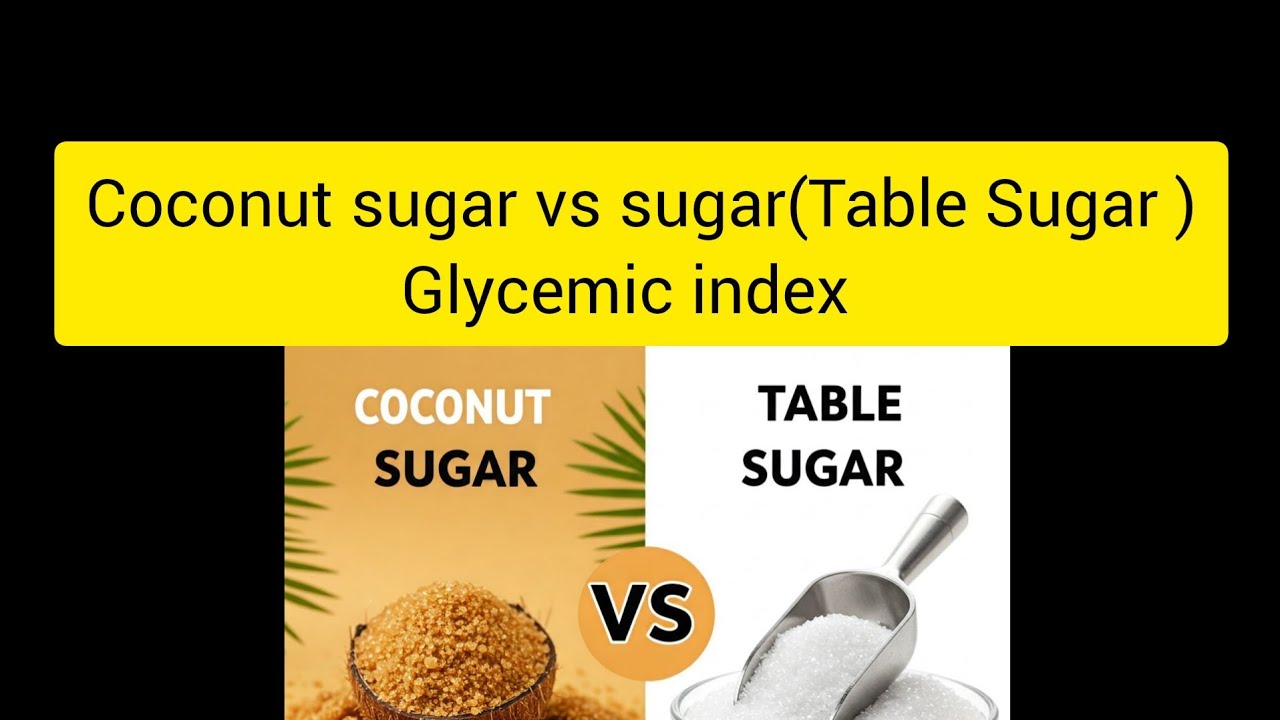
Let's talk sugar, baby! Not the "pour it in your coffee 'til you can stand a spoon in it" kind, but the slightly more sophisticated cousins: date sugar and coconut sugar. We've all seen them lurking on health food store shelves, whispering promises of guilt-free sweetness. But are they really that different from plain ol' table sugar? And what's the deal with this glycemic index everyone keeps buzzing about?
Imagine the glycemic index (GI) as a sugar rollercoaster. The lower the GI, the gentler the ride; the higher, the wilder and faster it climbs. Table sugar is like that rickety wooden coaster from your childhood – thrilling for a moment, but likely to leave you feeling a bit queasy afterwards. We want a smoother ride, right?
So, how do date sugar and coconut sugar fare on this sugar rollercoaster? Well, buckle up!
Must Read
Date Sugar: The "Whole Food" Sweetheart
First up, date sugar! Now, this isn't your average granulated sugar. It's literally just dried, ground dates. Yep, the whole fruit, minus the pit. Think of it as nature's candy, only slightly less processed. Because it's made from the whole fruit, it retains all the fiber, vitamins, and minerals that dates are famous for. Think of it as the conscientious objector of the sugar world. It doesn't want to abandon its friends. It insists on bringing the fiber and antioxidants to the party.
Now, here's where things get interesting. Because it's basically ground-up fruit, date sugar doesn't dissolve particularly well. Try stirring it into your tea, and you'll end up with a grainy, date-y sludge at the bottom. Some bakers love it for adding a chewy texture and depth of flavor to cookies and breads. But it isn’t very practical for every food item. I once made a batch of supposedly gourmet brownies with date sugar, and they came out tasting like little bricks! So I recommend you do your research first!
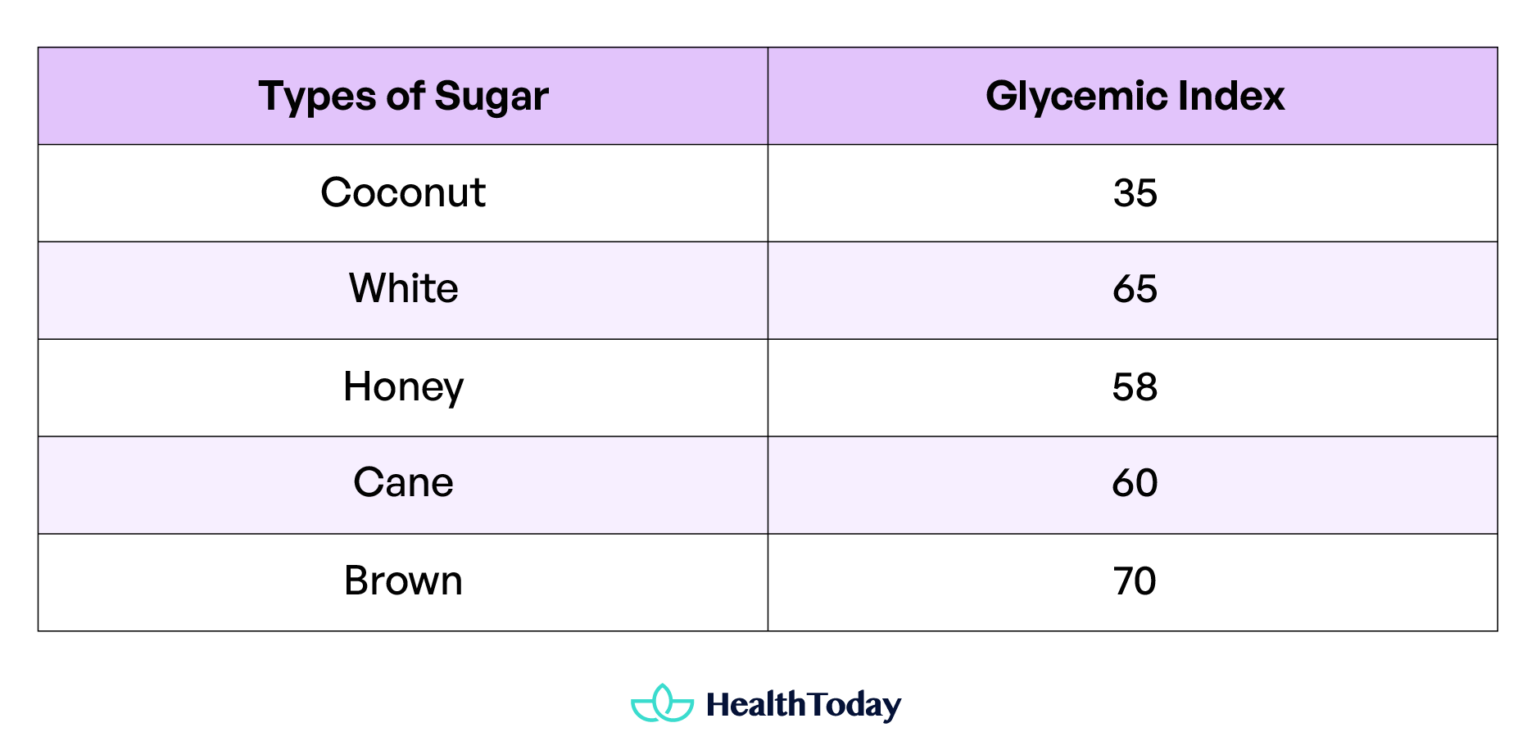
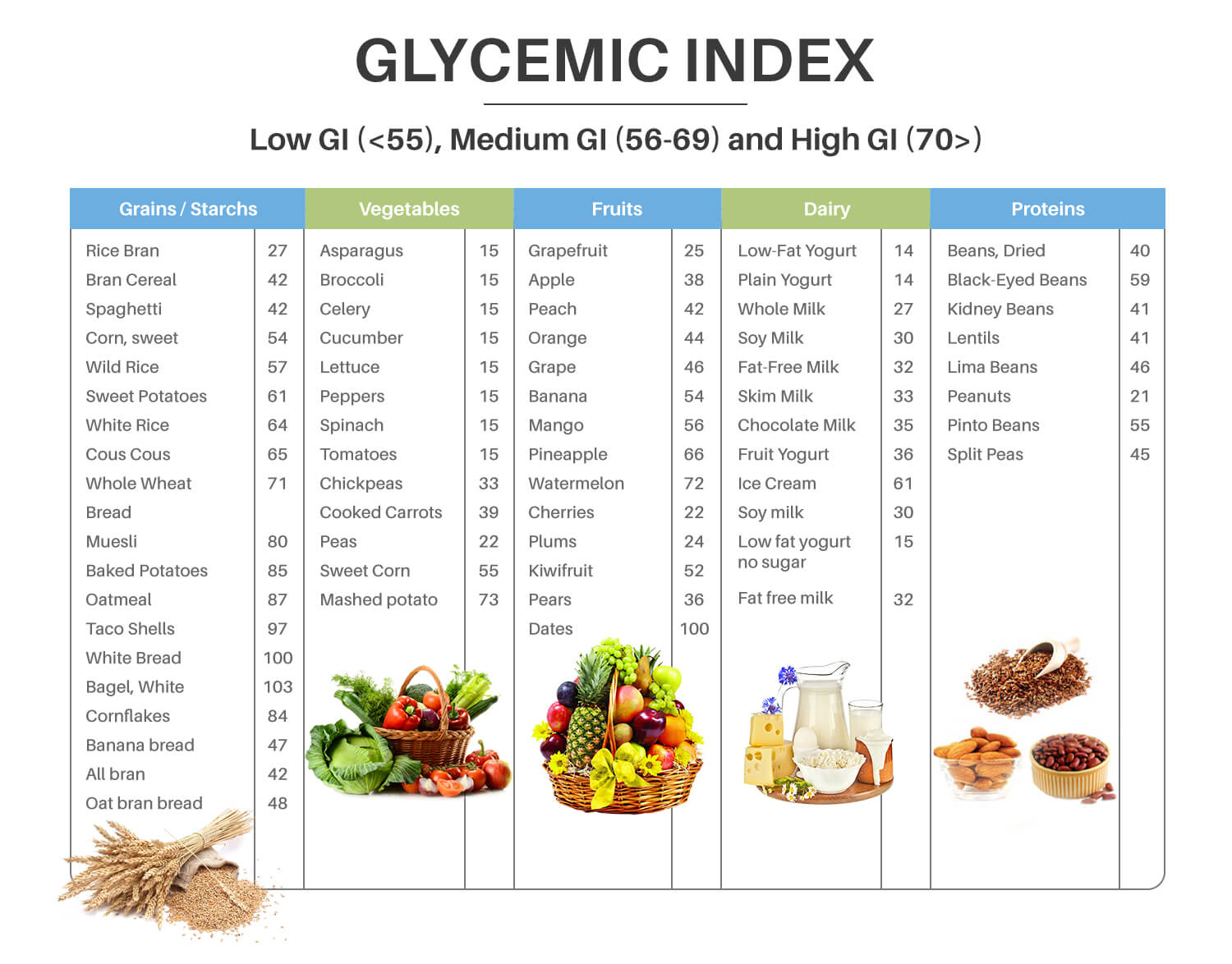
The glycemic index of date sugar is trickier to pin down because it varies depending on the specific type of date used. However, most estimates place it somewhere in the range of 42-70. So, not super low, but it's got fiber that will slow down that sugar rollercoaster. Fiber is like the brakes on the sugar coaster.
Coconut Sugar: The Tropical Temptress
Next up, we have coconut sugar. Unlike date sugar, which is made from the whole fruit, coconut sugar comes from the sap of the coconut palm flower. It's heated and evaporated to create those beautiful amber-colored crystals. Don’t confuse this sugar with palm sugar!

Coconut sugar boasts a delicious caramel-like flavor that's perfect for baking and sweetening beverages. And, unlike date sugar, it dissolves like a dream. Coconut Sugar is much more practical and widely consumed in food items!
The glycemic index of coconut sugar is another area where things get a bit murky. You will see different numbers everywhere! Some sources claim it's incredibly low, around 35, making it a superstar for blood sugar management. Others put it closer to 54, more on par with regular table sugar. Why the discrepancy? Well, the exact GI can vary depending on factors like the region where the coconut palm is grown and the processing methods used. A recent study shows the glycemic index to be closer to 54.
The Sweet Truth: Moderation is Key
Ultimately, both date sugar and coconut sugar are still sugars. They contain calories and will raise your blood sugar levels. While they might offer some nutritional benefits over refined white sugar, they shouldn't be considered "health foods." I recall reading a quote by a famous doctor which stated "I would prefer my patients consume white sugar over date sugar. At least they are aware of the damages that it can do." This really puts things into perspective!
As with all things, moderation is key. Enjoy them in small amounts as part of a balanced diet.
So, the next time you're browsing the sugar aisle, remember that date sugar is the fiber-rich, whole-food wonder that doesn't dissolve easily, and coconut sugar is the caramel-flavored temptress with a slightly mysterious glycemic index. Choose wisely, and happy baking!