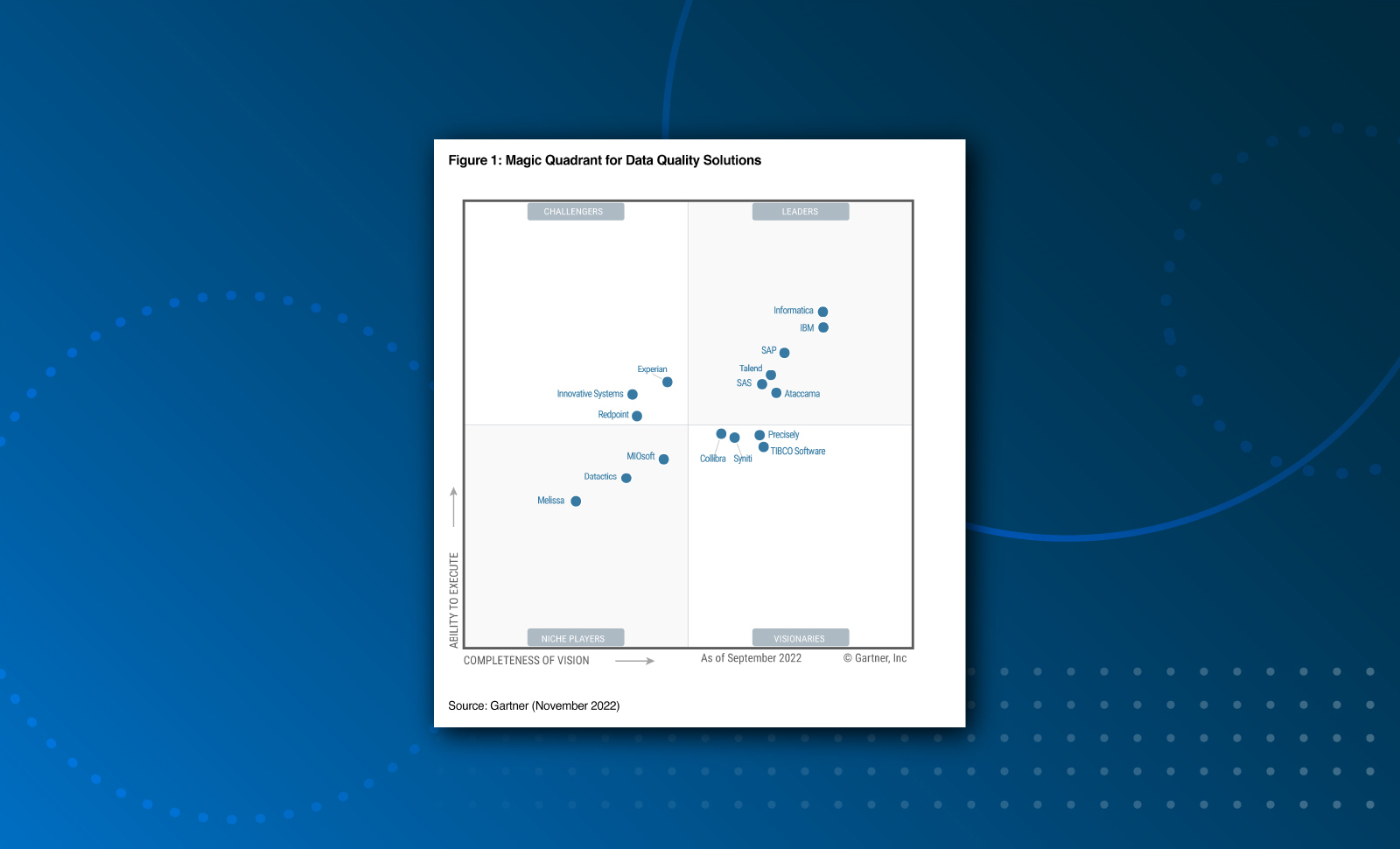
Data Governance Tools Gartner Magic Quadrant
Okay, so picture this: last week, I'm helping my friend Sarah with her small online bakery. Turns out, managing customer data – addresses, orders, preferences – was a total mess. Spreadsheets everywhere, no single source of truth, and GDPR compliance looking like a distant dream. She was basically running her business on chaos. It got me thinking... even a small operation needs some kind of order when it comes to data. And that's where Data Governance Tools come in.
Now, you might be thinking, "Data Governance? Sounds like something only mega-corporations need." But trust me, even if you're not swimming in petabytes, a little data governance can save you a lot of headaches. (And maybe even a GDPR fine!). Which leads us to a crucial question: where do you even start?
Enter the Magic Quadrant
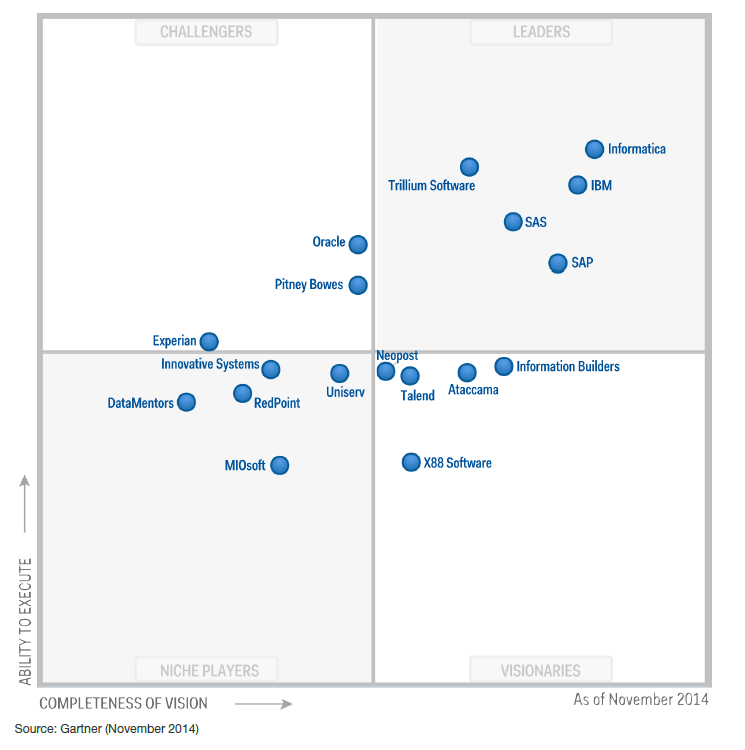
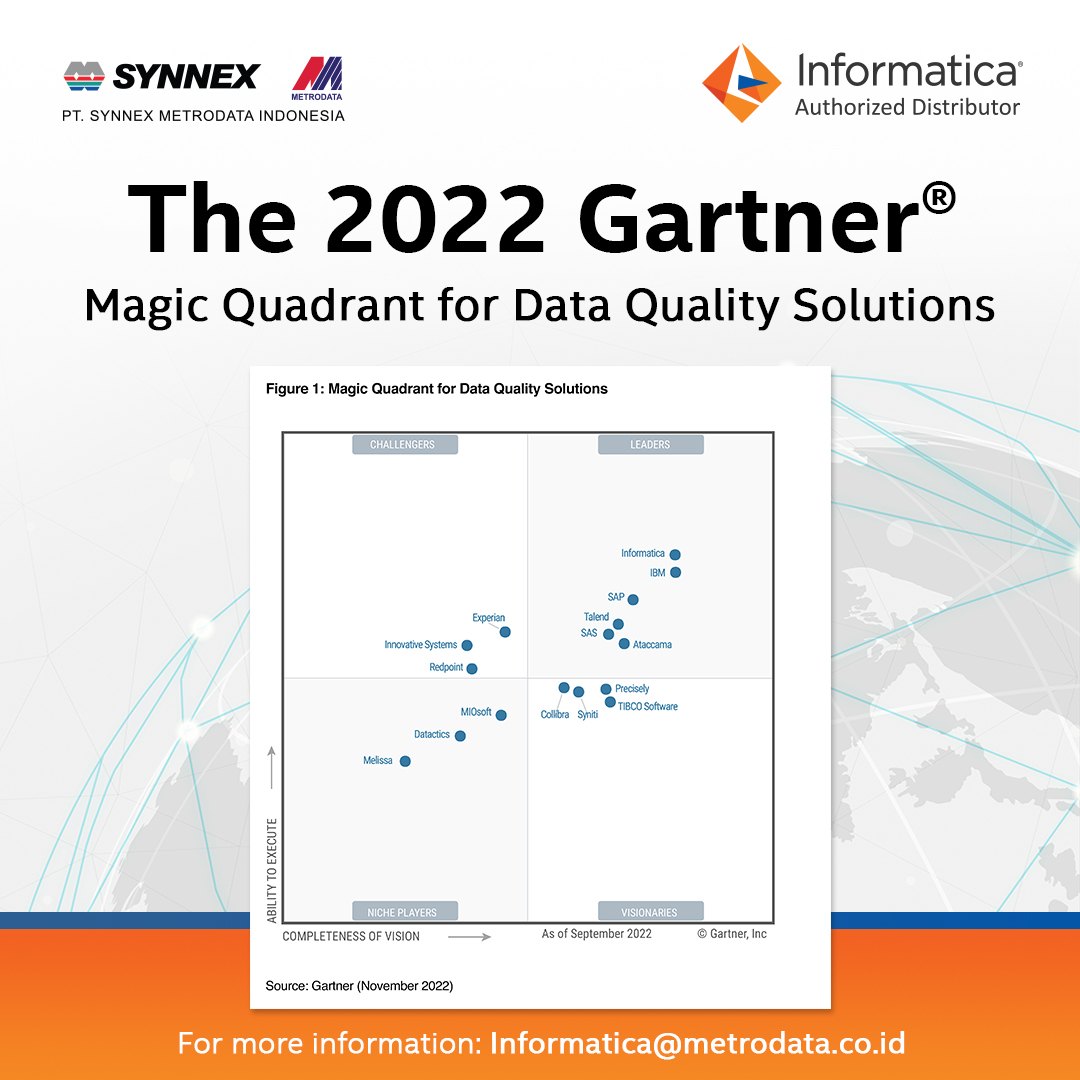
That’s where the Gartner Magic Quadrant for Data Governance Tools comes in. Gartner, the big cheese in tech research, puts out these reports that basically rank vendors in a particular market. Think of it like a Consumer Reports for software, but way more in-depth...and expensive. (If you work for a company that subscribes, consider yourself lucky!)
Must Read
The Magic Quadrant plots vendors on a graph based on two axes: "Ability to Execute" and "Completeness of Vision." The goal is to identify the Leaders (those who are killing it on both fronts), Challengers (strong execution, maybe lacking vision), Visionaries (great ideas, but struggling to execute), and Niche Players (focused on specific areas).
It's not gospel, of course. It's just one perspective, but it’s a pretty influential one. Ignoring it completely would be like ignoring the weather forecast before planning a picnic - probably not the smartest move!
Why Should You Care?
Even if you're not in the market for a data governance tool right now, understanding the Magic Quadrant can be super helpful. Here's why:
- Market Overview: It gives you a snapshot of the entire data governance landscape. Who are the major players? What are the emerging trends?
- Vendor Comparison: Need to compare different tools? The Magic Quadrant can be a great starting point for your research. You can see how different vendors stack up against each other in terms of functionality, pricing, and customer satisfaction.
- Informed Decisions: Even if you end up building your own data governance solution, knowing what the commercial options offer can inform your design and strategy. (Plus, you'll know what you're not getting if you go DIY.)
Decoding the Quadrants
So, what do those quadrants actually mean in practice?
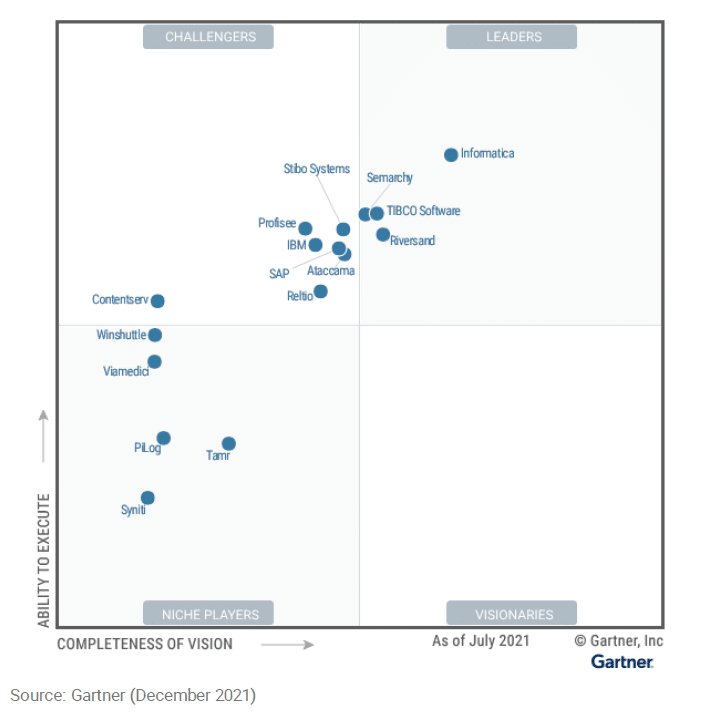
- Leaders: These vendors are the cream of the crop. They have a strong market presence, a comprehensive product offering, and a proven track record of success. If you're looking for a safe bet, a Leader is often a good place to start. (But "safe" doesn't always mean "best fit" for your specific needs).
- Challengers: These vendors are strong executors, but may lack the vision or innovation of the Leaders. They're often a good option if you need a reliable and proven solution, but aren't necessarily looking for cutting-edge technology.
- Visionaries: These vendors are pushing the boundaries of data governance with innovative ideas and technologies. However, they may not have the resources or experience to execute their vision effectively. They are worth keeping an eye on because they represent the future.
- Niche Players: These vendors focus on specific areas of data governance or cater to specific industries. If you have very specific needs, a Niche Player may be the perfect fit.
Beyond the Quadrant: Things to Consider
Remember, the Magic Quadrant is just one piece of the puzzle. Don't make your decision based solely on the quadrant placement. Consider these factors as well:
- Your specific needs: What are your organization's biggest data governance challenges? What features and capabilities are most important to you?
- Your budget: Data governance tools can range in price from free (open-source options) to incredibly expensive.
- Your technical expertise: Do you have the in-house skills to implement and manage a complex data governance solution?
- Customer Reviews and Case Studies: Dig deeper! Read customer reviews and case studies to see how other organizations have used the tool.
Data governance is an ongoing process, not a one-time project. Choose a tool that you can grow with and that will adapt to your changing needs. (And maybe send a link to Sarah. Her bakery's data could use a little help! 😉)