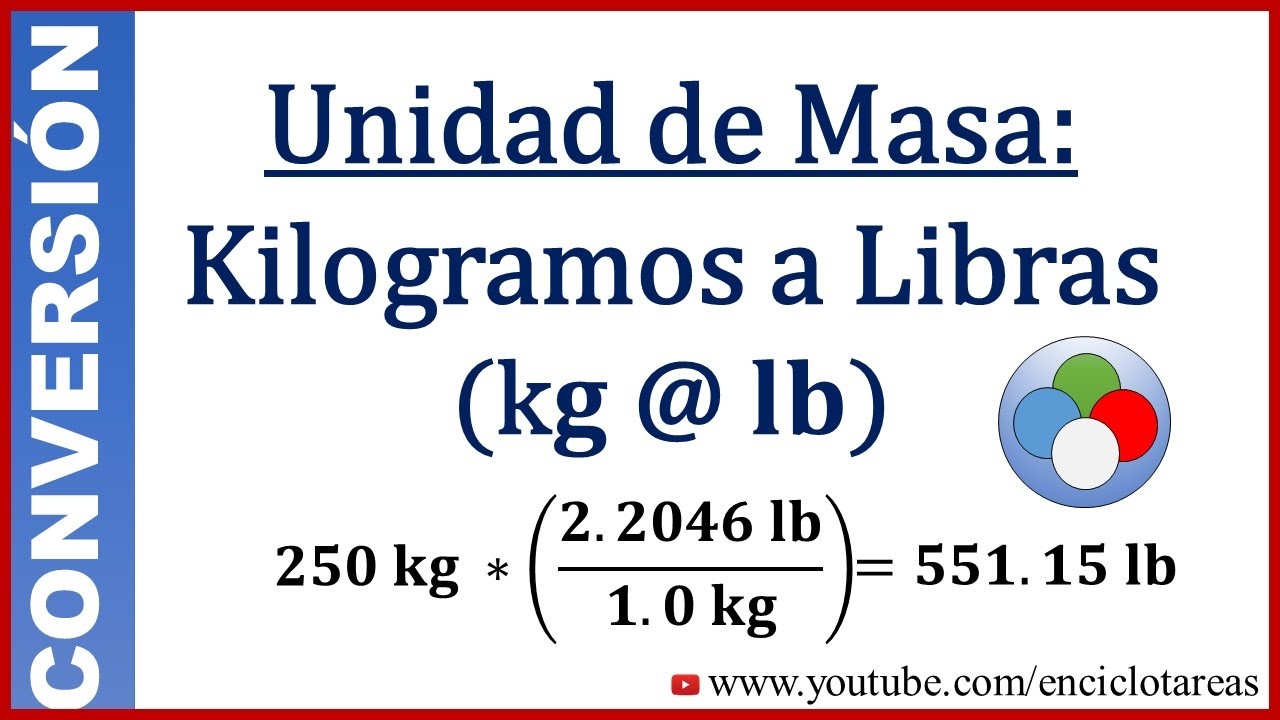
Cuantas Libras Tiene Un Kilogramo

Okay, so picture this: I'm at the grocery store, trying to bake this ridiculously ambitious cake I saw on Pinterest. (You know the kind, the ones with, like, edible glitter and six layers of frosting?). The recipe calls for 500 grams of flour. Great. Except my kitchen scale is MIA, probably hiding with all the missing socks. So, naturally, I'm staring blankly at the bags of flour, each helpfully labeled in POUNDS. Ugh. This is where the existential weight question begins: just how many pounds ARE in a kilogram?
Don't worry, you're not alone if you've ever had this moment of metric-to-imperial panic. It's a universal experience, like stubbing your toe or accidentally replying-all to an email.
The Big Reveal: Pounds vs. Kilograms
Alright, drumroll please... The answer is: 1 kilogram is approximately equal to 2.20462 pounds.
Must Read
Boom. Knowledge bomb.
So, in my grocery store dilemma, I needed roughly half a kilogram, meaning I was looking for about 1.1 pounds of flour. Crisis averted. Cake (eventually) baked. Sanity… mostly intact.
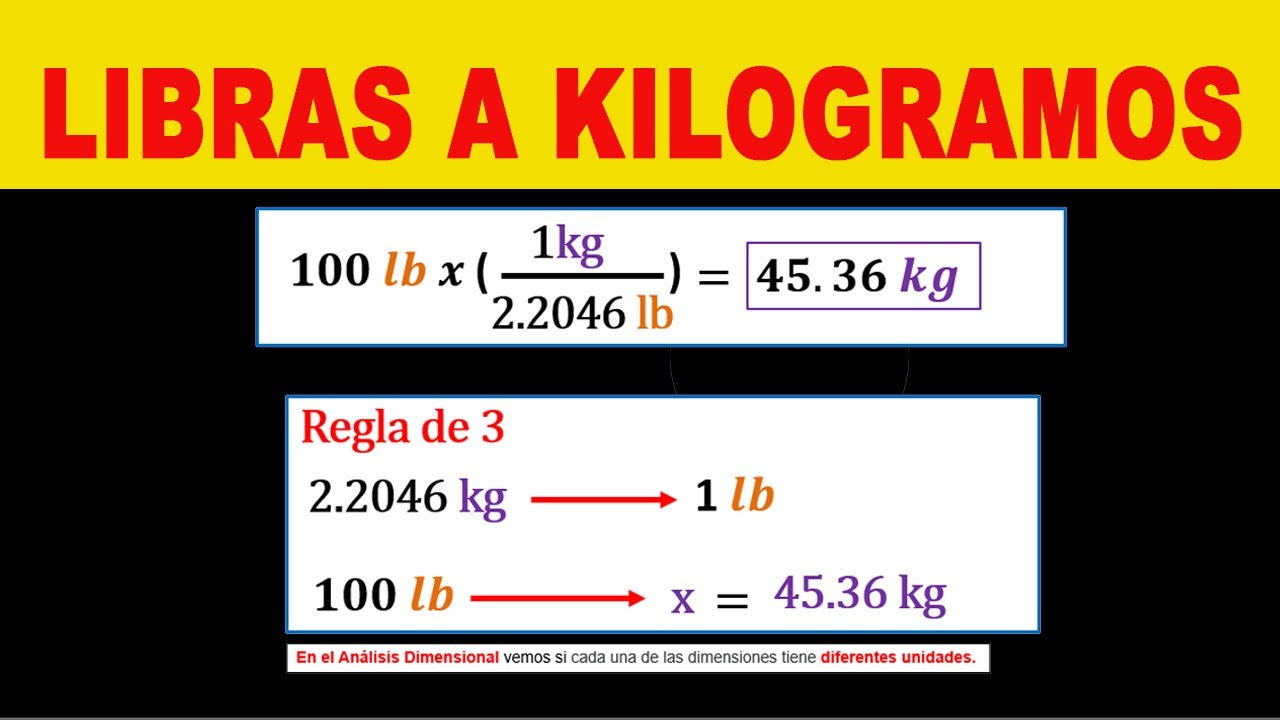
But let's be real, remembering 2.20462 is a bit… much. Unless you're a physicist or someone who enjoys memorizing random numbers, a good approximation is just 2.2 pounds per kilogram. That's close enough for most baking endeavors, and definitely close enough to impress your friends at trivia night. (Pro tip: throw it in casually during a lull in the conversation. You'll seem incredibly intelligent.)
Why the Confusion? Blame History (and Standards)
The whole pounds vs. kilograms thing is a historical quirk. Most of the world uses the metric system (kilograms, meters, liters), which is based on powers of ten and generally makes sense. The U.S., Liberia, and Myanmar (yes, Myanmar!) are the notable exceptions, clinging stubbornly to the imperial system (pounds, feet, gallons). We’re special, I guess?
The metric system was born out of the French Revolution, a time when folks were really into standardized measurements. The imperial system, on the other hand, evolved over centuries from a mishmash of ancient units. Imagine trying to explain to someone why there are 12 inches in a foot and 3 feet in a yard. It's enough to make your head spin!

So, the next time you're struggling to convert weights, remember: it's not your fault. It's just the legacy of two very different systems colliding in your brain.
Quick Conversions (Because Math is Hard)
Here are a few common conversions to save you from calculator emergencies:

- 5 kg ≈ 11 lbs (Good for judging luggage weight!)
- 10 kg ≈ 22 lbs (Handy for shipping packages)
- 50 kg ≈ 110 lbs (Thinking about your own weight?)
- 100 kg ≈ 220 lbs (Okay, maybe not thinking about your own weight)
You can also use online converters – there are tons of them. Just Google "kilograms to pounds" and let the internet do the work for you. That's what I do when I'm feeling particularly lazy (which, let's be honest, is most of the time).
The Takeaway: Don't Stress the Small Stuff (Or the Heavy Stuff!)
Ultimately, whether you're baking a cake, shipping a package, or just trying to understand a recipe from another country, knowing the approximate conversion between kilograms and pounds is a useful life skill. But don't sweat the exact decimal places. Aim for 2.2, and you'll be golden.
Now, if you’ll excuse me, I think I'll go try to salvage those cake layers that may or may not have slightly burned. Wish me luck!