Cuantas Libras Equivalen A Un Kilo

Ever found yourself staring blankly at a recipe, hopelessly lost in a sea of grams when all you understand is pounds? Or maybe you're online shopping for some European goodies and need to decipher those pesky kilogram measurements? Don't worry, you're not alone! The metric system versus the imperial system – it's a tale as old as time (or at least, as old as standardized measurement).
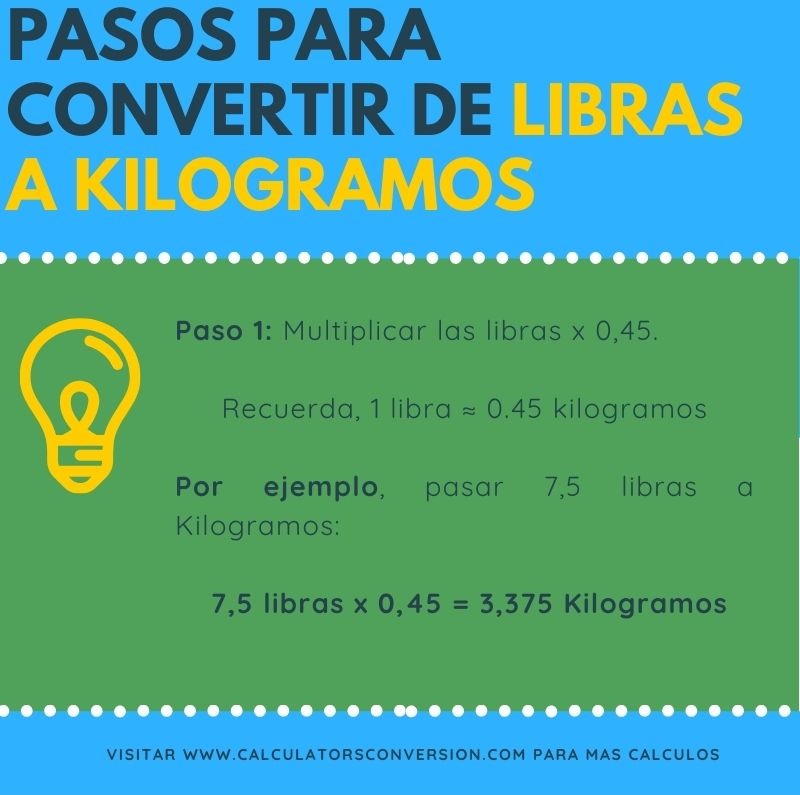
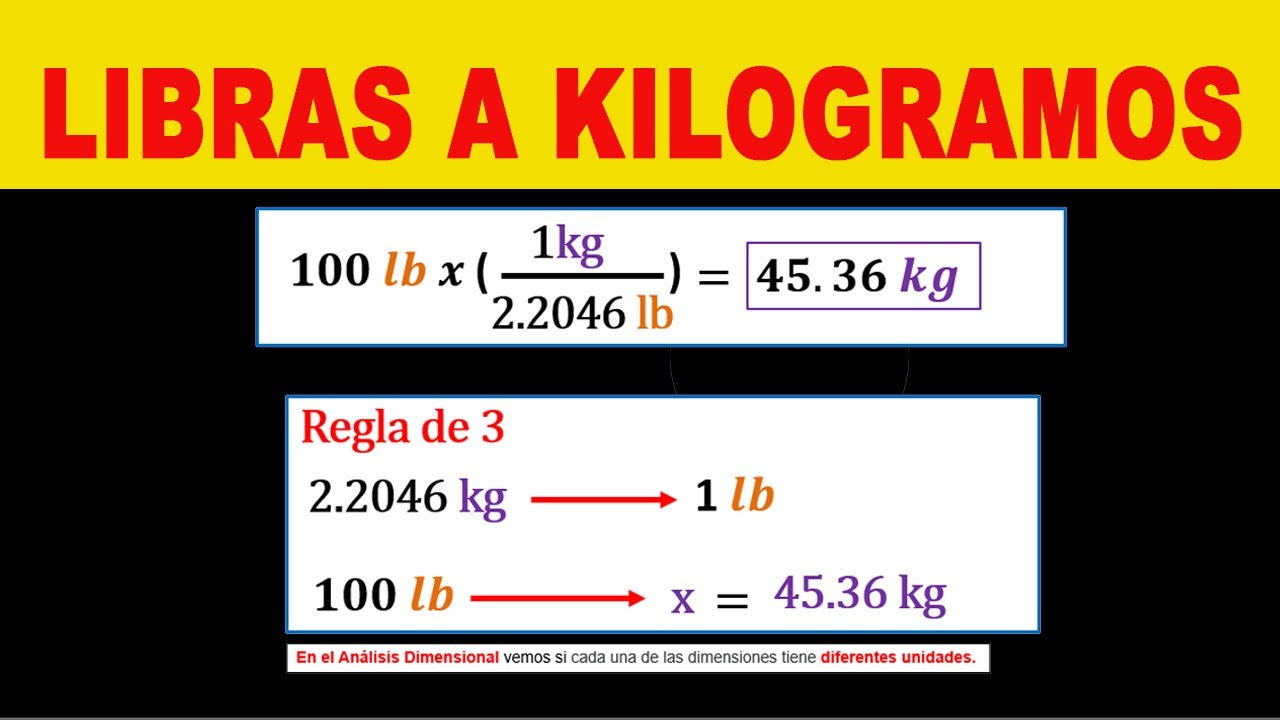
Let's dive into the nitty-gritty and demystify this whole kilo-to-pound conversion thing. The magic number you need to remember is this: One kilogram (kg) is approximately equal to 2.20462 pounds (lbs). Boom! There you have it.
The Simple Conversion: Pounds and Kilos Explained
So, how does this translate into real life? Well, imagine you're baking a delicious Argentinian alfajor, those dreamy dulce de leche sandwich cookies. The recipe calls for 500 grams of flour, but your scale only shows pounds. Fear not! Since a kilo is 1000 grams, you have half a kilo of flour. That means you need roughly 1.1 pounds of flour (0.5 kg x 2.2 lbs/kg = 1.1 lbs). Simple, right?
Must Read
Pro Tip: Rounding to 2.2 makes mental math a whole lot easier. It's not perfectly precise, but for most everyday situations, it's close enough. Think of it as the "good enough" rule of measurement!
But why all this confusion in the first place? The metric system, born out of the French Revolution's desire for logical units, is based on powers of ten. Super easy and convenient. The imperial system, on the other hand, is a bit more…historical. It's evolved over centuries and across different cultures, resulting in a somewhat quirky collection of units.
Practical Applications: From Travel to Fitness
Knowing how to convert kilos to pounds (and vice versa) comes in handy in various situations:
* Travel: Airline baggage limits are often specified in kilograms. Knowing the conversion will help you avoid those dreaded overweight baggage fees (nobody wants that!). Imagine trying to sneak an extra kilo of empanadas into your carry-on! * Shopping: Ordering products online from international retailers often requires converting kilograms to pounds. That awesome new European coffee maker? Make sure you know how much it actually weighs! * Fitness: Tracking your weight? Many scales offer both kilogram and pound measurements. It's helpful to be familiar with both, especially if you're following a fitness program with metric goals. * Cooking: While many modern recipes are adopting the metric system for accuracy, some older or regional recipes still use pounds and ounces. This knowledge is essential for successful baking and cooking.Fun Facts & Cultural Connections
Did you know that the kilogram is the only SI (International System of Units) base unit still defined by a physical object? It's a platinum-iridium cylinder stored in a vault in France. Talk about precious cargo!

In many Spanish-speaking countries, you might hear people casually using the term "libra" to refer to something that's around a pound, even if it's not perfectly precise. It's more of a colloquialism, similar to saying "a couple" when you mean "approximately two."
And here's a quirky one: The "pound" gets its abbreviation "lbs" from the Latin word "libra," which also means scales or balance. History is weird, isn't it?

Making it Stick: Simple Tricks for Remembering
Here are some tricks to help you remember the conversion:
* Visualize: Imagine a bag of sugar. A kilogram of sugar is a bit more than two of those standard-sized bags you find at the grocery store. * Association: Think of your favorite activity, like running. If you're running a 5k (5 kilometers), that's roughly 3.1 miles. You can then associate this with weights: If you are carrying 1 kilo while running, this is just a bit over 2 pounds. * Use a Conversion App: There are tons of free conversion apps available for your phone. They're perfect for quick and accurate conversions on the go.A Final Thought
Ultimately, understanding the relationship between kilograms and pounds is about more than just math. It's about connecting with different cultures, navigating a globalized world, and feeling confident in everyday situations. Whether you're deciphering a foreign recipe or preparing for an international trip, knowing the kilo-to-pound conversion empowers you to make informed decisions. So, embrace the metric system, embrace the imperial system, and most importantly, embrace the power of knowledge! Next time you need to convert, you'll be ready, armed with the confidence of knowing that a kilo is just a little over two pounds. And isn't that a weight off your mind?