
Cpt Code For Transperineal Prostate Biopsy

Okay, let's talk about something that might sound a bit intimidating: a transperineal prostate biopsy. Don't worry, we'll break it down in a way that's as easy to understand as ordering your favorite latte. And we’ll even touch on the mysterious "CPT code" involved. Think of this as your friendly guide to demystifying a common procedure.
What’s This Prostate Thing, Anyway?
First things first, the prostate. It’s a small gland, about the size of a walnut (or maybe a slightly larger walnut if you’re thinking of the fancy organic kind!), located below the bladder in men. It plays a crucial role in reproduction, contributing fluid to semen. Now, sometimes, things can go a little wonky down there, and doctors need to investigate. That’s where biopsies come in.
Why Would Someone Need a Biopsy?
Imagine you’re baking a cake. You smell something a little off. You wouldn’t just ignore it, right? You’d want to investigate! A biopsy is like taking a tiny "sample" of the prostate tissue to see what’s going on. This is usually done when there's a concern about prostate cancer, often triggered by an elevated PSA (prostate-specific antigen) level found during a routine blood test or if the doctor feels something unusual during a digital rectal exam (DRE). Think of the PSA test as the cake smelling a little off; the biopsy is the next step in figuring out if there's actually something burning.
Must Read
Transperineal: What Does That Even Mean?
Okay, "transperineal" sounds like something out of a sci-fi movie, doesn't it? But it's actually pretty straightforward. It simply means the approach the doctor uses to get to the prostate. Think of it like different routes you could take to your favorite coffee shop. The "perineum" is the area between the scrotum and the anus. So, a transperineal biopsy means the doctor inserts a needle through the skin in that area to reach the prostate and take tissue samples.
This approach has some advantages. Traditionally, biopsies were often done transrectally (through the rectum). The transperineal method generally has a lower risk of infection because it avoids going through the rectum, which naturally contains bacteria. Less risk of infection? That’s a win in anyone’s book!
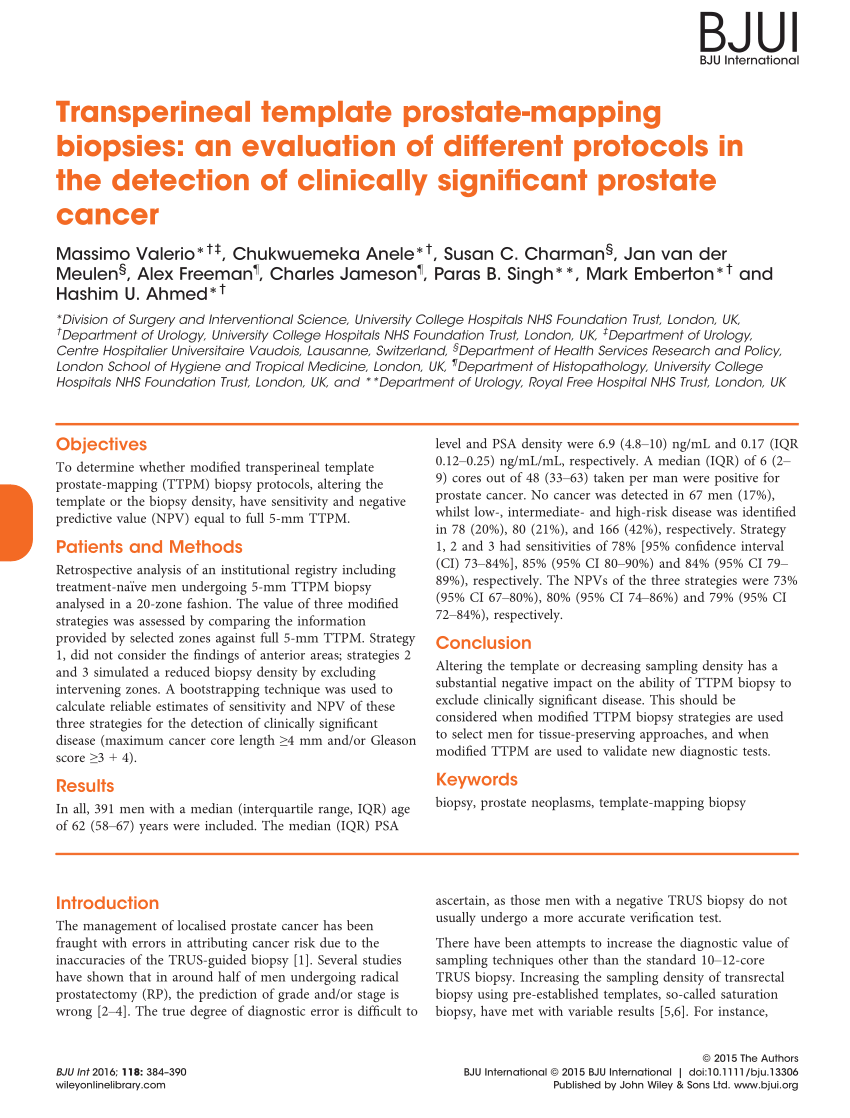
The Procedure: In a Nutshell
So, what can you expect? Typically, the procedure is done in a doctor’s office or clinic. You'll be given some local anesthesia to numb the area, so you won't feel much pain. The doctor will use ultrasound to guide the needle to the right spots in the prostate. They'll take several small samples – think of it as taste-testing different parts of the "cake" to get a complete picture. The whole process usually takes about 20-30 minutes.
Afterward, you might feel a little sore, like you've been sitting on a bike for too long. Your doctor will give you instructions on what to do and what to watch out for.
Okay, What About This "CPT Code" Thing?
Ah, yes, the mysterious CPT code! CPT stands for Current Procedural Terminology. These codes are used by doctors and hospitals to bill insurance companies for procedures and services. They're like the SKU number on a product in a store – they identify exactly what was done.

For a transperineal prostate biopsy, the main CPT code you might see is 55706 (Biopsy, prostate, needle or punch, single or multiple, any approach). However, there might be other codes involved depending on the specific circumstances. For example, if imaging guidance (like ultrasound) is used, there might be an additional code for that.
Why should you care about the CPT code? Well, knowing it helps you understand your bill and discuss it with your doctor's office or insurance company if you have any questions. It's also useful for comparing costs if you're shopping around for the best price (though remember, the expertise of the doctor is the most important factor!). Think of it as knowing the name of the ingredient you are allergic to when reading the back of the soup can.

Why Is This Important?
Prostate cancer is a common concern for men as they get older. Early detection is key to successful treatment. A transperineal prostate biopsy is a vital tool that doctors use to diagnose prostate cancer accurately. It’s not something to be scared of; it’s a way to take control of your health.
Think of it like this: you regularly check the tires on your car to make sure they're in good condition, right? You don't want to wait until you get a flat tire on the highway! Getting a prostate biopsy when recommended by your doctor is like checking your "engine" to make sure everything is running smoothly.
The Takeaway
A transperineal prostate biopsy may sound complicated, but it's a relatively straightforward and safe procedure that helps doctors diagnose prostate cancer. Knowing what to expect and understanding the CPT code empowers you to be an active participant in your health care. So, don't hesitate to ask your doctor questions, do your research, and remember: knowledge is power! And, perhaps more importantly, a proactive approach to your health can provide you with peace of mind.
