Cpt Code For Coronary Artery Disease
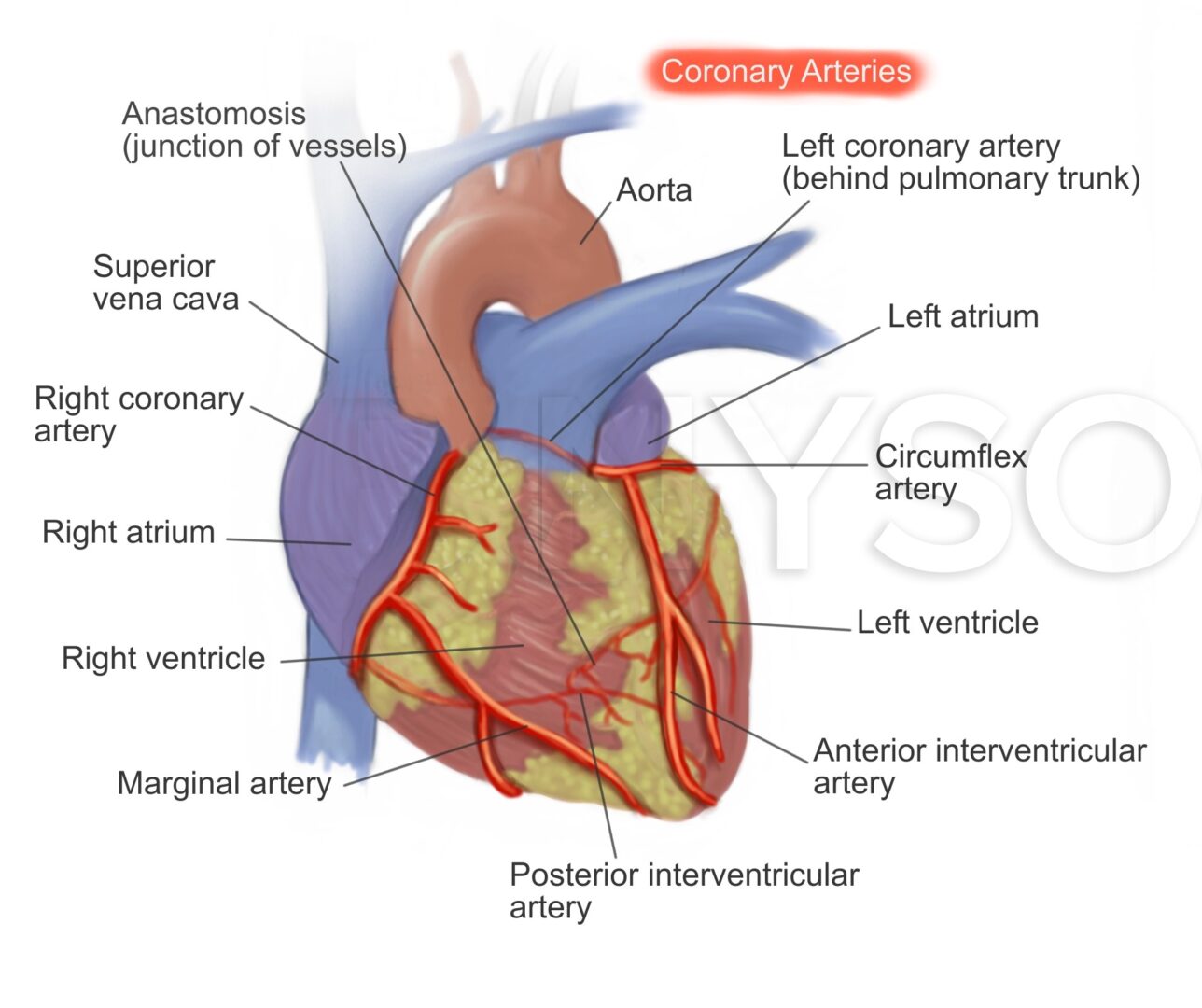
Alright, let's talk about something that sounds super complicated, but is actually pretty common: Coronary Artery Disease (CAD). Think of your arteries like highways delivering delicious, life-giving pizza (aka blood) to your heart. Now, imagine someone's been dumping grease and cheese (aka cholesterol and plaque) all over those highways for years. That's basically CAD.
So, what happens when those "pizza highways" get clogged? Well, your heart starts yelling, "Hey! I need more pizza! I'm working hard here!" It might complain with chest pain (angina), shortness of breath, or even a full-blown heart attack – like a pizza delivery truck breaking down right in the middle of rush hour.
The Code Cracking: CPT Codes
Now, where do CPT codes come in? CPT stands for Current Procedural Terminology. Think of them as secret decoder rings used by doctors and hospitals to tell insurance companies exactly what they did to fix your pizza highways. Each treatment, each test, has its own special code.
Must Read
It's like ordering from a really, really specific menu. You don't just say, "I want pizza." You have to say, "I want a large pepperoni, thin crust, CPT code 99214 with extra cheese, CPT code G0463, delivered stat, CPT code 93010... " Okay, maybe not exactly, but you get the idea.
Why are CPT codes important? Because without them, the insurance company would be like, "Fix the heart? What does that even mean? Did you just yell at it to feel better?" CPT codes provide the details needed for proper billing and reimbursement. Basically, it’s how the healthcare system gets paid for keeping your pizza highways running smoothly.

Common CAD CPT Codes: A Sneak Peek
I'm not going to bore you with a list of every single CPT code related to CAD. It's like trying to memorize every pizza topping combination – impossible! But here are a few examples to give you a feel for things:
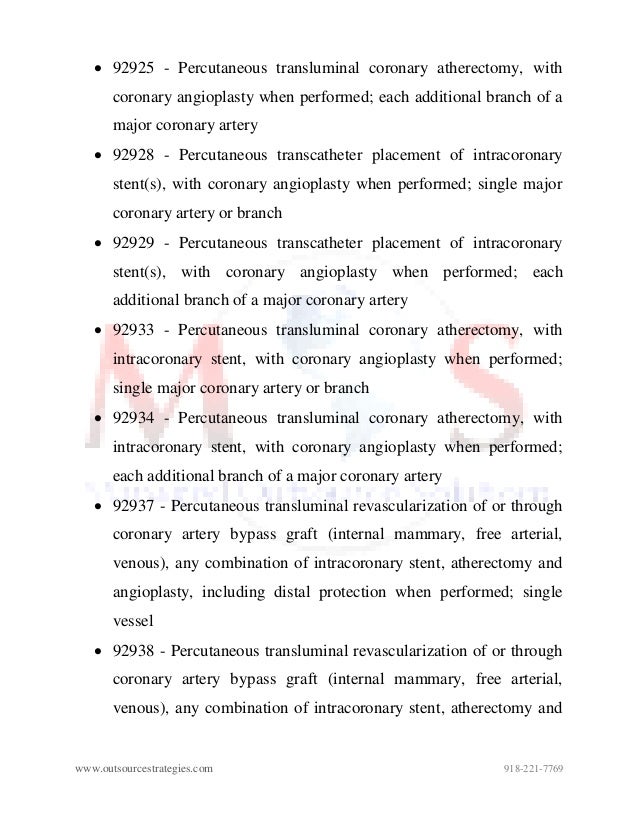
- 92920: Percutaneous transluminal coronary angioplasty (PTCA). Imagine using a tiny balloon to squish that gunk on your pizza highway wall. This is angioplasty.
- 92928: Percutaneous transcatheter placement of intracoronary stent(s). After squishing the gunk, they might put in a little mesh tube (a stent) to keep the highway open. Think of it as reinforcing the walls.
- 93010: Electrocardiogram (EKG). This is like listening to your heart engine to see if it's running smoothly or sputtering.
- 93015: Cardiovascular stress test. Basically, putting your heart engine through its paces on a treadmill to see if it can handle the pressure.
These are just a few examples, and each procedure has its own nuances, which means even more specific codes. Your doctor will know the exact codes for your specific situation.

Important Note: Don't try to diagnose yourself or use CPT codes to bargain with your doctor! Leave the code cracking to the professionals. Your job is to focus on keeping your pizza highways healthy.
Keeping Your Pizza Highways Clear
So, how do you prevent your arteries from turning into a greasy mess in the first place? You know the drill: healthy diet, regular exercise, don't smoke, and manage your stress. Think of it as regularly cleaning your pizza highways, using premium fuel, and avoiding those late-night grease fests.
And if you suspect you might have CAD, don't ignore the signs. Chest pain, shortness of breath – these are all messages from your heart begging for help. Talk to your doctor. They have the tools (and the CPT codes!) to get you back on the road to good health.
Ultimately, understanding CPT codes related to CAD isn't about becoming a billing expert. It's about being an informed patient and understanding a little bit more about the process of getting and staying healthy. So go forth, enjoy your life, and keep those pizza highways clear!