Cpp How To Traverse A Vector
Let's talk about vectors! No, not the kind you learned about in physics class, but the super-handy, data-wrangling kind found in C++. For those of us who dabble in programming, traversing a vector is like taking a pleasant stroll through a well-organized garden. Each element in the vector is a beautiful flower, and we're simply enjoying the scenery and maybe even picking a few to bring home (i.e., manipulate). It's a fundamental skill, like learning to ride a bike – once you master it, the world of programming possibilities really opens up.
So, why is this seemingly mundane activity so crucial? Well, imagine you're building a program to manage your to-do list. You need a way to store all your tasks, right? That's where vectors shine! They're essentially dynamically sized arrays, perfect for holding collections of data. Traversing this vector allows you to view, modify, or delete tasks as needed. Think about it: without the ability to go through each item in the list, you'd be stuck with a jumbled mess of uncompleted chores!
The benefits extend far beyond simple to-do lists. Consider applications like image processing, where a vector might store pixel data. By traversing the vector, you can apply filters, adjust brightness, or even detect edges. Game development also relies heavily on vectors for storing the positions of game objects. Iterating through these positions allows you to update their locations, check for collisions, and render them on the screen. Even something as simple as calculating the average of a set of numbers involves traversing a vector to access each value. These are just a few examples, and the possibilities are truly endless. It’s like having a Swiss Army knife for data manipulation!
Must Read
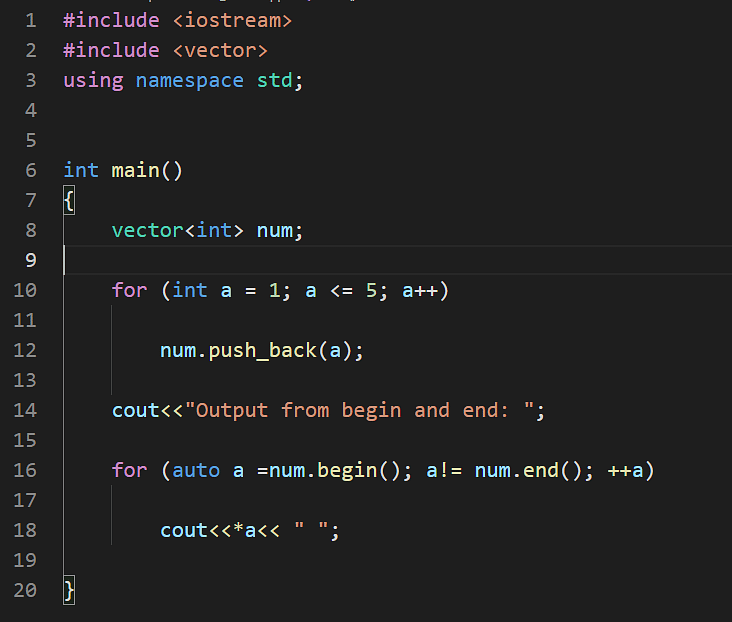
Now, let's talk about making your vector-traversing experience more enjoyable and efficient. There are several ways to skin this cat, as they say. The most basic approach is using a `for` loop with an index. This is reliable and gives you direct access to the element's position. However, it can be a bit verbose. A more elegant solution is the range-based `for` loop, introduced in C++11. This allows you to iterate directly over the elements of the vector without worrying about indices. It's cleaner, more readable, and often faster.
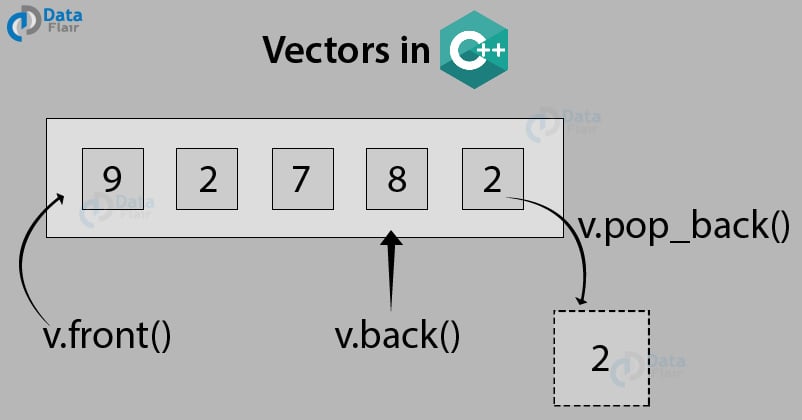
Another powerful technique involves using iterators. Iterators are like pointers that point to elements within the vector. They provide a more generic way to traverse collections and are especially useful when working with more complex data structures. Also, don't forget about the standard algorithms in the `
Finally, remember to consider the size of your vector. If you're dealing with very large vectors, performance becomes crucial. Be mindful of memory usage and avoid unnecessary copies. Using `const` references when iterating can prevent accidental modifications and improve efficiency. And most importantly, practice makes perfect! The more you traverse vectors, the more comfortable and proficient you'll become. So, dive in, explore, and enjoy the journey!