
Cost Of Solar Panels Utah

Okay, so picture this: it’s the peak of a Utah summer. The sun is blazing, the air conditioner is working overtime, and you’re just trying to keep your ice cream from melting into a puddle of sugary regret. Then, the power bill arrives. Gulp. It’s a beast. A monstrous, wallet-draining beast that makes you question all your life choices, especially the one where you decided to buy a house with a south-facing wall.
Sound familiar? Probably. We've all been there, staring at those kilowatt-hour charges and wondering if living in a cave might actually be more cost-effective.
And that’s usually when the little lightbulb (ironically, still powered by the grid) goes off: “What about solar?” You see those shiny panels popping up on roofs all over Salt Lake, Provo, St. George—you name it. They look so… responsible. So eco-friendly. So… expensive?
Must Read
Ah, yes, the age-old question that stops many a Utahn in their tracks: What’s the actual cost of solar panels in Utah? And is it even worth it? Let's dive in, shall we?
What's the Damage, Really? (Initial Investment)
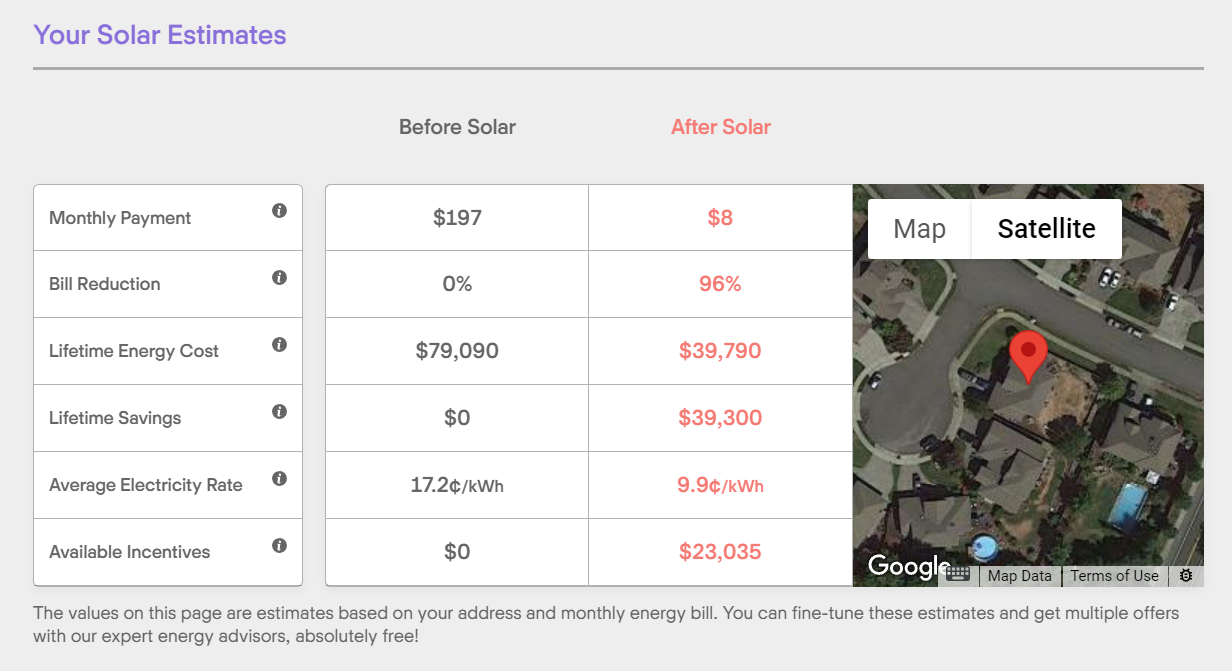
Let’s not beat around the bush. Going solar is an investment, often a significant one upfront. For a typical Utah home, a complete solar panel system can range anywhere from $15,000 to $30,000+ before any incentives. Yeah, I know, that's a number that makes your eyebrows hit your hairline.
But wait! Before you click away and resign yourself to a lifetime of monstrous power bills, remember that "before incentives" part. That's the crucial bit, my friend.
The exact cost depends on several factors, just like buying a car or renovating a kitchen. Think of it:
- System Size: How much electricity do you actually use? Bigger usage means a bigger system, which means more panels and a higher price tag.
- Panel Type and Efficiency: Are you going for top-of-the-line, super-efficient panels, or a more standard option? There's a spectrum, and your budget will dictate where you land.
- Installer: Quotes vary. Some companies offer all-inclusive packages, others might nickel-and-dime you. Getting multiple quotes is key here.
- Roof Complexity: Is your roof a simple, south-facing dream, or a patchwork of angles and shadows? More complex installations can cost a bit more in labor.
The Magic of Incentives (aka "Free Money," Kinda)
Okay, deep breath. Now for the really good news, the part that makes that initial sticker shock much, much softer. Utah, with its incredible sunshine (we average over 230 sunny days a year!), is a prime candidate for solar, and there are some serious financial motivators to help you make the leap.
First up, the big kahuna: the Federal Solar Tax Credit (ITC).
This beauty allows you to claim 30% of your solar system's cost as a tax credit. Let that sink in. If your system costs $25,000, you could get $7,500 back as a credit on your federal taxes. That's not a rebate where they send you a check; it's money you don't pay in taxes. It directly reduces your federal tax liability. Pretty sweet, right? This alone makes solar significantly more affordable.
Then, we have state-specific incentives, though these can change. Rocky Mountain Power, our primary utility, has offered various incentives over the years for customers installing solar, often on a per-kilowatt basis. These can dramatically further reduce your upfront cost. Always check their current programs!
Also, don't forget about net metering. This isn't a direct upfront cost reducer, but it's a huge benefit. When your solar panels produce more electricity than you're using, that excess power gets sent back to the grid, and Rocky Mountain Power credits you for it. This essentially turns your meter backward (figuratively speaking) and saves you a ton on your monthly bills.
So, What's the Net Cost?
After applying the 30% federal tax credit and any available state/utility incentives, that $25,000 system might effectively cost you closer to $15,000 to $20,000 (or even less!). Now we're talking.

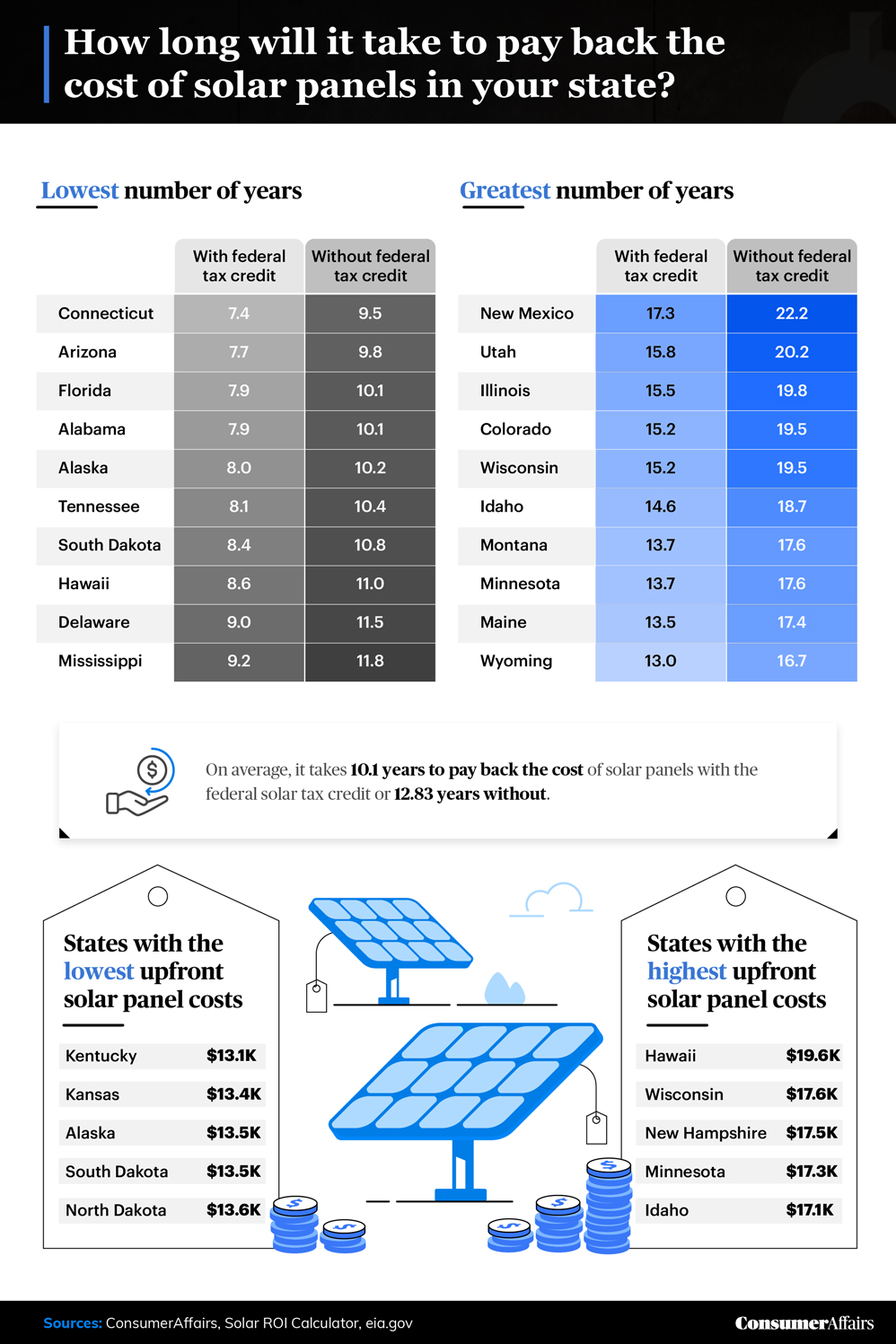
And think about the long game. You're essentially pre-paying for decades of electricity at a fixed price. Over the system's lifespan (typically 25+ years, often guaranteed), you'll likely save tens of thousands of dollars on utility bills. Most solar systems in Utah have a payback period of 5-10 years, meaning after that time, your solar power is essentially free.
Imagine getting an electric bill that's practically a friendly "hello" instead of a punch to the gut. Sounds pretty good, doesn't it?
Beyond the Price Tag: The Value
It's not just about saving money, either. Solar panels boost your home's value (without increasing your property taxes in Utah, which is a nice perk!). You're also doing your part for the environment, reducing your carbon footprint, and contributing to cleaner air in our beautiful valleys. That's something you can feel good about every single day.

Worried about financing? Many solar companies offer loan options that can keep your monthly payments similar to (or even less than!) your current power bill, meaning you can go solar with $0 down. There are also leases and Power Purchase Agreements (PPAs), though owning your system usually provides the best long-term financial benefits.
The Takeaway: Is it Worth It in Utah?
Absolutely. While the initial sticker price for solar panels in Utah can seem daunting, the generous federal tax credit, potential local incentives, and massive long-term savings make it a remarkably smart investment.
My advice? Don’t get hung up on that first big number. Get at least three quotes from reputable local installers. Ask them to break down the costs and, more importantly, the net cost after incentives. They'll walk you through the specifics for your home and your energy usage.
So, is solar expensive in Utah? Initially, yes. But with a little savvy and some help from Uncle Sam (and maybe Rocky Mountain Power), it becomes a whole lot more achievable. And let's be honest, that feeling of watching the summer sun power your entire home? Priceless.