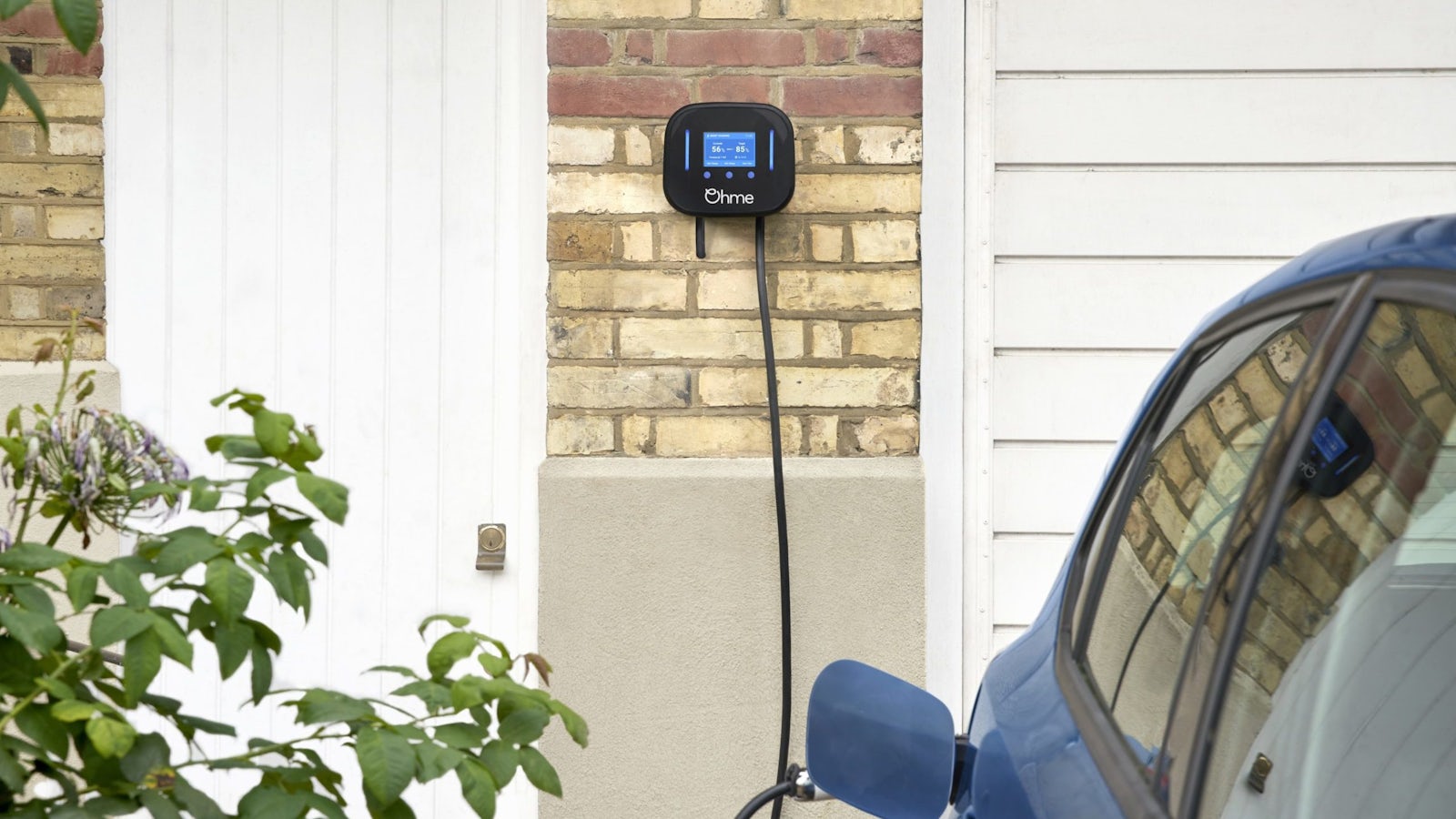
Cost Of Installing Electric Car Charger At Home

The buzz around electric vehicles (EVs) is undeniable. They’re sleek, environmentally conscious, and increasingly, they're seen as the future of transportation. But owning an EV comes with its own set of questions, the biggest one often being: How much does it really cost to install an electric car charger at home? It’s a concern that can feel daunting, but let’s break it down in a way that's both informative and (hopefully!) inspiring.
Think of installing a home EV charger as an investment, not just in your car, but in your creative potential and overall convenience. Imagine this: you’re an artist who loves to sketch landscapes. With a fully charged EV, that secluded vista just an hour away becomes infinitely more accessible. No more range anxiety; just the open road and a fully charged battery ready to power your artistic adventures. For hobbyists, a home charger unlocks the possibility of attending weekend workshops further afield, expanding your skills and network without worrying about finding a charging station along the way. And for casual learners, access to online courses and webinars becomes even easier knowing you're contributing to a more sustainable future with every commute to the library or coffee shop.
The installation cost varies depending on several factors. The type of charger is a big one. Level 1 chargers, which plug into a standard 120V outlet, are the simplest and cheapest option, but they charge very slowly. Level 2 chargers, which require a 240V outlet (similar to what your dryer uses), offer a much faster charging speed. These typically require professional installation and electrical upgrades, impacting the overall cost. Think of it like choosing your art supplies: a simple sketchpad is cheaper than a full set of professional-grade paints, but the latter allows for much more nuanced and complex creations. Similarly, the location of your charger matters. A straightforward installation near your electrical panel will be less expensive than running wiring across your garage.
Must Read
So, how do you try this at home, so to speak? First, get multiple quotes from qualified electricians. Don’t be afraid to ask questions about the different charger types and the best placement for your needs. Next, research available rebates and incentives. Many utility companies and government programs offer financial assistance to offset the cost of installing a home charger. Finally, consider your future EV needs. Will you need a second charger someday? Planning ahead can save you money in the long run.
Ultimately, installing an EV charger at home is enjoyable because it empowers you to embrace a more sustainable lifestyle without sacrificing convenience. It allows you to take control of your charging schedule, wake up to a fully charged car every morning, and contribute to a cleaner, greener future. It's about more than just plugging in a car; it's about plugging into a community of forward-thinking individuals who are shaping the future of transportation, one charged battery at a time. And who knows, maybe the time saved skipping the gas station will give you the extra hours you need to finally finish that painting or master that new skill.