
Cost Of A Whole House Generator
Imagine this: the lights flicker, then poof! Everything goes dark. But wait, a few moments later, your home springs back to life. The fridge hums, the TV glows, and the air conditioning kicks right back on. No scrambling for flashlights, no worried sighs. Sounds like magic, right?
This isn't a fantasy; it's the everyday reality for homes equipped with a whole house generator. It's like having your own personal, on-demand power station ready to jump into action when the grid takes a nap. We're talking about ultimate comfort and convenience, a real game-changer for those unexpected blackouts.
The Star of the Show: What is This Generator Magic?
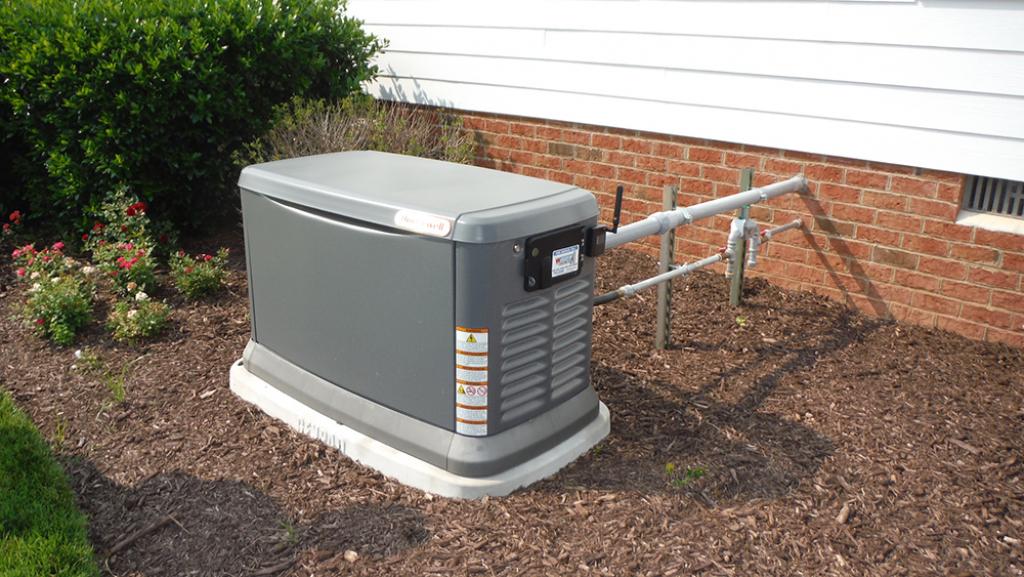
A whole house generator is a powerful appliance permanently installed outside your home. It's always connected to your electrical system and your fuel supply, usually natural gas or propane. When the main power goes out, a smart automatic transfer switch senses it and tells the generator to start up.
Must Read
Within seconds, your home is powered again, often without you even needing to lift a finger. It's a true set-it-and-forget-it solution for power outages. This amazing machine works tirelessly in the background, keeping your life running smoothly.
Unveiling the Price Tag: What's the Investment?
So, you're probably wondering about the "ticket price" for this incredible performance. The cost of a whole house generator isn't a simple, single number. It's more like planning a grand event, with several factors contributing to the final bill.
Think of it as choosing a car; there are different models, sizes, and features. However, don't let the idea of multiple factors overwhelm you. We'll break down the major components, making it all easy to understand.
"Investing in a whole house generator is investing in uninterrupted peace of mind."
The Generator Itself: Your Home's Powerhouse
First up is the generator unit itself, the main event! These come in various sizes, measured in kilowatts (kW), which determines how much power they can produce. A smaller home might need a 10kW unit, while a larger home with lots of appliances could require 20kW or even more.

Bigger generators naturally come with a higher price tag. Reputable brands like Generac, Kohler, and Cummins are popular choices, each offering different features and price points. You're looking at a range of roughly $3,000 to $10,000 for the generator unit alone.
The type of fuel it uses also plays a role. Most residential generators run on either natural gas or propane. Natural gas hookups are generally more convenient if you already have a line, while propane requires a storage tank, which adds to the initial setup cost.
The Installation Process: Building the Stage
Installing a whole house generator is a big job, not a DIY weekend project. This is where a significant portion of the cost comes in. You need qualified electricians and sometimes plumbers to ensure everything is connected safely and correctly.
The installation includes several key steps. First, an automatic transfer switch must be wired into your home's electrical panel. This smart device is what senses outages and manages the power switchover.
Next, the generator needs a sturdy, level concrete pad to sit on. Fuel lines must be run and connected safely, whether it's a natural gas line or a propane tank. All this work ensures your generator runs flawlessly and safely.
Don't forget about permits! Local regulations require permits for generator installation to ensure everything meets safety codes. These permits and inspections add a small but necessary cost to the overall project. Total installation costs can range anywhere from $4,000 to $10,000, depending on your home's unique setup and local labor rates.

Fueling the Fun: Keeping the Power On
Once your generator is installed, you need to think about its fuel supply. If you're using natural gas, the good news is that it's usually piped directly to your home, offering an unlimited supply. There are no tanks to refill, which is super convenient.
For propane generators, you'll need a large propane tank installed on your property. This tank can be leased or purchased, with costs varying. Regular refills will be necessary, and the price of propane can fluctuate seasonally. Consider the initial tank setup and ongoing refill expenses.
Running a generator during an outage will, of course, consume fuel. While a small unit running for a few hours won't break the bank, longer outages will add to your utility bill. It's a small price for continuous comfort, however.
Ongoing Maintenance: Keeping the Star Polished
Just like your car, your whole house generator needs regular maintenance to stay in tip-top shape. This ensures it's always ready to perform when called upon. Think of it as its annual health check-up and tune-up.
Routine maintenance includes oil changes, filter replacements, and general inspections of all components. Many homeowners opt for annual service agreements with their installers. These agreements typically cost a few hundred dollars per year but provide immense peace of mind.

Skipping maintenance can lead to reliability issues down the line. A well-maintained generator will last longer and be far more dependable when you truly need it. It's a small recurring cost for long-term security.
"Regular check-ups mean your generator is always ready for its big moment."
Potential Extras: The Supporting Cast
Sometimes, a few extra considerations can pop up during the installation process. These are like optional upgrades that might be necessary or simply make the experience even better. For example, some generators can be a bit noisy when running.
If noise is a concern, you might consider sound attenuation enclosures. These special covers help reduce the operating sound, making your generator a quieter neighbor. Also, if your electrical panel is old or not up to code, an upgrade might be required, adding to the expense.
Tricky installation locations, like areas requiring extensive trenching or complicated wiring runs, can also increase labor costs. Always get a detailed quote that outlines all potential extra charges to avoid surprises.
The True Value: Beyond Just the Dollars
When you add up all the potential costs – the unit, installation, fuel, and maintenance – the total investment for a whole house generator can range from $7,000 to $20,000 or more. That's a significant figure, for sure!

But let's look beyond the numbers. What are you truly getting for this investment? You're getting peace of mind, a feeling that's hard to put a price on. No more worrying about spoiled food in the fridge or freezer.
You're ensuring that essential medical equipment stays powered, that your family remains comfortable in extreme weather, and that you can continue working or learning from home without interruption. It means staying connected to the world when others are cut off.
A generator also protects your property from potential damage due to power loss, like burst pipes in winter. It can even boost your home's resale value, making it an attractive feature for future buyers. It's not just a purchase; it's an investment in your home's resilience and your family's comfort.
Is It Your Home's Next Big Hit?
So, is a whole house generator the right choice for you? If you've experienced frustrating power outages, or if reliable power is crucial for your lifestyle, it's definitely worth exploring. It's a proactive step towards a more secure and comfortable home.
Start by getting a few quotes from certified professionals. They can assess your home's specific needs and provide an accurate breakdown of all costs. Don't be shy about asking questions and understanding every detail.
Think of it as adding a powerful, silent guardian to your home. When the power goes out, your generator steps up, making sure your life barely skips a beat. It's truly a smart choice for modern living, offering a powerful performance every single time.