Cost Of A Kwh Of Electricity
Ah, electricity! That invisible force that makes our modern lives hum. From the satisfying click of a light switch illuminating a room, to the comforting whir of your refrigerator keeping dinner fresh, electricity is the silent hero of our daily existence. We love it for the instant gratification it offers – hot coffee in the morning, a fully charged phone, binge-watching our favorite show without a hitch. It’s more than just a utility; it’s the backbone of convenience, comfort, and endless entertainment.
Think for a moment about a world without it. A chill runs down your spine, doesn’t it? Electricity isn't just a luxury; it's a fundamental necessity. It powers our hospitals, keeps our food safe, connects us to loved ones across continents, and fuels the engines of innovation. It transforms raw ingredients into delicious meals, cleans our clothes, and provides the digital window to the world we call the internet. Simply put, modern life, as we know it, would cease to exist without the steady flow of electrons.
Its applications are myriad and touch every facet of our lives. From the humble lightbulb to the sophisticated supercomputer, electricity is at work. Our refrigerators, ovens, washing machines, and dryers are all energy guzzlers, albeit essential ones. Our TVs, gaming consoles, laptops, and smartphones rely entirely on it. Even the air we breathe, if it’s heated or cooled, is thanks to electricity powering our HVAC systems. And let's not forget the growing number of electric vehicles quietly cruising our streets!
Must Read
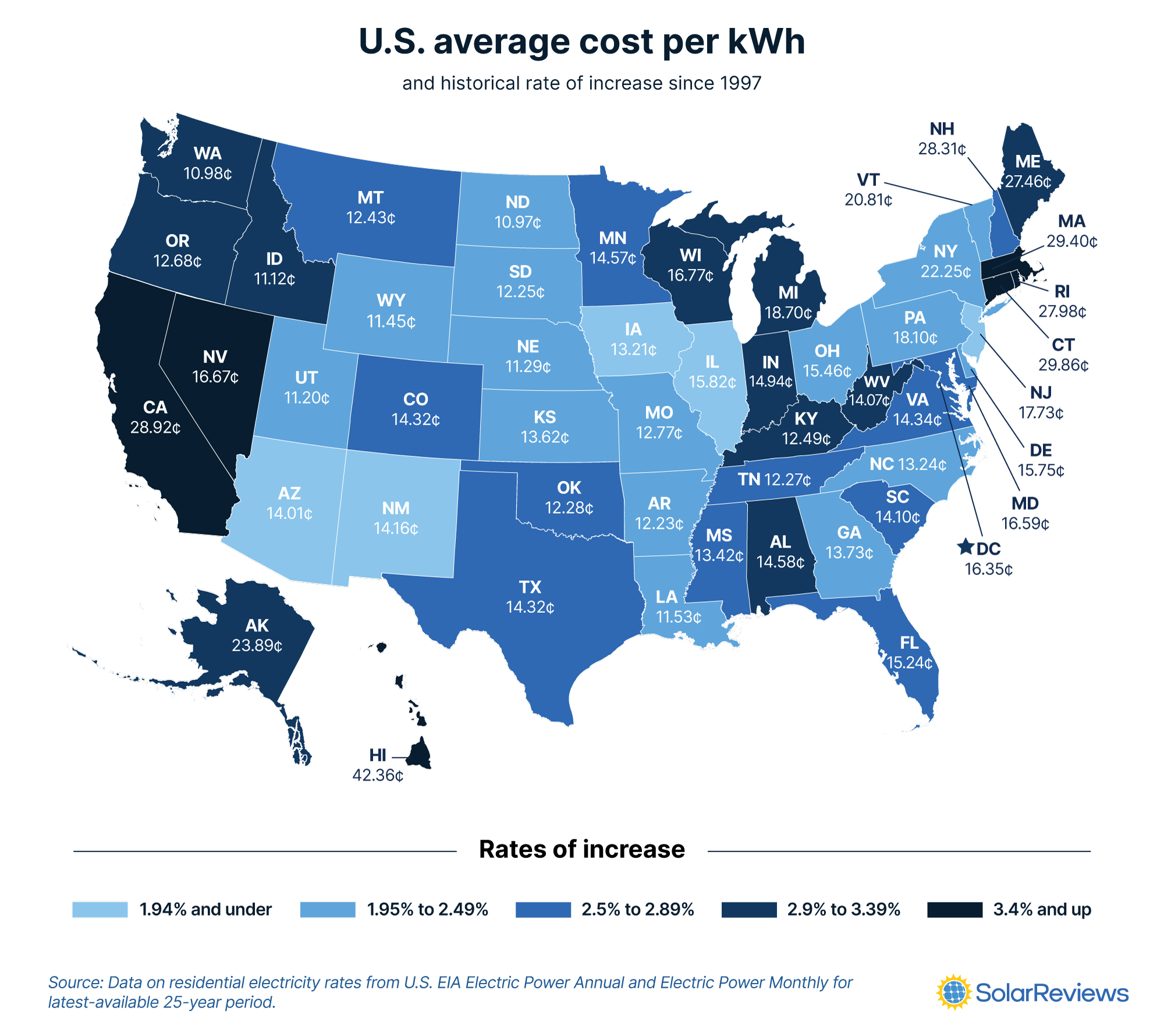
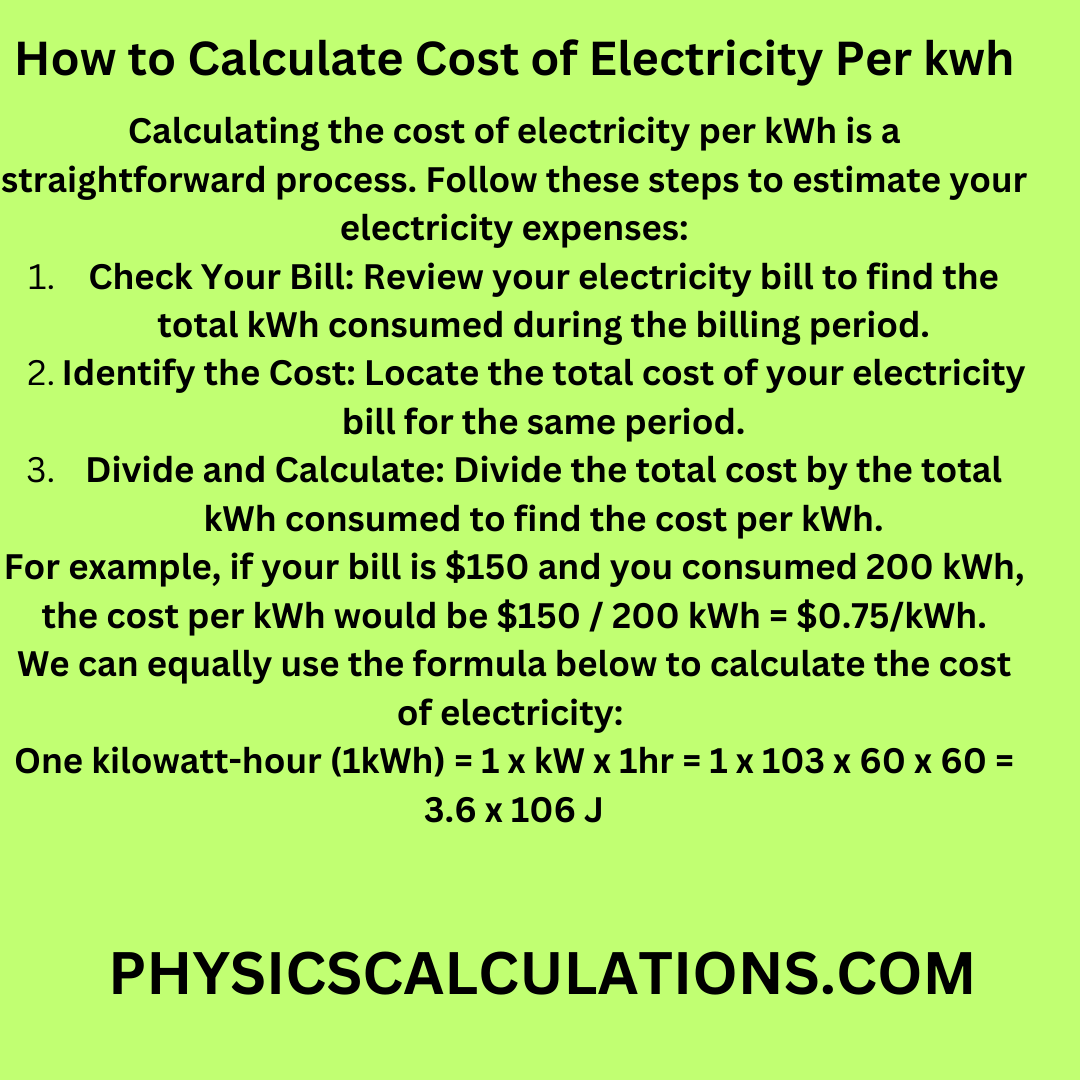
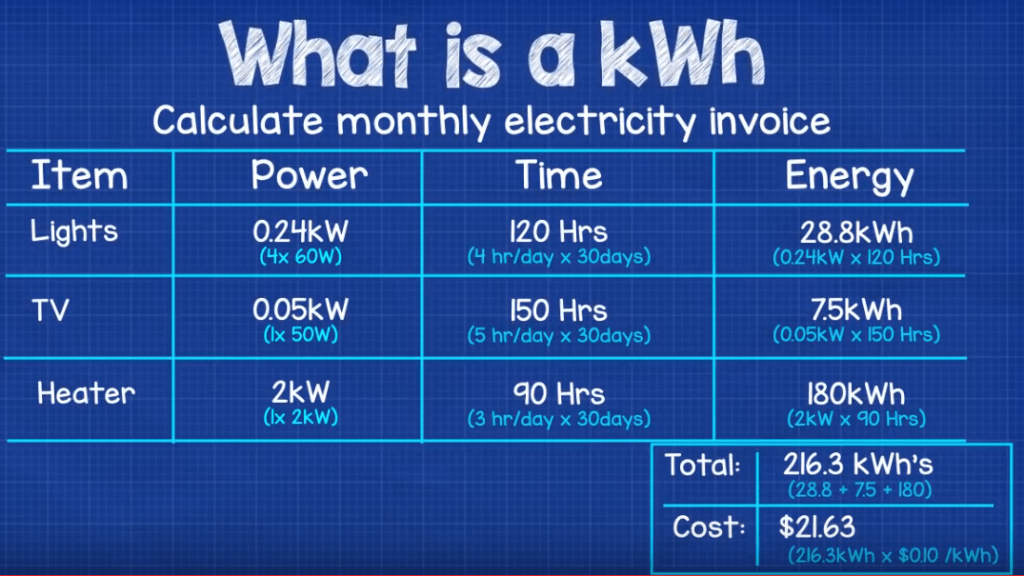
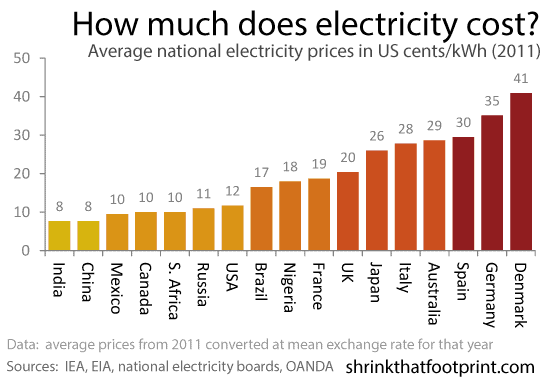
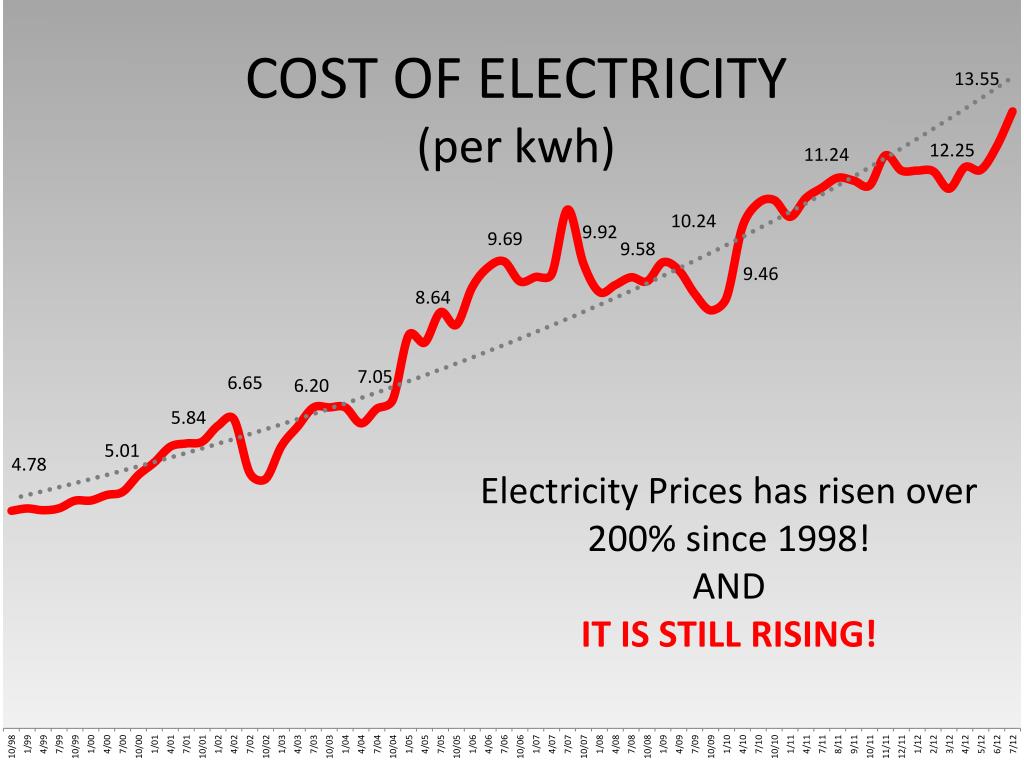
But like any good thing, electricity comes with a cost. And understanding that cost is where we unlock the secret to enjoying it more effectively. The key term here is kilowatt-hour, or kWh. This is the unit your utility company uses to measure your consumption – essentially, how much electricity you've used. Think of it like buying gasoline by the gallon; you pay a certain price per kWh.
So, how do you become a savvy electricity consumer?
- Know Your Price Per kWh: Dig out your electricity bill. Somewhere on it, often under a 'supply' or 'energy' charge, you'll find the cost per kWh. It might be a flat rate, or it could vary based on time of day (time-of-use pricing) or how much you consume (tiered pricing). Understanding this is your first step.
- Embrace Energy Efficiency: Swapping old incandescent bulbs for LEDs is a no-brainer. Look for Energy Star rated appliances when upgrading. They use less power to do the same job, saving you money every single day.
- Unplug Phantom Loads: Many electronics draw power even when turned off or in standby mode. This 'phantom load' can add up. Plug TVs, chargers, and game consoles into power strips and flip them off when not in use.
- Smart Thermostats are Your Friends: Devices like Nest or Ecobee learn your habits and optimize heating and cooling, preventing you from paying to condition an empty house.
- Strategize Heavy Usage: If you're on a time-of-use plan, run your dishwasher or washing machine during off-peak hours when electricity is cheaper.
- Insulate and Seal: Keep the expensive conditioned air inside your home! Seal drafts around windows and doors, and ensure adequate insulation in your attic and walls.
- Regular Audits: Periodically check your home for energy leaks. A quick audit can reveal simple fixes that make a big difference.
By understanding the cost of a kWh and applying these smart habits, you’re not just saving money; you’re becoming a more conscious, effective user of this incredible power. You're still enjoying all the comforts and conveniences, but now with a satisfying sense of control over your utility bill. That, friends, is true power!