
Coriander Leaves Cultivation In Karnataka
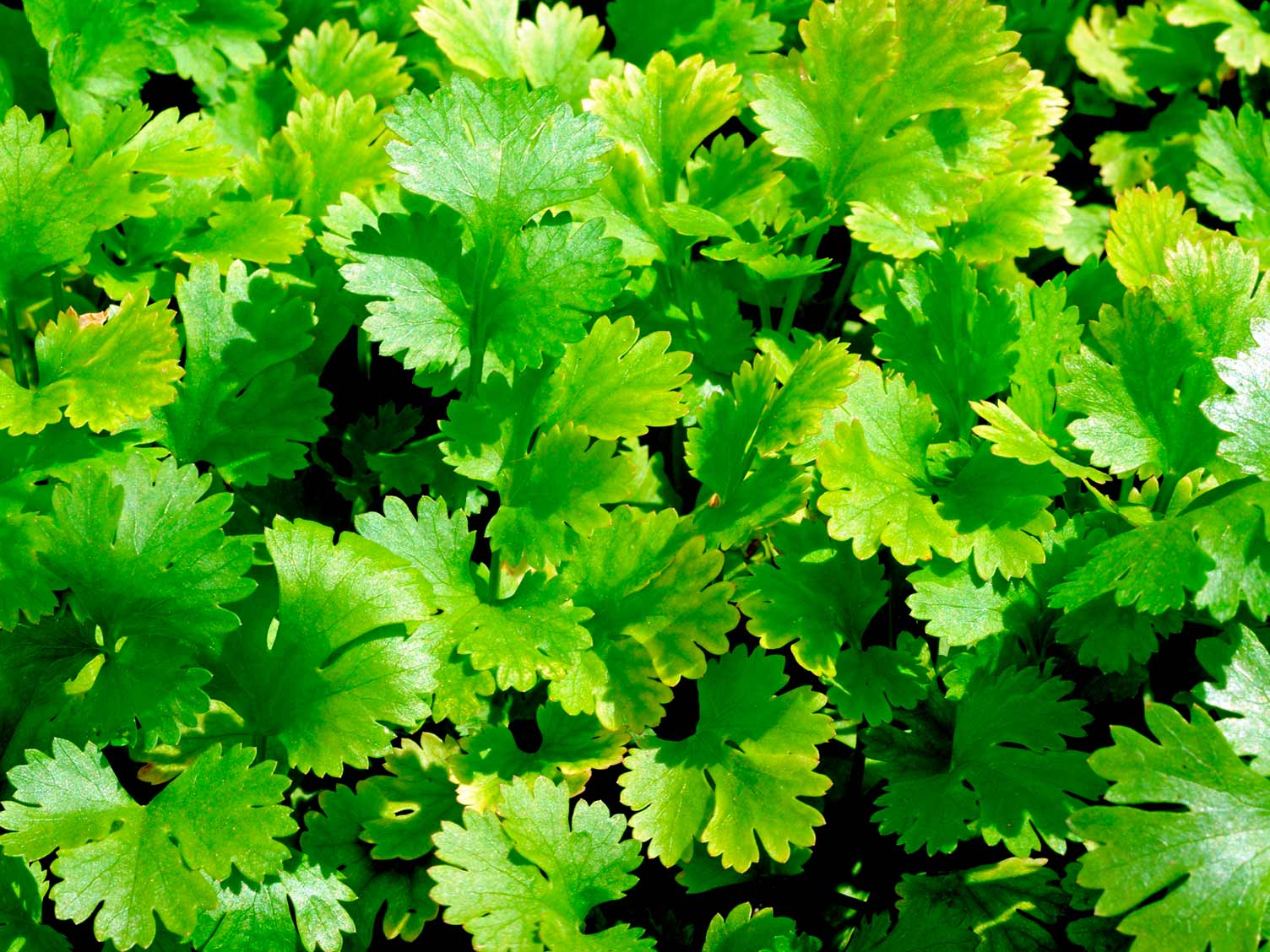
Okay, let's talk coriander. Or, as many in Karnataka fondly call it, kothambari soppu. This unassuming leafy herb is practically the mascot of South Indian kitchens. It adds that final flourish, that burst of fresh flavor, to everything from humble dal to elaborate biryanis.
A Karnataka Love Affair
You might think growing coriander is as simple as scattering some seeds and hoping for the best. Well, in theory, it is! But in Karnataka, where the climate dances from scorching summers to drenching monsoons, growing the perfect bunch of kothambari is a bit of an art form.
It's a love story, really. A story of farmers carefully tending their land, coaxing these delicate leaves from the soil, and a story of home cooks rejoicing at the sight of a fresh, vibrant bunch. We all know that feeling when you get a good haul at the market.
Must Read
The Climate Connection
Karnataka's diverse climate means coriander cultivation isn't a one-size-fits-all affair. The coastal regions, with their humidity, demand different techniques than the drier northern districts. The southern parts, blessed with moderate temperatures, offer a more forgiving environment. It's like a culinary geographical expedition!
Think of it as tailoring your gardening approach to your specific microclimate. One farmer might swear by shade netting, while another champions regular watering. They have got their own secrets and tricks, passed down through generations.
The Seeds of Success (and Sometimes, Failure!)
Let's be honest, sometimes coriander growing is a gamble. One minute you've got lush green sprouts, the next, they're bolting (going to seed) and losing their flavor. This is every gardener's nightmare, but it's also a common experience.
The key is choosing the right seed variety. Some are more resistant to bolting, while others are prized for their intense aroma. Local farmers are the best source of information on which varieties thrive in your specific area.
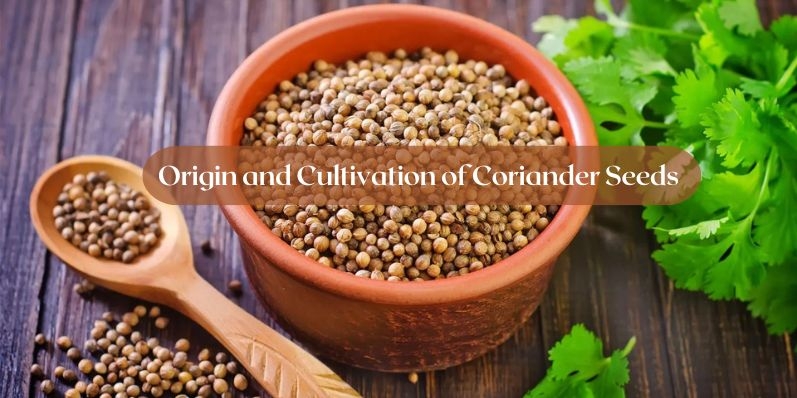
And remember, patience is a virtue. Especially when dealing with temperamental herbs! Kothambari is known to be a little finicky, and sometimes it just doesn’t want to grow.
From Farm to Plate: A Culinary Journey
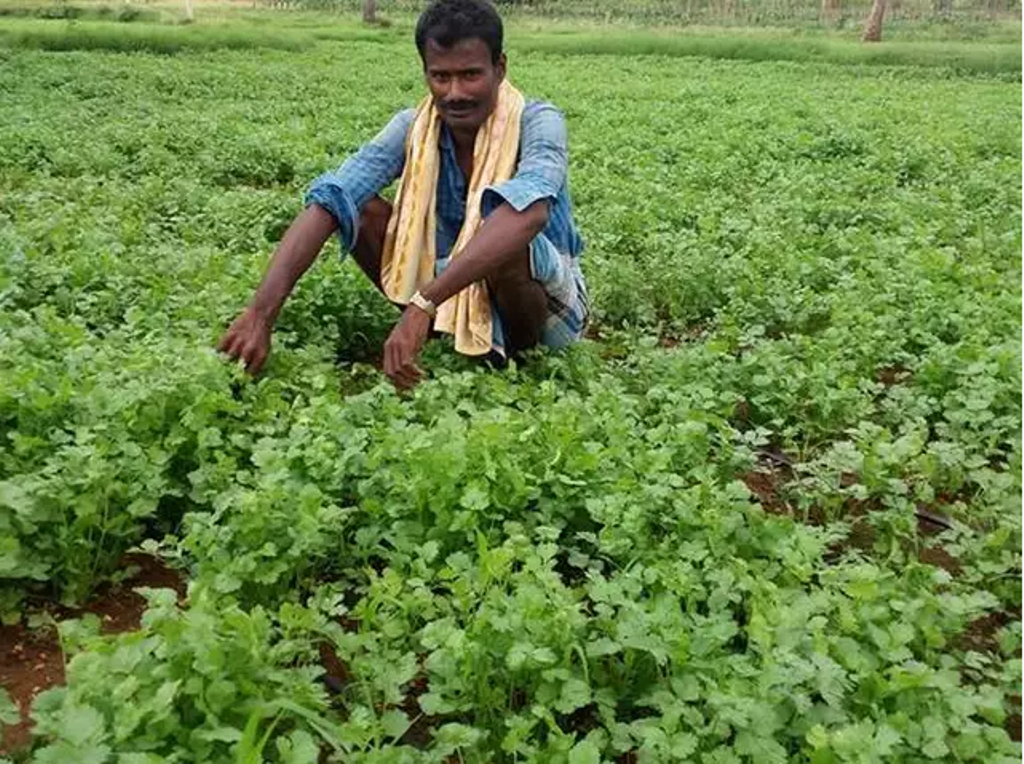
Imagine this: a farmer in a small village near Mysore carefully harvests his coriander crop. The leaves are bundled, transported to the local market, and then purchased by a home cook eager to create a delicious meal. It's a beautiful chain of events, connecting the land to our tables.
That bunch of kothambari might end up garnishing a plate of steaming bisi bele bath, adding a refreshing counterpoint to the spicy flavors. Or perhaps it will be chopped finely and stirred into a cooling raita. It’s amazing how many dishes are brought to life by this one herb.
More Than Just a Garnish
Coriander isn't just about adding flavor; it's also packed with nutrients! It’s a good source of vitamins, minerals, and antioxidants. So, you can enjoy your delicious food knowing you're also doing your body some good.

In some traditional medicine systems, coriander is even used for its potential health benefits. It's believed to aid digestion, reduce inflammation, and even lower cholesterol. A true superfood hiding in plain sight!
Tips and Tricks from Karnataka Gardens
Want to try your hand at growing your own kothambari? Here are a few tips gleaned from Karnataka gardens:
- Soak the seeds: Before planting, soak the seeds in water for 12-24 hours to improve germination.
- Well-drained soil: Coriander hates soggy feet! Ensure your soil drains well to prevent root rot.
- Partial shade: In the hotter months, provide some afternoon shade to protect the delicate leaves.
- Regular watering: Keep the soil consistently moist, but not waterlogged.
- Succession planting: Sow seeds every few weeks to ensure a continuous supply of fresh coriander.
The Hilarious Side of Coriander
Let's face it, coriander divides people. Some adore its citrusy, refreshing flavor, while others find it tastes like soap. This genetic quirk has sparked countless debates and memes!
In Karnataka, it’s not uncommon to hear someone exclaim, "Ayyo! This tastes like soap!" followed by a chorus of laughter. It’s a culinary divide that brings people together, even if they disagree on the taste of a simple herb.
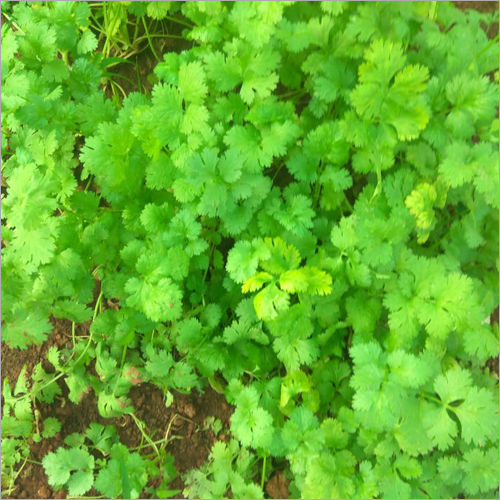
The 'soap' gene, as it is known, makes people perceive some aldehydes in coriander leaves differently. Some people are just naturally more sensitive to the aldehyde chemicals.
Growing Coriander in Pots: Urban Farming in Karnataka Style
Even if you don't have a sprawling garden, you can still enjoy fresh kothambari. Growing coriander in pots is a popular option for urban dwellers in Karnataka. A sunny balcony or windowsill is all you need to get started.
Choose a pot that's at least 6 inches deep to allow the roots to grow. Use a good quality potting mix and follow the same tips for watering and sunlight as you would for growing in the ground.
Imagine the satisfaction of snipping fresh coriander leaves right from your own balcony to add to your dinner. Urban farming at its finest!
The Future of Coriander Cultivation in Karnataka
As climate change continues to impact agriculture, farmers in Karnataka are adapting their techniques to ensure a stable supply of kothambari. This could involve adopting drought-resistant varieties, improving irrigation methods, and implementing sustainable farming practices.
Research institutions are also playing a crucial role in developing new varieties and providing farmers with the knowledge and resources they need to succeed. The future of kothambari is in everyone's hands!
Celebrating the Humble Herb
So, the next time you see a bunch of fresh coriander, take a moment to appreciate its journey from the soil to your plate. It's a symbol of Karnataka's rich agricultural heritage and a reminder of the simple pleasures of life.
It’s a tiny leaf with a big impact, a culinary ambassador, and a source of endless debate. The story of coriander in Karnataka is a story of climate, culture, and a whole lot of delicious food.
And let's be honest, who doesn't love the satisfaction of sprinkling a generous amount of fresh kothambari on their favorite dish? It's the perfect finishing touch!