
Core Stability Is Best Described As
Okay, let's talk about core stability. But not in a way that makes you feel like you're back in anatomy class. Forget flexing in the mirror (though, hey, no judgement!), and think about something way more relatable: trying to carry a mountain of groceries into the house in one trip.
You know the feeling, right? Arms loaded, plastic bags digging into your fingers, and you're desperately trying to keep everything from tumbling down like a Jenga tower in an earthquake. That, my friends, is your core in action. Not necessarily strong action, maybe more like panicked, wobbly action, but action nonetheless!
Core stability, at its heart, is basically your body's ability to maintain control and balance. It's the unsung hero working behind the scenes, preventing you from face-planting while you navigate that awkward, crowded sidewalk. Think of it as your internal scaffolding – the support system that keeps you upright and moving efficiently.
Must Read
So, What Exactly IS the "Core"?
It’s not just your six-pack (or the potential six-pack hiding under that cozy layer). Your core is a whole team of muscles working together! We're talking about your abs (of course!), your back muscles, your obliques (those side muscles that help you twist), and even your pelvic floor muscles. It's like a muscular superhero squad, each with their own special power, working together to save you from embarrassing spills and back pain.
Imagine your spine as a flagpole. Your core muscles are the ropes holding it steady. If the ropes are loose and floppy (weak core), the flagpole wobbles and might even fall over (hello, back pain!). But if the ropes are tight and strong (stable core), the flagpole stays upright, even in a strong wind (you gracefully dodging that rogue toddler in the supermarket).
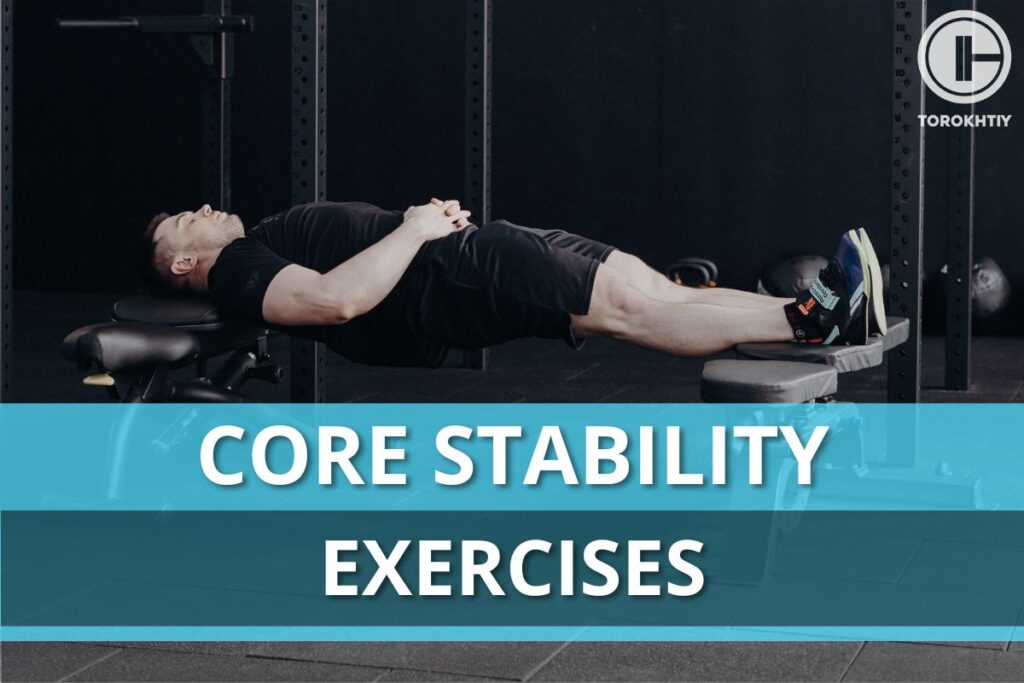
The core isn't just about strength; it's about control and coordination. You can have the strongest abs in the world, but if you don't know how to engage them properly, you're still going to feel like a wobbly inflatable tube man in a hurricane.
Core Stability in Everyday Life (Besides the Groceries)
Think about all the times you use your core without even realizing it.
- Reaching for something on a high shelf? Core.
- Picking up a heavy box? Core.
- Laughing uncontrollably at a terrible joke? Definitely core (and maybe some bladder control!).
- Even just sitting at your desk requires some level of core engagement to maintain good posture and prevent slouching.
Basically, anything that involves movement, balance, or even just resisting gravity, involves your core. It's the glue that holds everything together, the silent partner in all your daily adventures.
Why Should You Care About Core Stability?
Beyond just preventing grocery-related disasters, a strong and stable core can have a huge impact on your overall health and well-being.
Here's the deal: a stable core can:
- Reduce back pain: A strong core supports your spine and takes the pressure off your back muscles.
- Improve posture: Say goodbye to slouching! A stable core helps you stand tall and proud.
- Enhance athletic performance: Whether you're a serious athlete or just enjoy weekend walks, a strong core can improve your balance, coordination, and power.
- Make everyday activities easier: From gardening to playing with your kids, a stable core makes everything feel less strenuous.
Think of it this way: investing in your core is like investing in a really good foundation for your house. A strong foundation prevents cracks, leaks, and the whole thing from collapsing. Similarly, a stable core prevents pain, injuries, and general wobbliness.
How to Get a More Stable Core (Without Turning into a Gym Rat)
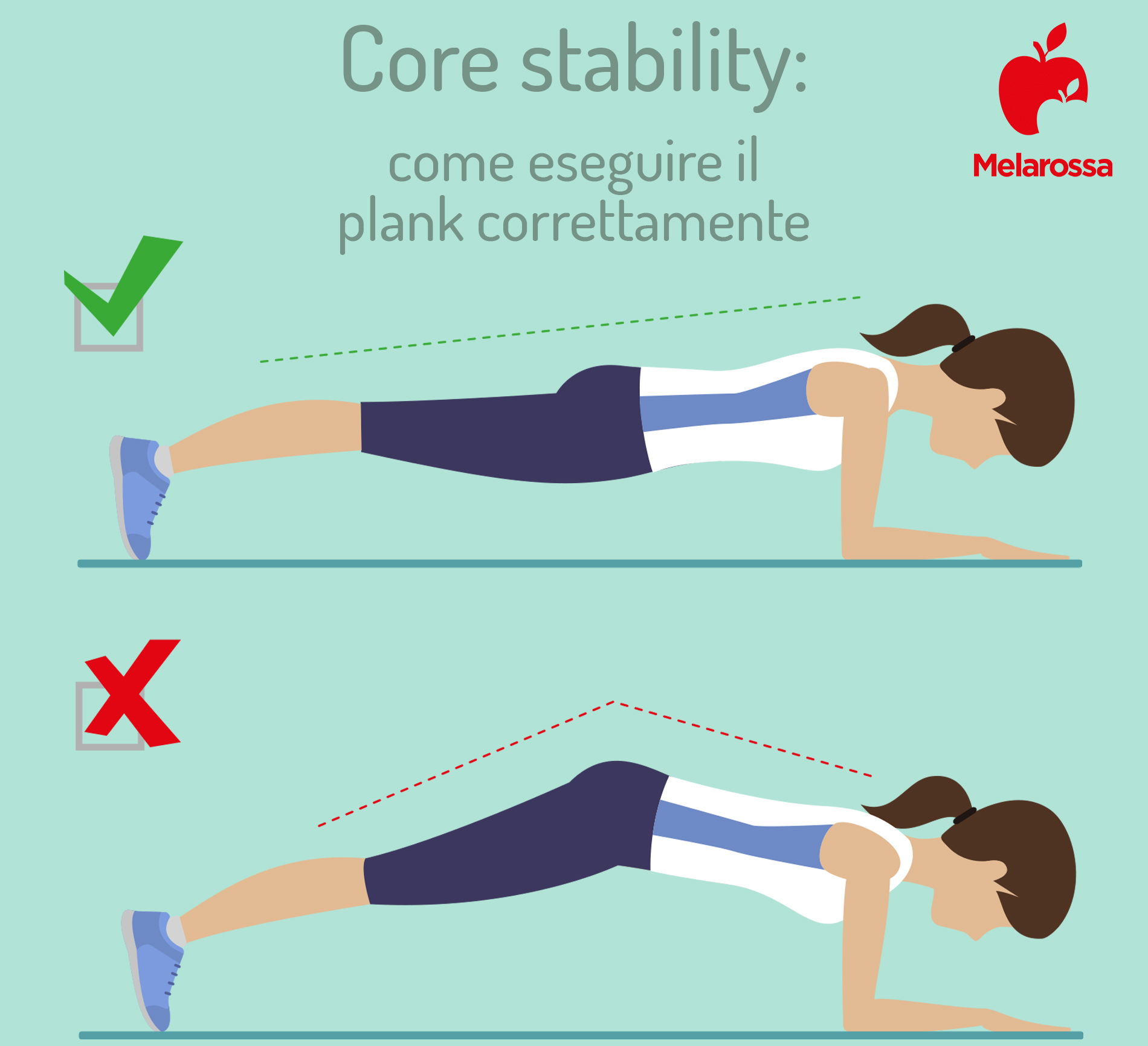
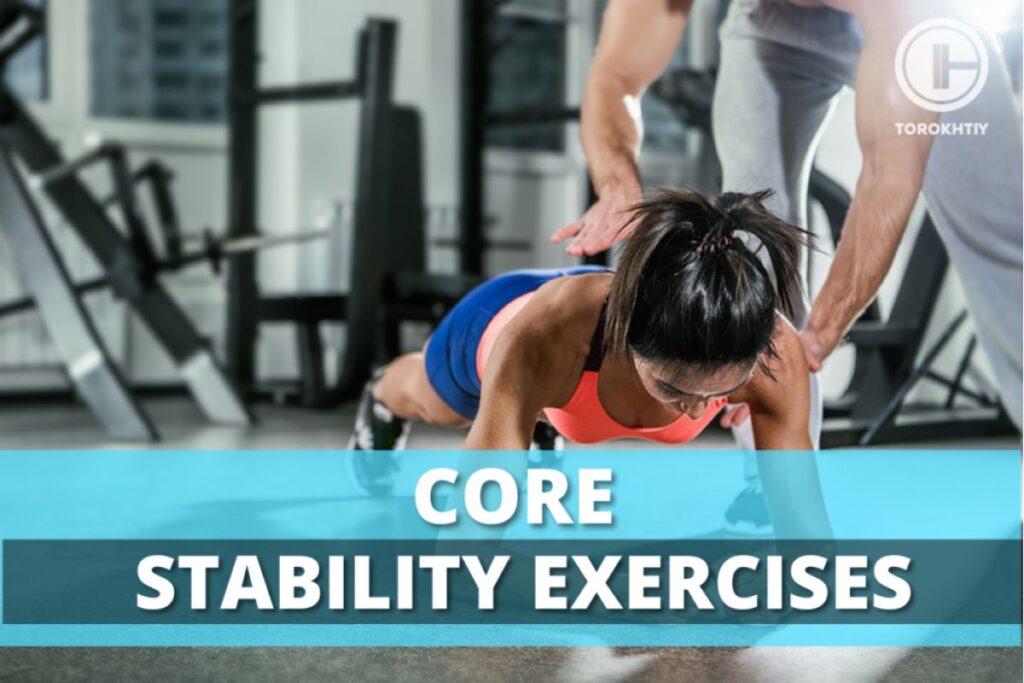
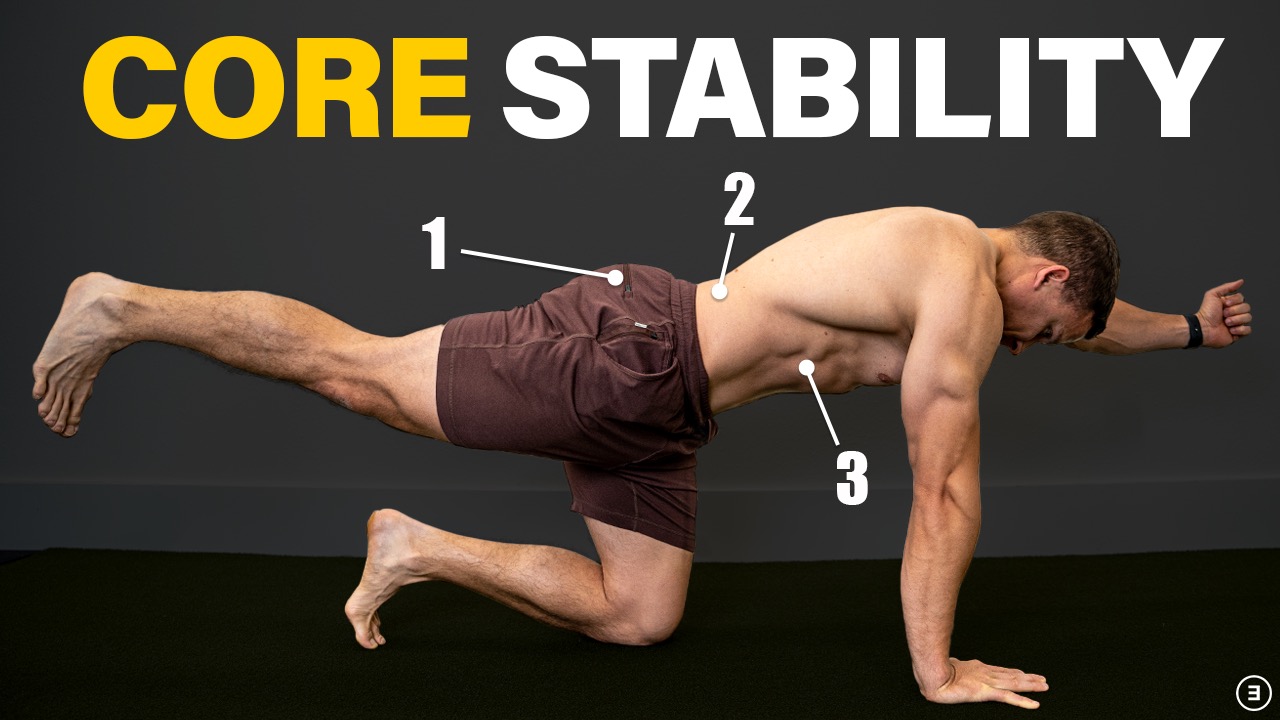
You don't need to spend hours in the gym doing endless crunches to improve your core stability. Simple exercises like planks, bird dogs, and glute bridges can make a big difference. And remember, it's about quality over quantity. Focus on engaging your core muscles properly and maintaining good form, even if you can only hold a plank for 30 seconds.
So, next time you're struggling to carry those groceries, remember this article. And maybe consider splitting the load into two trips. Your core (and your arms) will thank you for it!
