
Converse Of Isosceles Triangle Theorem
Hey there, geometry enthusiasts (and those who are just plain curious)! Ever stumbled upon a math fact that just clicks? Like, suddenly the world makes a tiny bit more sense? Today, we're diving into one of those satisfying bits of geometric goodness: the Converse of the Isosceles Triangle Theorem. Don't let the name intimidate you; it's way cooler than it sounds.
So, what's the deal? Let's break it down.
The Original Theorem: A Familiar Friend
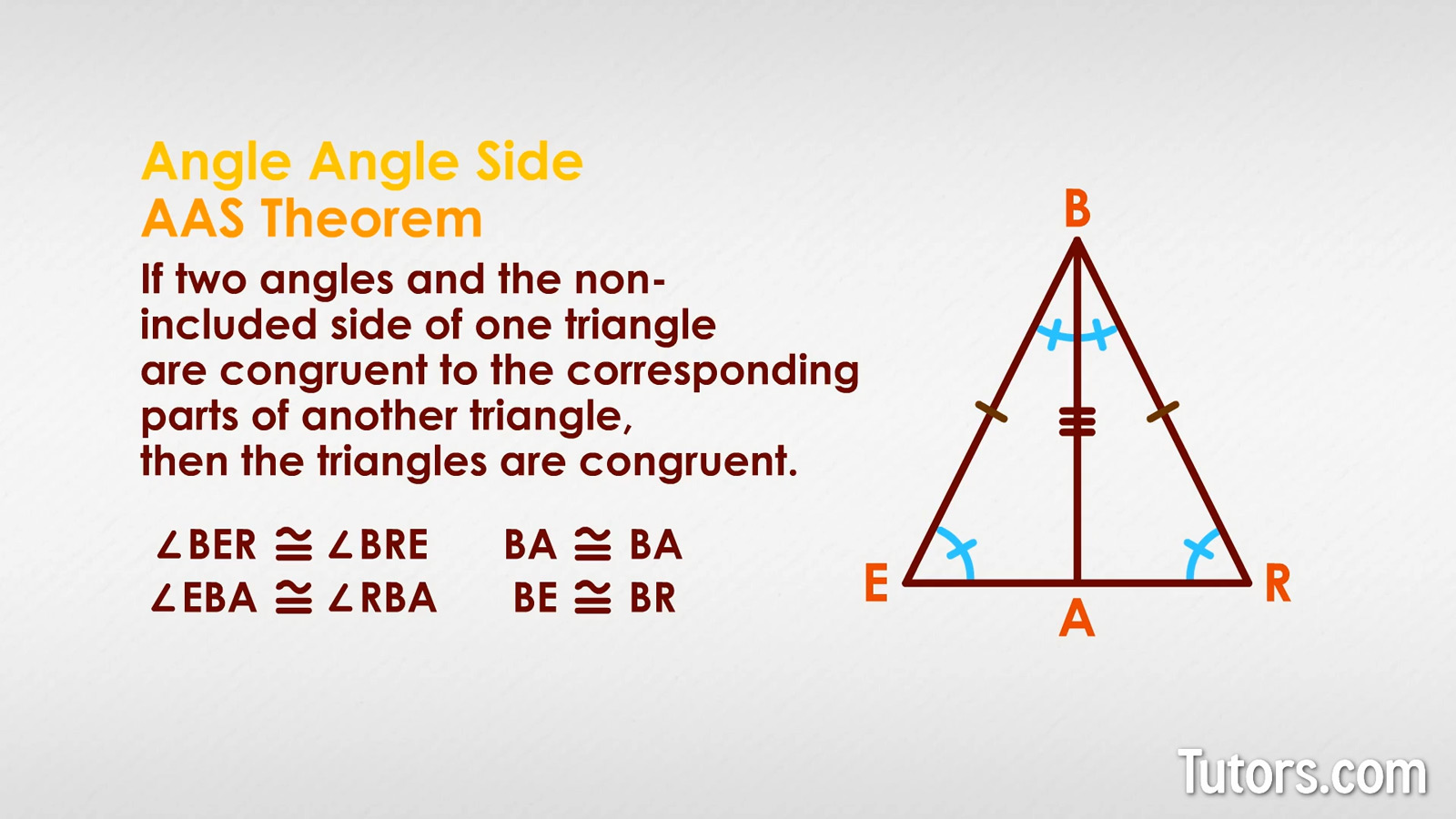
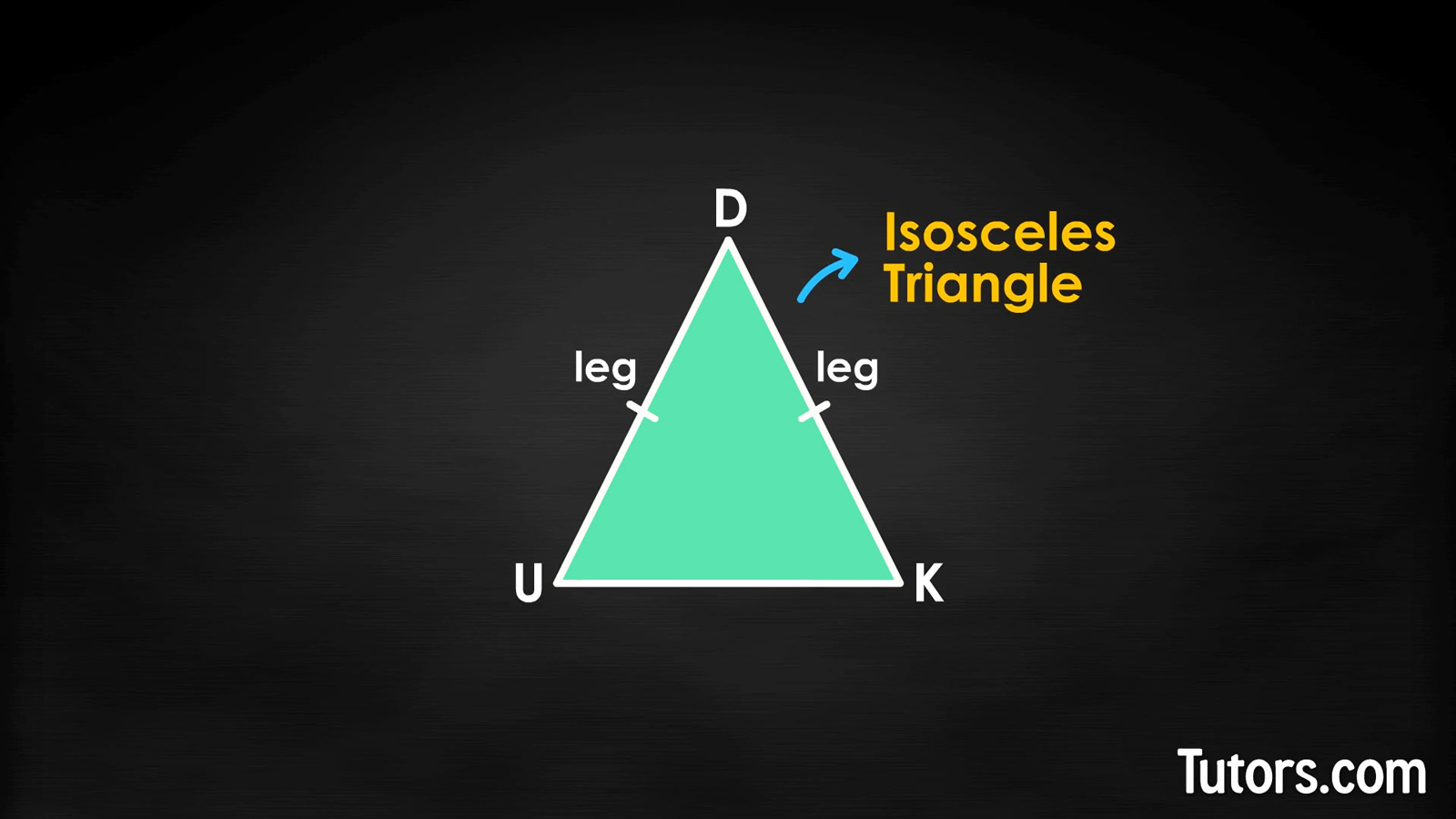
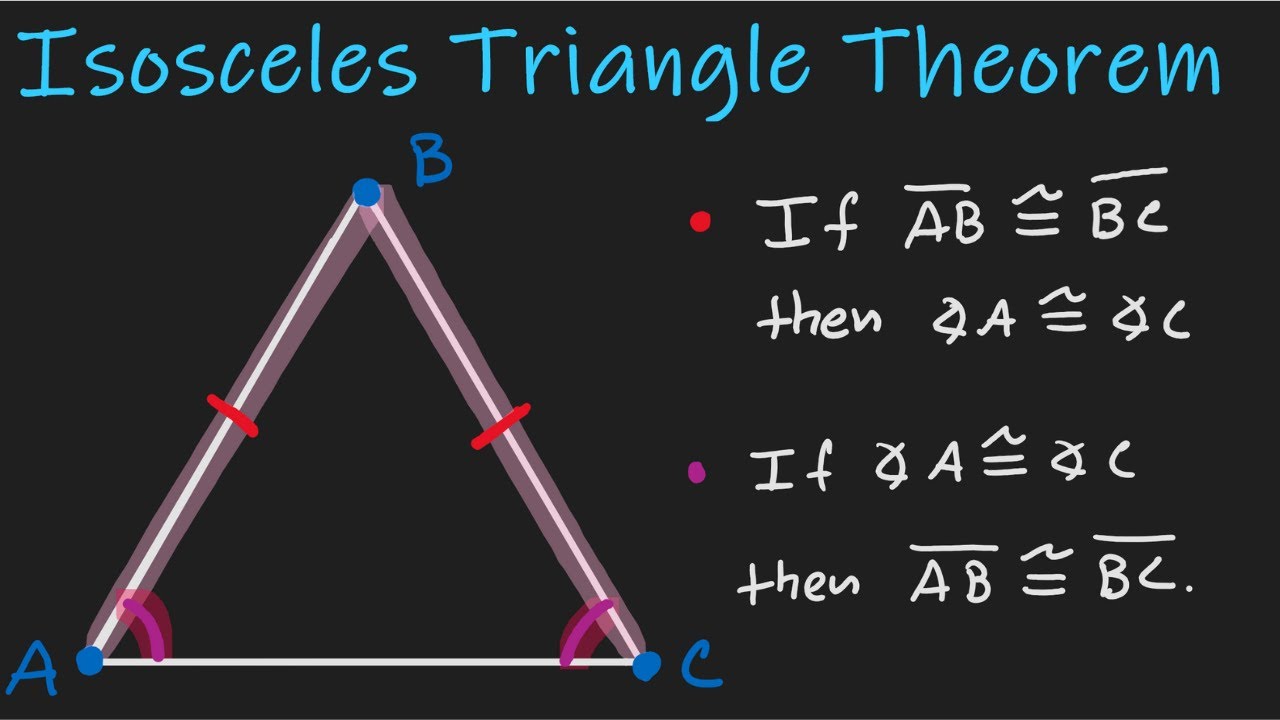
First, let's revisit the Isosceles Triangle Theorem itself. You probably remember it from school. It basically says this: If you have a triangle with two sides that are equal in length (an isosceles triangle), then the angles opposite those sides are also equal. Think of it like this: equal sides, equal opposite angles. Simple, right?
Must Read
It's like having two best friends who always do the same thing. They’re inseparable – equal sides lead to equal angles.
Flipping the Script: Enter the Converse!
Now, here's where it gets interesting. What if we flip the script? What if, instead of starting with equal sides, we start with equal angles? This is where the "converse" comes in. The converse of a theorem is basically the theorem turned around.
The Converse of the Isosceles Triangle Theorem states: If you have a triangle with two angles that are equal, then the sides opposite those angles are also equal. Booyah! Equal angles mean equal opposite sides.

See? It's not scary at all! It's just the original theorem in reverse.
Why is This So Cool?
Okay, so you might be thinking, "Alright, that's neat...but why should I care?" Good question! Here's why the Converse of the Isosceles Triangle Theorem is actually pretty darn cool:
1. Problem Solving Power: It gives you another tool in your geometry toolbox! When you're trying to solve a problem and you notice two angles are equal in a triangle, you immediately know something about the sides. You can confidently say that the sides opposite those angles are also equal. This can unlock a whole bunch of possibilities for solving the problem.
2. Proofs, Proofs, Proofs!: In geometric proofs, this converse is a lifesaver! You can use it to justify steps in your proof and make logical connections. It's like having a cheat code for geometric arguments.
3. Deeper Understanding: It helps you understand the relationship between sides and angles in triangles. It’s not just about memorizing facts; it's about grasping the underlying connections that make geometry so elegant.
4. Real-World Applications (Sort Of!): Okay, maybe you won't be using the Converse of the Isosceles Triangle Theorem to build a bridge (probably!). But understanding geometric principles helps develop critical thinking and problem-solving skills that are applicable to all sorts of real-world situations. Think of it as mental weightlifting – it strengthens your brain!
Think of it Like This...
Imagine a seesaw. If the weights on both sides are equal (equal sides), then the seesaw is balanced (equal angles). The Converse says if the seesaw is balanced (equal angles), then the weights on both sides must be equal (equal sides). See the connection?
Or picture a perfectly balanced scale. If the scale is balanced (equal angles), you know the items on each side weigh the same (equal sides). It’s all about equilibrium and relationships.
Don't Just Take My Word For It!
The best way to really appreciate the Converse of the Isosceles Triangle Theorem is to use it! Try working through some geometry problems where you can apply it. See how it helps you find solutions and connect the dots.

You can also explore online resources like Khan Academy or various geometry textbooks. There are tons of examples and explanations out there.
Final Thoughts
The Converse of the Isosceles Triangle Theorem is a simple but powerful tool in the world of geometry. It's all about understanding the relationship between sides and angles in triangles, and it can help you solve problems, write proofs, and develop a deeper appreciation for the beauty of math.
So, next time you see a triangle with equal angles, remember the Converse! You now have the power to unlock its secrets. Happy geometry-ing!
And hey, isn't it cool how flipping things around can sometimes reveal even more interesting truths?