
Consumers Energy Summer Peak Hours 2024
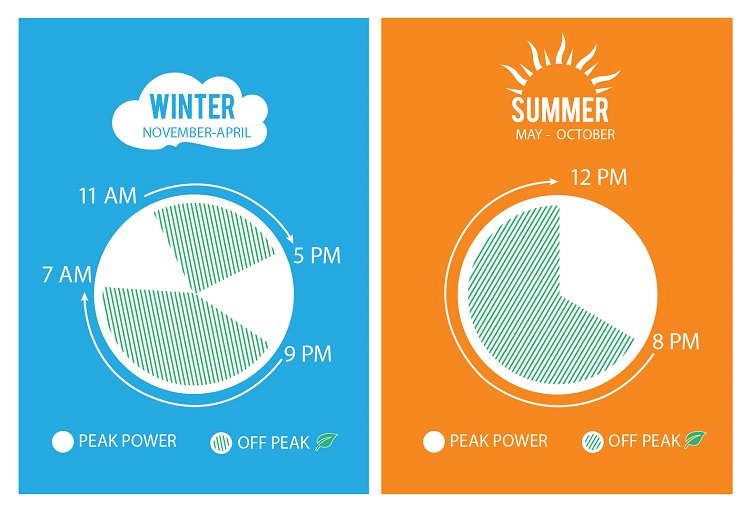
Hey everyone! Ever notice how your electricity bill seems to magically inflate during the summer months? Well, it's not magic. It's often related to something called "peak hours." And if you're a Consumers Energy customer, you'll want to know what's up with their 2024 summer peak hours. Don't worry, we'll keep it breezy!
So, what are we even talking about here? Think of it like this: your energy consumption is like rush hour on the highway. During certain times of day, everyone’s trying to get somewhere (using lots of electricity), and the system gets congested. That congestion, my friends, costs money.
Why Should I Even Care About Peak Hours?
Good question! And the answer is simple: money! Consumers Energy, like many utilities, has programs designed to manage this peak demand. Why? Because building enough power plants and infrastructure to handle the absolute highest potential load, all the time, would be incredibly expensive. And who do you think would end up paying for that? Yep, us!
Must Read
Think of it like this: would you buy a giant monster truck that can haul 20 tons of gravel if you only need to pick up a bag of groceries once a week? Probably not! It's the same idea with electricity. Avoiding peak hours is like carpooling – it's more efficient and saves everyone money.
Okay, So What Are the Consumers Energy Summer Peak Hours for 2024?
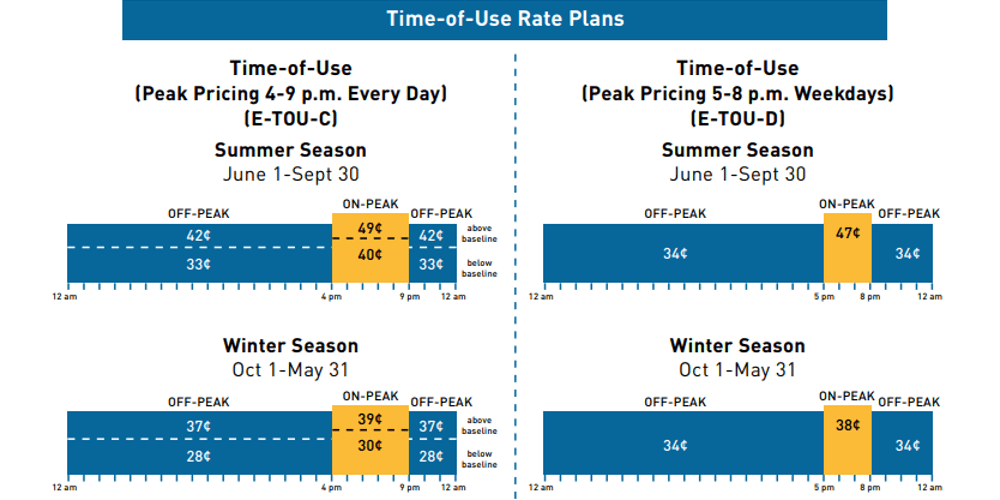
Alright, let's get down to brass tacks. For Consumers Energy, summer peak hours generally fall during the hottest part of the day when everyone's blasting their AC. While specifics can vary depending on your particular plan, the typical window to be aware of is from 2 PM to 7 PM on weekdays, June through September.
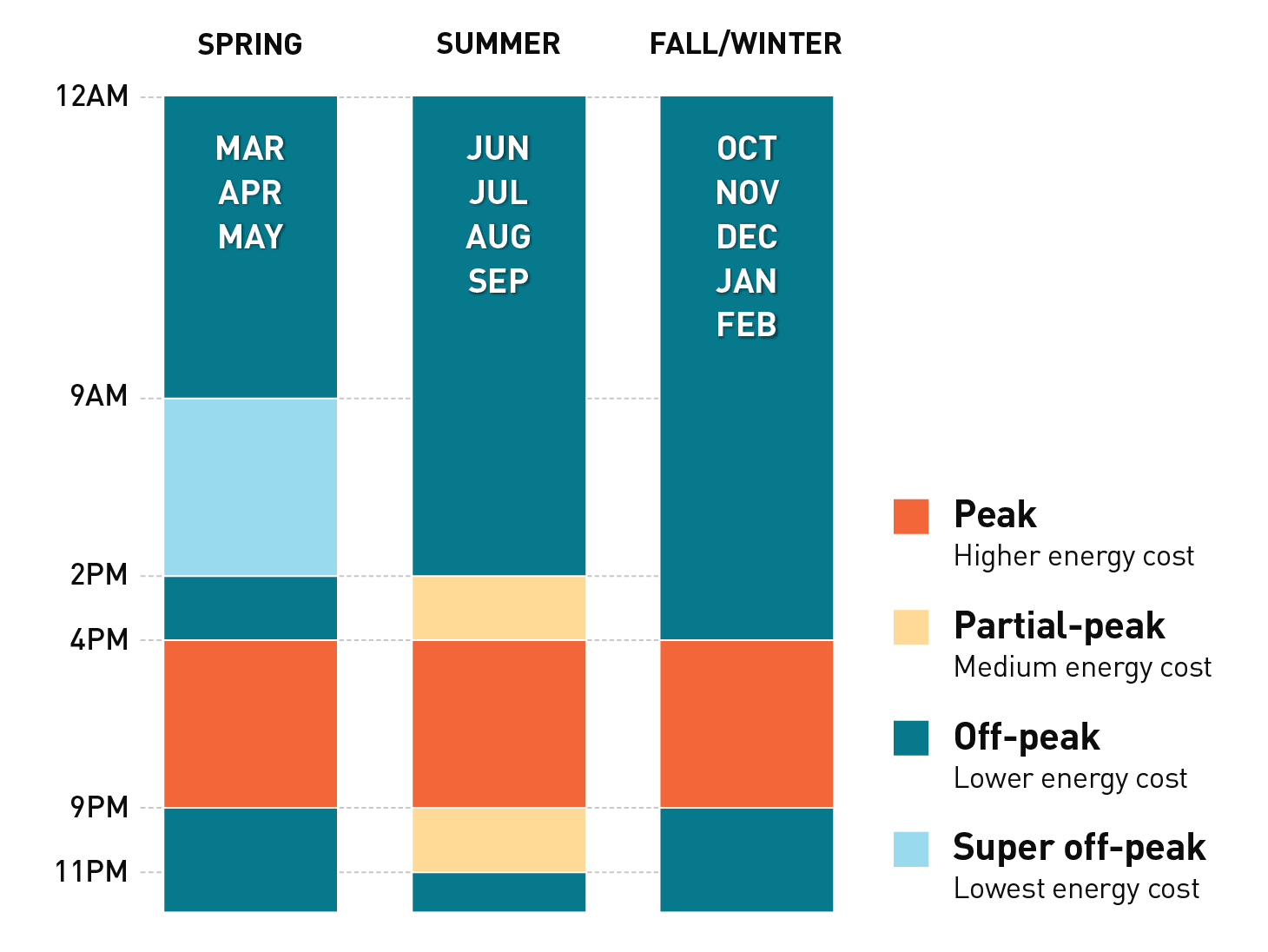
Always double-check your Consumers Energy account details or contact them directly to confirm the exact peak hours for your specific service. Seriously, do it! Don't just take my word for it – I'm just a friendly internet voice!
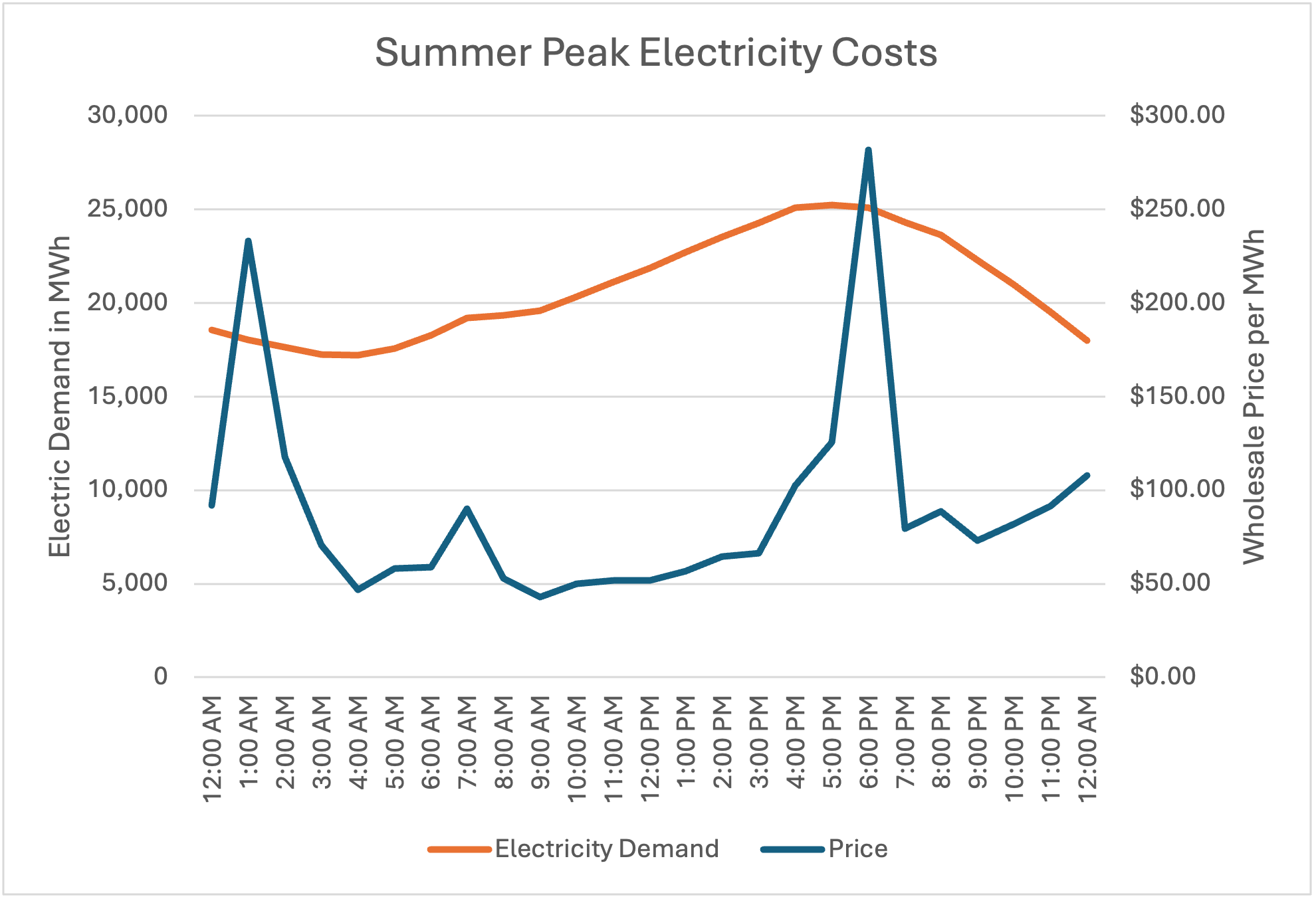
Why are those hours so important? Well, that's when demand is highest. Picture everyone coming home from work, cranking up the AC, turning on the TV, starting dinner… it all adds up! And when demand spikes, so do prices. That's where those "time-of-use" plans come in.
Time-of-Use Plans: Friend or Foe?
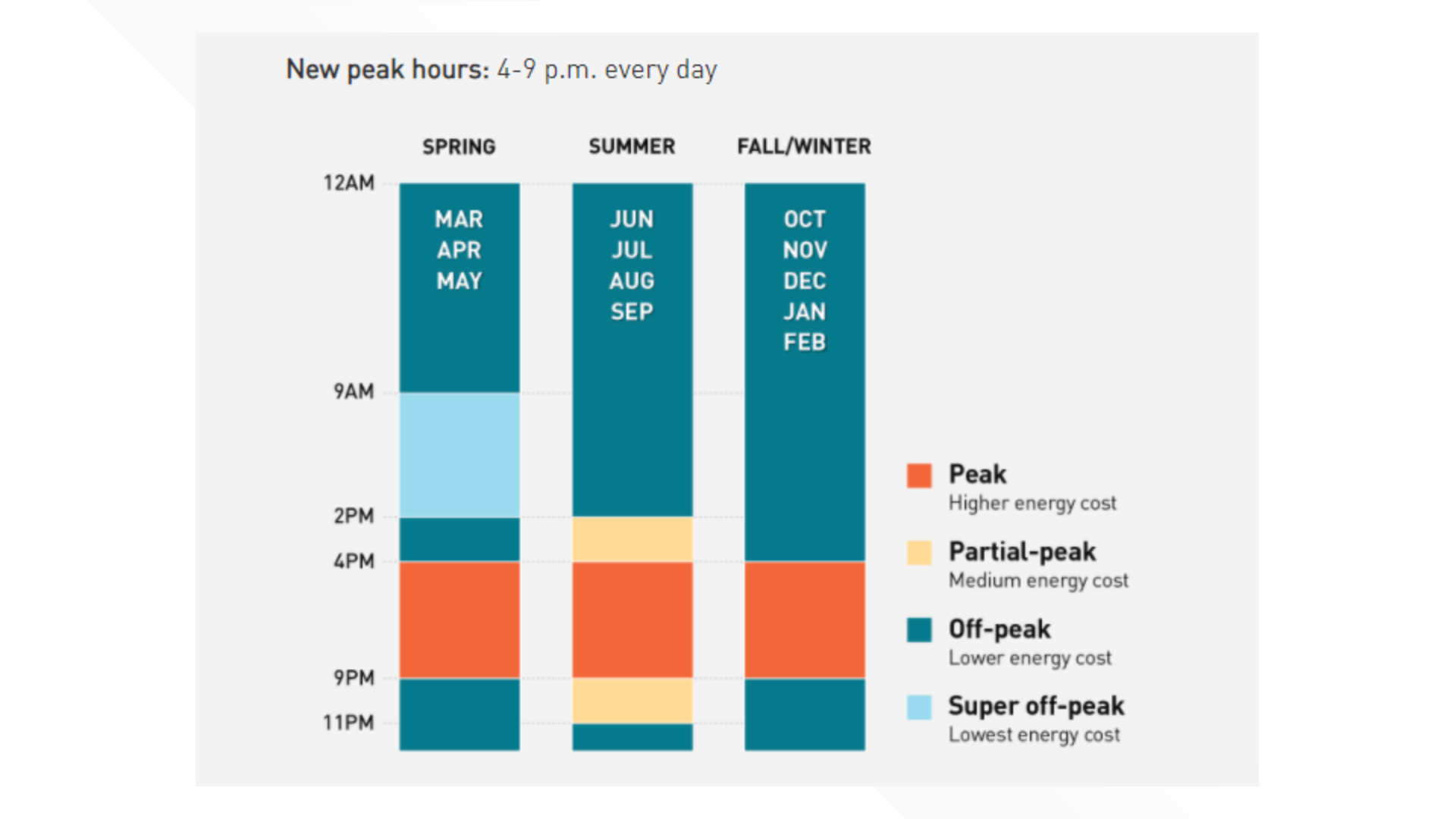
Time-of-use (TOU) plans are designed to incentivize you to shift your energy usage away from those peak hours. The idea is that electricity is cheaper during off-peak hours and more expensive during peak hours. If you can shift your energy use – running the dishwasher late at night, doing laundry on the weekends, pre-cooling your home before peak hours – you could potentially save a good chunk of change.
But are they right for everyone? That's the million-dollar question! It depends on your lifestyle and how flexible you can be with your energy consumption. If you're someone who works from home and needs to run the AC all day, every day, a TOU plan might not be the best fit. However, if you're good at planning ahead and can shift your usage, it might be a winner.
Consider this: think of TOU plans like happy hour! The same drink costs less at a certain time. Do you adjust your schedule to take advantage of the deals? It’s the same idea with electricity!
Easy Ways to Dodge the Peak Hour Bullet
Okay, so you're convinced that avoiding peak hours is a good idea. But how do you actually do it? Here are a few simple strategies:
- Embrace the Smart Home: Smart thermostats are your best friend! Program them to pre-cool your home before peak hours and then let the temperature rise slightly during the peak period.
- Shift Your Chores: Run the dishwasher, washing machine, and dryer during off-peak hours (early morning or late evening).
- Cook Smart: Use smaller appliances like microwaves or slow cookers instead of your oven during peak hours. Or even better, grill outside!
- Unplug and Unwind: Unplug electronics when they're not in use. Even in standby mode, they're still sucking up energy.
- Become a Solar Superhero: If you have solar panels, you're already ahead of the game! Generate your own power during peak hours and reduce your reliance on the grid.
And here's a bonus tip: consider investing in energy-efficient appliances. They might cost a bit more upfront, but they'll save you money in the long run.
Is It Worth the Effort?
Ultimately, whether or not you actively try to avoid peak hours is a personal decision. But understanding how peak hours work and how they affect your bill is empowering. It’s like knowing the secret ingredient in your favorite recipe. You don't have to use it, but knowing it's there gives you control.
So, this summer, take a moment to think about your energy usage. Could you shift some of your activities to off-peak hours? Could you make some small changes that could add up to big savings? It might just be the coolest (and most financially rewarding) thing you do all summer!
Stay cool, stay informed, and happy saving!