
Competitor Analysis In Usa Trucking Industry Segment Wise Report
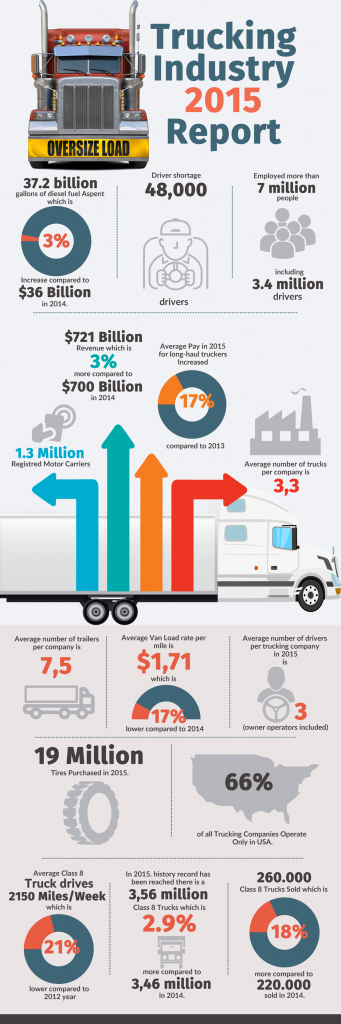
Cruising down the open road, windows down, Springsteen blasting – that's the romantic vision of trucking. But behind the wheel, it's a cutthroat business where knowing your rivals is as crucial as knowing your route. We're diving into the wild world of competitor analysis in the US trucking industry, segment by segment, to keep you from getting run over.
Why Bother with Competitor Analysis?
Think of it as your trucking industry cheat sheet. Knowing what your competitors are up to – their rates, their routes, their tech – lets you make smarter decisions. It's like watching your opponent's poker face; you're not psychic, but you can spot tells. Are they aggressively expanding in a specific region? Maybe you should look elsewhere, or gear up for a price war. Are they investing heavily in electric vehicles? Could be time to consider your own green strategy.
Practical Tip: Don't just focus on the big players. Smaller, regional carriers can be just as influential in your niche.
Must Read
Segmenting the Scene: Who's Playing Where?
The trucking industry isn't one giant monolith. It's more like a sprawling city with different districts. Understanding these "districts" – or segments – is key to laser-focused competitor analysis.
1. Truckload (TL): The Long-Haul Kings
This is where you'll find the giants, like Knight-Swift and JB Hunt, hauling full trailers of goods across state lines. Analyzing these guys means watching their capacity, their fuel surcharges, and their network density. Are they dominating specific lanes? What's their driver retention rate? High turnover can signal problems.
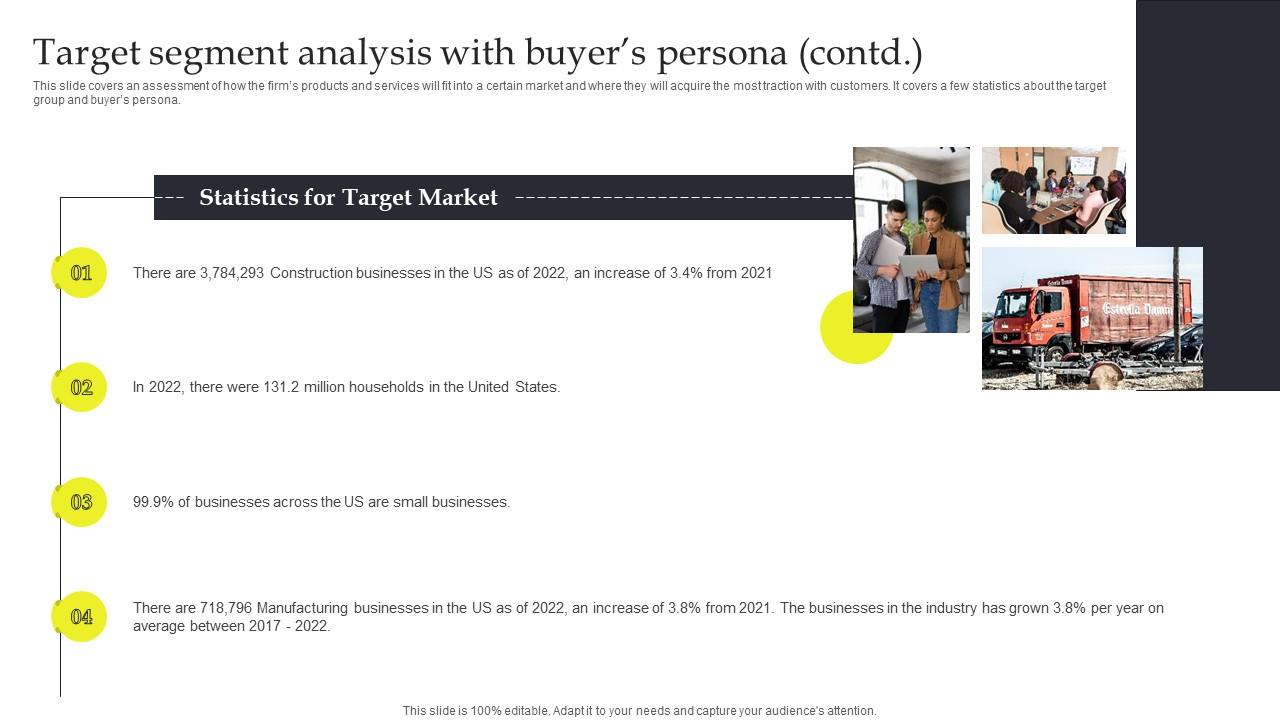
Fun Fact: The average truck driver travels approximately 125,000 miles per year. That's like driving around the Earth five times!
2. Less-Than-Truckload (LTL): The Parcel Pros
LTL carriers, such as FedEx Freight and Old Dominion, specialize in shipping smaller loads from multiple customers. Here, competitor analysis means understanding their hub-and-spoke network, their pricing models for different weight classes, and their technology for tracking shipments. Are they investing in automation in their warehouses? That could give them a significant cost advantage.
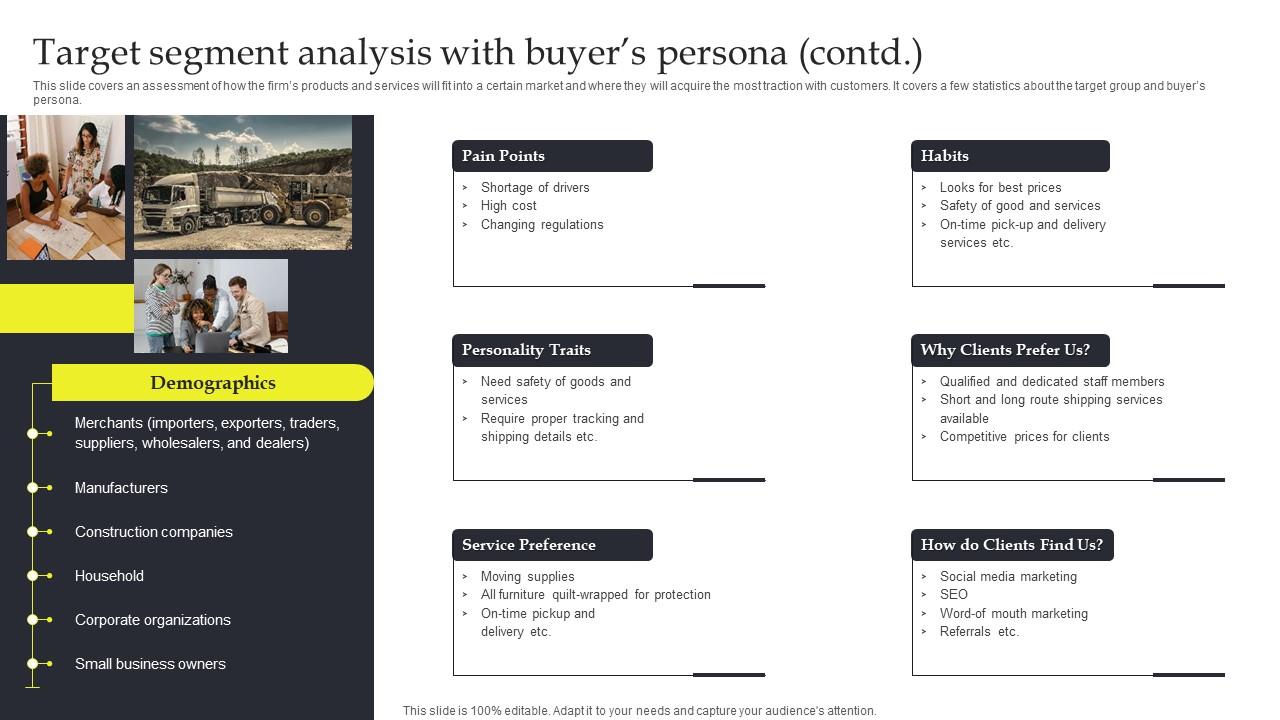
Practical Tip: Pay attention to their on-time delivery performance. It's a huge selling point for LTL customers.
3. Specialized Carriers: The Niche Navigators
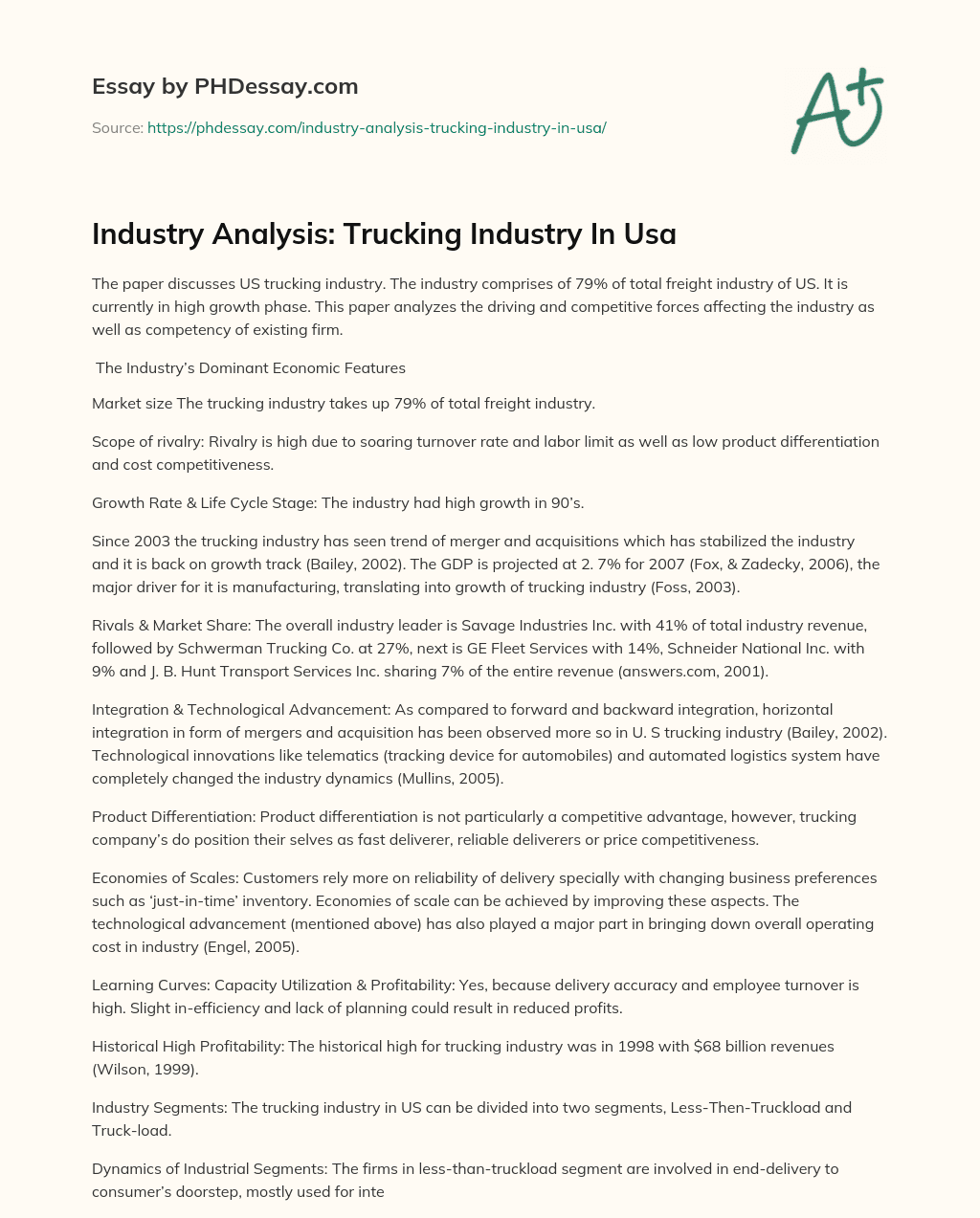
This segment is a mixed bag, from hauling hazardous materials to oversized loads. Companies in this space, like Daseke for flatbed and specialized freight, often have higher margins but also face stricter regulations and specialized equipment needs. Analyzing them involves understanding their safety records, their insurance coverage, and their expertise in handling specific types of cargo.
Cultural Reference: Ever seen "Maximum Overdrive"? While hopefully your competitors aren't killer trucks, specializing can definitely set you apart!
4. Private Fleets: The In-House Experts
Think Walmart's fleet or PepsiCo's trucks. These are companies that operate their own trucking divisions to transport their own goods. While they're not direct competitors in the traditional sense, understanding their logistics strategies can provide valuable insights into supply chain trends.
How to Conduct a Killer Competitor Analysis
Okay, you know who they are. Now, how do you analyze them? Here's the breakdown:
- Online Sleuthing: Company websites, annual reports, press releases – the internet is your friend.
- Industry Reports: DAT, Truckstop.com, and other industry sources provide valuable data.
- Social Media Monitoring: What are customers saying about your competitors?
- Networking: Talk to drivers, brokers, and other industry insiders. Information is power.
- Mystery Shopping: Get quotes and experience their service firsthand.
Practical Tip: Create a competitor profile for each major player, tracking their strengths, weaknesses, opportunities, and threats (SWOT analysis). This will help you stay organized and spot trends.
Turning Analysis into Action
All this data is useless unless you use it to improve your own business. Here are some ways to put your competitor analysis to work:
- Adjust your pricing: Stay competitive without sacrificing profitability.
- Optimize your routes: Identify underserved lanes and improve efficiency.
- Invest in technology: Stay ahead of the curve with TMS, ELD, and other tools.
- Improve customer service: Go above and beyond to build loyalty.
- Find your niche: Differentiate yourself from the competition. Be unique.
A Quick Reflection: The Road Ahead
Whether you're hauling goods across the country or navigating the daily grind, understanding the landscape is crucial. Just like a GPS helps you find the fastest route, competitor analysis provides the insights you need to stay ahead in the trucking industry – and in life. It's about being aware, adaptable, and always looking for ways to improve. So, keep your eyes on the road, your hands on the wheel, and your mind open to new possibilities. The journey awaits.