Comparing Biomass With Other Renewable Energy Sources

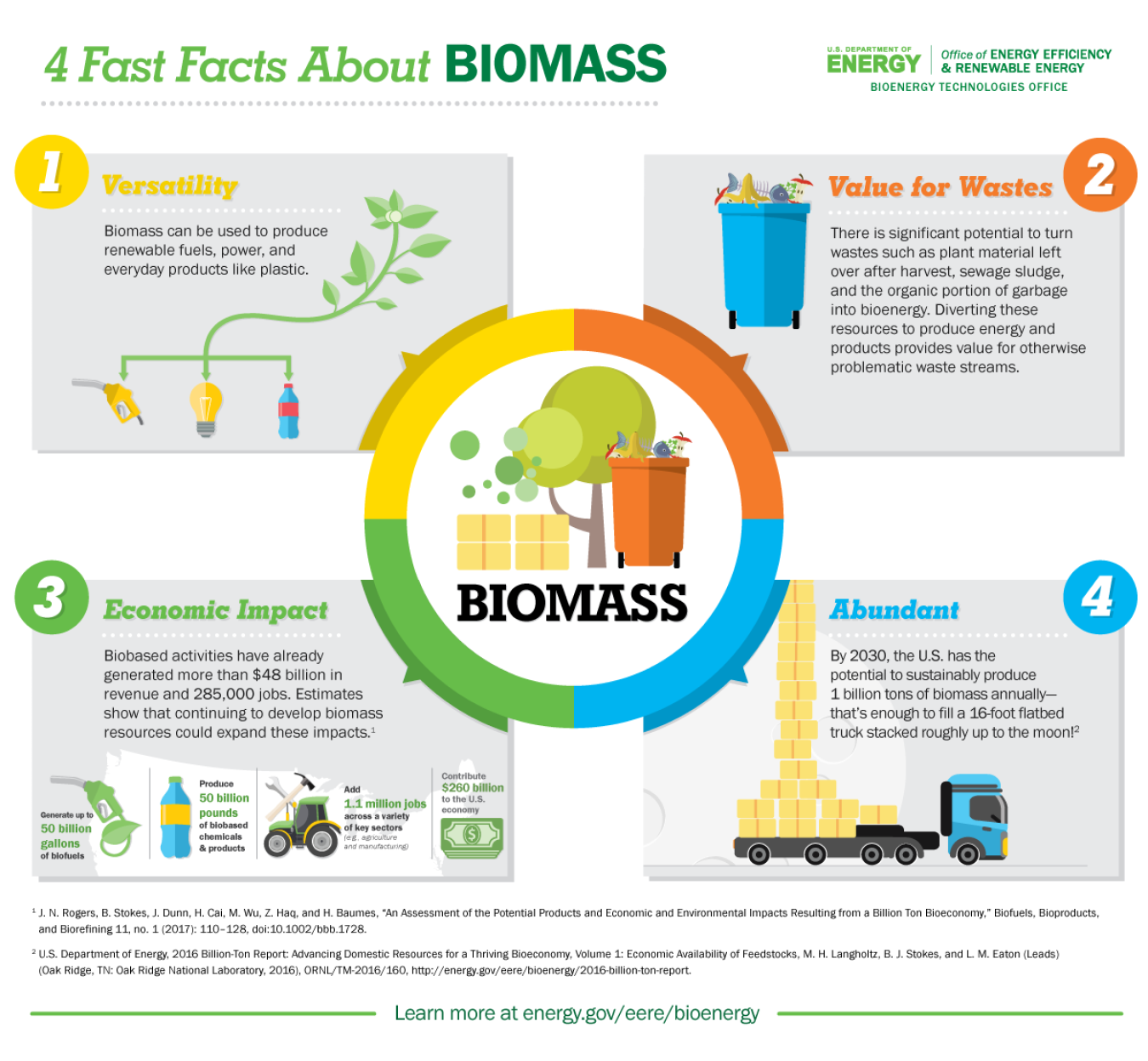
Let's face it, renewable energy discussions can sometimes feel a bit...dry. Wind turbines? Solar panels? Important, yes, but hardly inspiring dinner conversation. But what if I told you there was a renewable energy source that could spark your creativity, engage your senses, and even help you reduce your carbon footprint in a surprisingly artistic way? I'm talking about the wonderful world of biomass! Think of it as the upcycled superstar of the energy world.
Now, before you picture massive industrial plants, let's think smaller, more accessible. For artists, hobbyists, and casual learners, biomass offers a unique palette of possibilities. Imagine creating stunning artwork using natural dyes derived from food waste, or powering a small garden project with composted organic matter. Forget boring science experiments; this is about tangible results and making a positive impact on the environment through engaging and creative projects.
The beauty of biomass lies in its incredible versatility. Think about the vibrant reds and oranges you can extract from onion skins and avocado pits, perfect for natural dyeing projects. Explore the world of paper-making using recycled paper and plant fibers, creating unique textured canvases for your art. For the more adventurous, consider building a small compost-powered water heater for a greenhouse, using kitchen scraps and garden waste to nurture your plants. Even something as simple as using wood ash from your fireplace as a natural fertilizer for your garden is a form of biomass energy!
Must Read
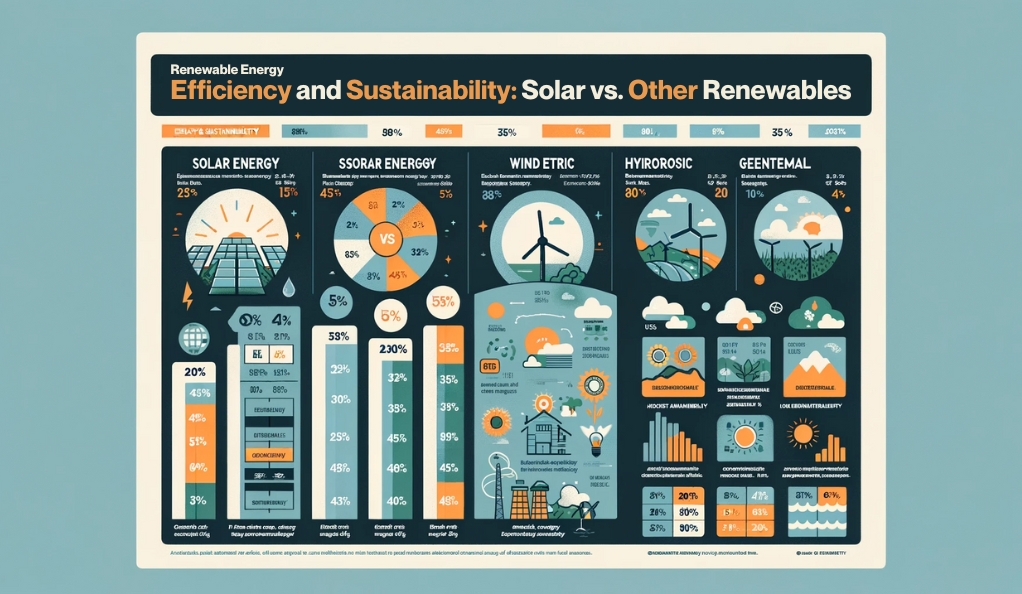
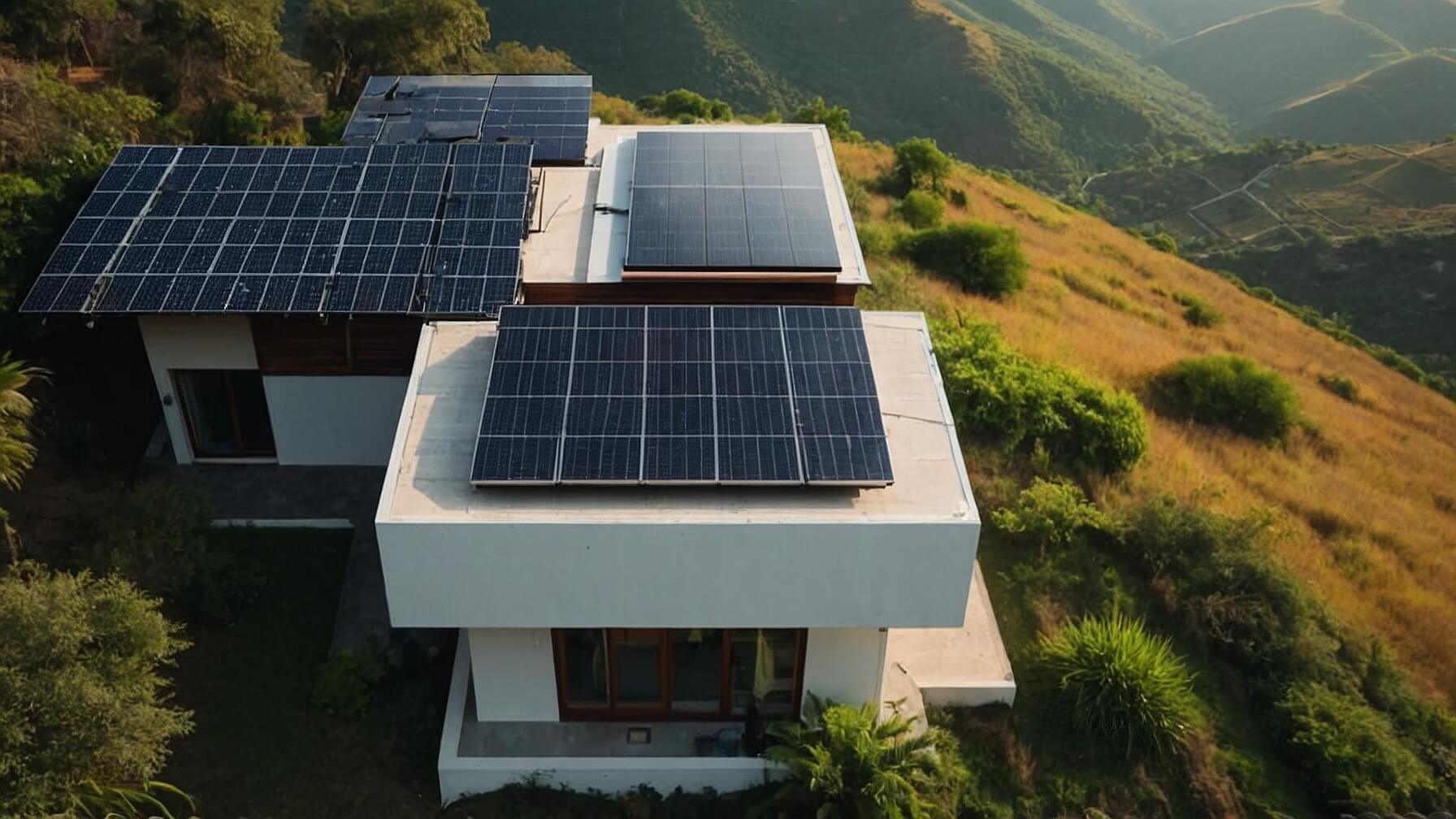
But how does biomass compare to other renewable energy giants like solar and wind? Well, each has its own strengths. Solar power is fantastic for generating electricity directly from the sun, and wind power harnesses the kinetic energy of the wind. Biomass, on the other hand, often involves a conversion process, like burning wood or converting organic waste into biogas. However, unlike solar and wind, biomass can be more readily stored and used on demand. It also offers a fantastic opportunity to close the loop on waste and resource use, turning discarded materials into valuable energy or materials.
Want to try biomass at home? Start small! Here are a few tips:
- Compost, compost, compost! Even a small countertop composter can drastically reduce your food waste and create nutrient-rich soil for your plants.
- Experiment with natural dyes. Research common food scraps that can be used to create a rainbow of colors for fabric dyeing or watercolor painting.
- Upcycle wood scraps. Instead of tossing out leftover wood from a project, use it to build birdhouses or small furniture pieces.
- Learn about biogas digesters. There are small-scale biogas digester kits available for home use, which can convert organic waste into usable gas for cooking or heating. Always prioritize safety when working with flammable gases.
Ultimately, the appeal of working with biomass stems from its tangible connection to nature and its potential for creative expression. It’s not just about generating energy; it's about understanding cycles, reducing waste, and creating something beautiful and useful from what might otherwise be discarded. It’s about seeing the potential in what others consider refuse. So, dive in, experiment, and discover the joy of unlocking the hidden potential within the natural world. You might be surprised at what you can create and how much fun you have along the way! Let's embrace the power of biomass – one compost heap, one natural dye, one upcycled masterpiece at a time.