
Como Se Dice Hoja De Laurel En Inglés
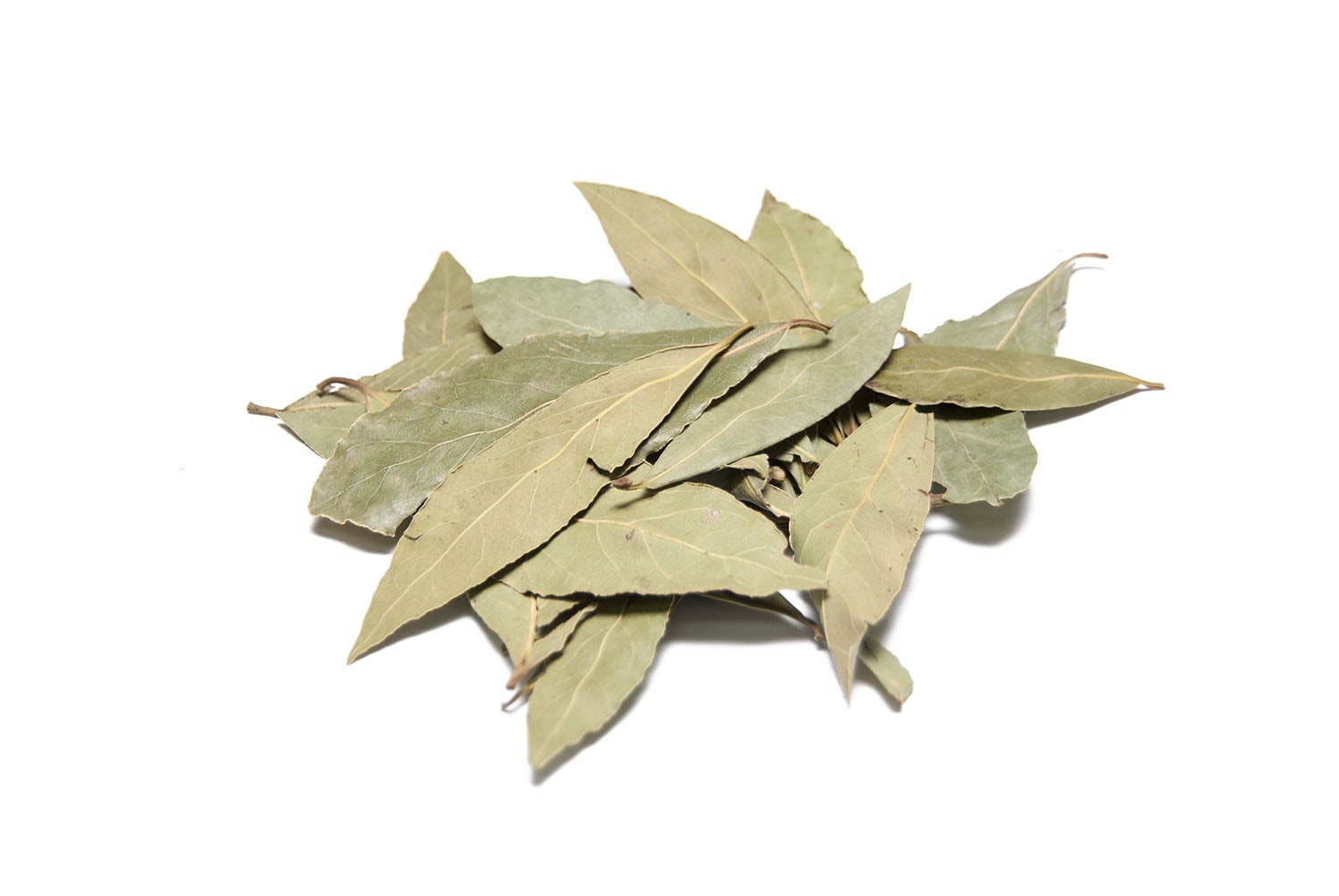
Ever sprinkled a little something magical into your soup that made everyone say, "Mmm, what's that flavor?" Chances are, you might have used a humble little leaf. But what if you wanted to tell your English-speaking friend about it? That little leaf is called "hoja de laurel" in Spanish, but what do you call it in English?
Unveiling the Mystery: It's All About the Bay
The answer is surprisingly simple: it's a bay leaf! Yup, that's it. All that flavorful goodness comes from these unassuming leaves. They are often used in cooking.
But here's where it gets a little more interesting. You see, the world of cooking, like languages, is full of nuances. It turns out, not all "bay leaves" are created equal!
Must Read
The Different Flavors of Bay
Think of "bay leaf" as an umbrella term. Underneath that umbrella, you have different types, each with its own subtle personality. It's like saying "dog" – you could be talking about a tiny chihuahua or a massive Great Dane!
The most common type you'll find in your grocery store is the Turkish bay leaf, also known as the Mediterranean bay leaf. It's got a mild, almost sweet fragrance. It is used in many dishes.
Then there's the California bay leaf. This one's a bit bolder, a bit more intense. Some people even say it can be a little too strong, so use it sparingly!
And let's not forget the Indian bay leaf, also called tej patta. This guy's got a flavor that's reminiscent of cinnamon and cloves. It is frequently used in Indian cuisine.
A Cooking Adventure
Imagine you're making a big pot of chili. You toss in a couple of bay leaves, hoping to add that special "something." But what if you accidentally grabbed the California bay leaves instead of the Turkish ones?

Well, your chili might end up tasting a little… adventurous! It's not necessarily a disaster, but it might have a slightly more assertive flavor than you intended.
This is why knowing a little bit about the different types of bay leaves can be helpful. It's like being a culinary detective, sniffing out the perfect flavor profile for your dish.
Beyond the Kitchen: A Touch of Lore
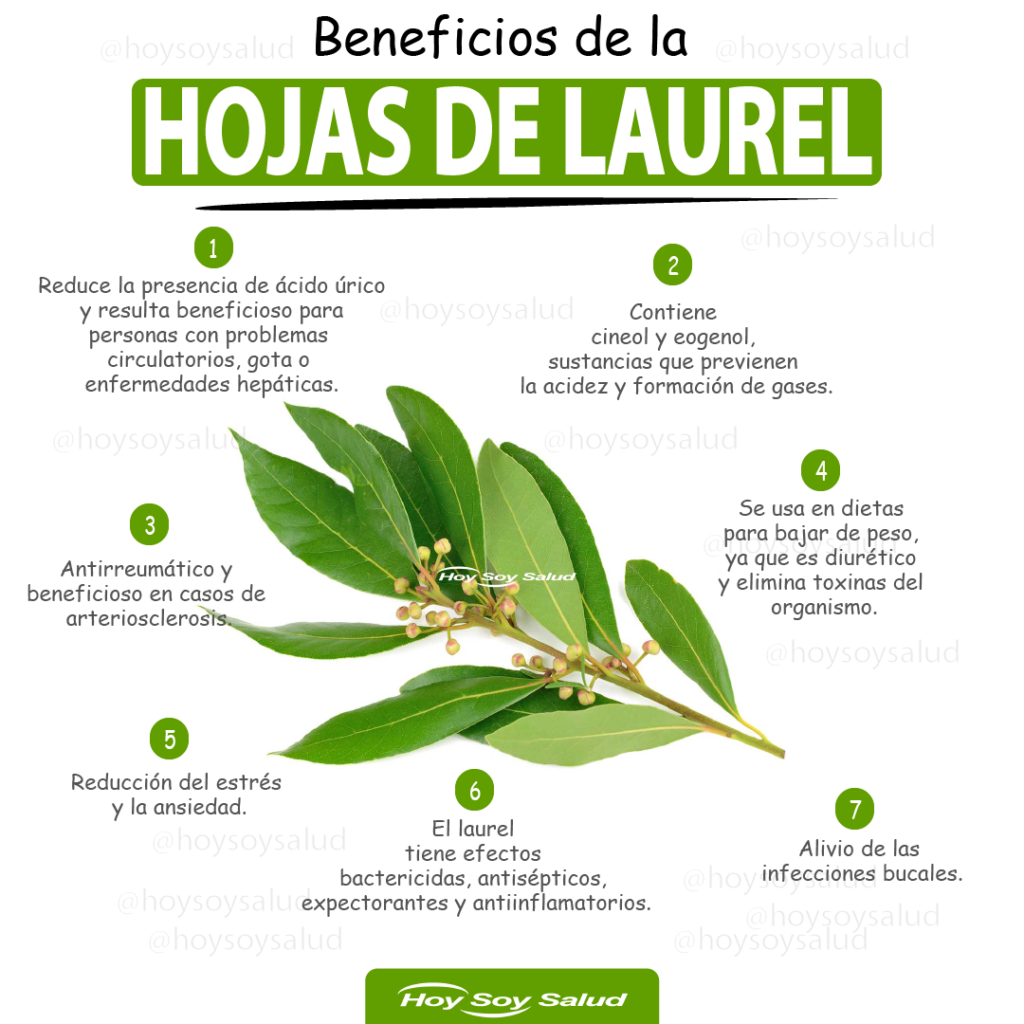
Bay leaves aren't just for cooking. They've got a history that stretches back centuries. In ancient Greece and Rome, they were associated with victory and honor.
Winners of athletic competitions and military battles were often crowned with wreaths made of bay leaves. It was a symbol of triumph and achievement.
Even the word "baccalaureate," the name for a bachelor's degree, comes from the Latin "bacca laurea," meaning "laurel berry." It refers to the laurel wreath given to graduates.

The Bay Leaf in Pop Culture
You might not realize it, but the humble bay leaf has even popped up in popular culture. Think about movies or TV shows where someone's cooking a big, elaborate meal.
Chances are, you'll see them reaching for a jar of dried herbs, and there, nestled among the oregano and thyme, will be a few unassuming bay leaves.
It's a little nod to the importance of this ingredient, a subtle acknowledgment of its role in creating delicious and memorable meals.
So, How Do You Use It?
Using bay leaves is easy. You simply add them to your dish while it's cooking. Usually you remove the leaves before serving.
The heat helps to release the essential oils in the leaf, infusing your food with its flavor. Just remember to take them out before you eat! They're not exactly pleasant to chew on.
You can use them in soups, stews, sauces, braises, and even rice dishes. They're particularly good with slow-cooked dishes, where the flavor has plenty of time to develop.
Growing Your Own Bay Tree?
If you're feeling ambitious, you can even grow your own bay leaf tree! They're relatively easy to care for, and they make a beautiful addition to any garden.
Just be sure to protect them from frost in colder climates. And remember, it takes a few years for a bay tree to mature enough to produce usable leaves.
But imagine the satisfaction of harvesting your own fresh bay leaves, knowing that you've grown them yourself! It's a culinary adventure that's both rewarding and delicious.
A Final Thought
So, the next time you're cooking up a storm, remember the hoja de laurel, the humble bay leaf. It's a small ingredient, but it can make a big difference in the flavor of your food.
Whether you're using Turkish, California, or Indian bay leaves, experiment and discover the flavors you love. Happy cooking!
And remember, a little bit of bay leaf can go a long way. So use it wisely, and enjoy the magic it brings to your kitchen.
"Cooking is at once child's play and adult joy. And cooking done with care is an act of love." - Laurie Colwin
Speaking of love, consider this. Adding a bay leaf isn't just about flavor, it's about adding a little bit of history, a little bit of tradition, and a whole lot of heart to your cooking. So, go ahead, embrace the bay leaf and create something delicious!
Perhaps you can share a meal with someone. Make sure you mention the "secret ingredient" in English: it's the bay leaf!
This small act, sharing your knowledge about this common leaf, will bring people together. Cooking is a language that everyone speaks.
Have fun. Share this knowledge with your friends.
So next time someone asks, "Como se dice hoja de laurel en inglés?" You can confidently reply, "It's a bay leaf!"