
Como Saber Si Un Detector De Humo Tiene Camara

Okay, let's be real. We've all been there. You're chilling, maybe watching a crime documentary or scrolling through some particularly wild internet theories, and suddenly your eyes drift to that unassuming little disk on the ceiling. The smoke detector. And a thought, sneaky as a ninja, creeps into your mind: "Wait a minute... does that thing have a camera?"
It's a totally fair question! In an age where even our smart fridges might be judging our late-night snack choices, it's natural to wonder if our humble smoke alarm is doing a little extra surveillance. Don't worry, you're not alone in this slightly paranoid, slightly hilarious mental exercise. It's less "secret agent" and more "just making sure I'm not accidentally starring in a reality show about my messy living room."
The Great Smoke Detector Spy Check: What To Look For
Most smoke detectors are pretty straightforward devices. Their main gig is to scream bloody murder (or just a very loud beep) if they smell smoke. They're not usually designed for capturing your embarrassing dance moves. But hey, exceptions exist, right? So, how do you play detective without looking like you're trying to communicate with aliens?
Must Read
1. The "Tiny Beady Eye" Test: Look for a Lens
This is your first, most obvious clue. Cameras need a lens to see. Even a tiny, pinhole camera will have a small, dark, circular opening. Think of it like a very, very small cat's eye peeking out.
Grab a flashlight – your phone's flashlight works great – and gently shine it on the smoke detector. Look for any unusual holes, especially shiny or reflective ones. If it looks like a regular part of the vent or sensor, you're probably fine. But if you see something that looks suspiciously like a little black dot that doesn't quite fit, that's your first red flag. It should look distinct from the normal vents or indicator lights. Most smoke detectors are designed to be as unobtrusive as possible, not to have a little "hello there!" window.
2. The "Extra Juice" Check: Wiring and Power
Regular smoke detectors usually run on batteries – that little 9V square you always forget to change until it starts chirping at 3 AM. Or, if hardwired, they connect to your home's electrical system, but generally for power, not for transmitting video.
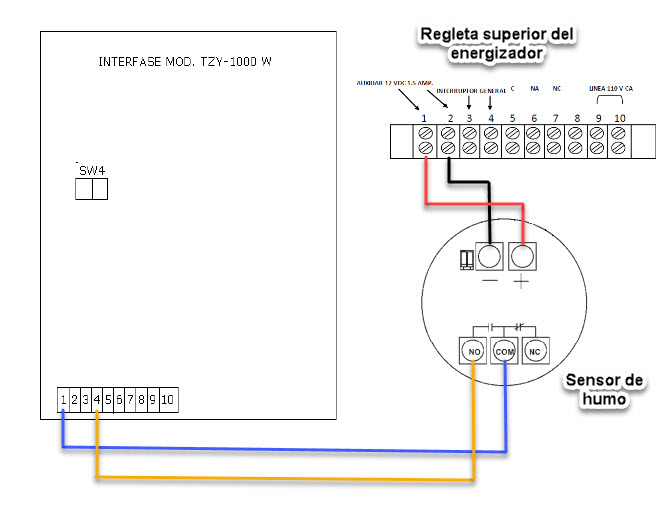
A camera, especially one that records or streams video, needs a lot more power and likely some way to send that data. We're talking more than just enough juice to detect smoke. If you can safely get close and observe, look for any extra cables running into or out of the unit, or a very obvious, non-standard power source. Sometimes, Wi-Fi enabled cameras might have a small antenna. This isn't always visible, but if you see a bulkier unit with more than the usual two wires (live and neutral) going in, or if it feels unusually heavy for just a smoke detector, your suspicions might be onto something.
3. The "Blinky Light" Investigation: Recording Indicators
Many hidden cameras, especially those designed to blend in, will still have a tiny indicator light – sometimes blue, sometimes red – that might blink when recording or transmitting. It's often very subtle, designed to be missed.
If you're in a dimly lit room and you notice a tiny, almost imperceptible blinking light that isn't the standard "I'm alive" power indicator (which usually just glows steadily or blinks very slowly), pay closer attention. This is often the camera's way of saying, "Hey, I'm working!" even when it's trying to be super stealthy. Some smart smoke detectors do have indicator lights for Wi-Fi or status, but a constantly blinking, rapid light, especially one that wasn't there before, is worth investigating.

4. The "Google is Your Friend" Maneuver: Model Number Search
If you're still feeling a bit like James Bond on a mission, the easiest and safest thing to do is to find the model number. This is usually on the side or back of the unit. You might need a chair or a step stool (safety first, folks!).
Once you have that number, simply type it into your favorite search engine. Add "specifications" or "features" to your search. If it's a legitimate smoke detector with a camera, the product page will proudly list "hidden camera," "surveillance features," or "Nanny Cam" as a selling point. If it just talks about ionization chambers and decibels, you're probably in the clear. It's like checking the ingredients on a cereal box – if it doesn't say "marshmallows," you're probably not getting marshmallows.

5. The "Context Clues" Consideration: Why Would There Be One?
Finally, take a step back and consider the situation. Are you in your own home? A trusted friend's home? A legitimate hotel room? Most standard, off-the-shelf smoke detectors bought from reputable stores are just that: smoke detectors.
Unless you're a super important CEO, a celebrity, or perhaps just someone who makes incredibly viral cat videos in your living room, the likelihood of someone going to the trouble and expense of installing a covert camera in a smoke detector to spy on you is pretty low. This isn't to dismiss legitimate concerns, but it's important to differentiate between healthy caution and letting your imagination run wild with too many spy movies.
Breathe Easy, Mostly
In most cases, that little white disc on your ceiling is just doing its job, patiently waiting to warn you about burnt toast or a forgotten candle. It's not recording your impromptu karaoke sessions or judging your pajamas. But hey, it's good to be aware, right? A little bit of detective work can go a long way in giving you peace of mind. So next time you glance up, give it a quick once-over, then go back to living your life, camera-free!