
Como Esconder Una Mini Camara En Un Baño
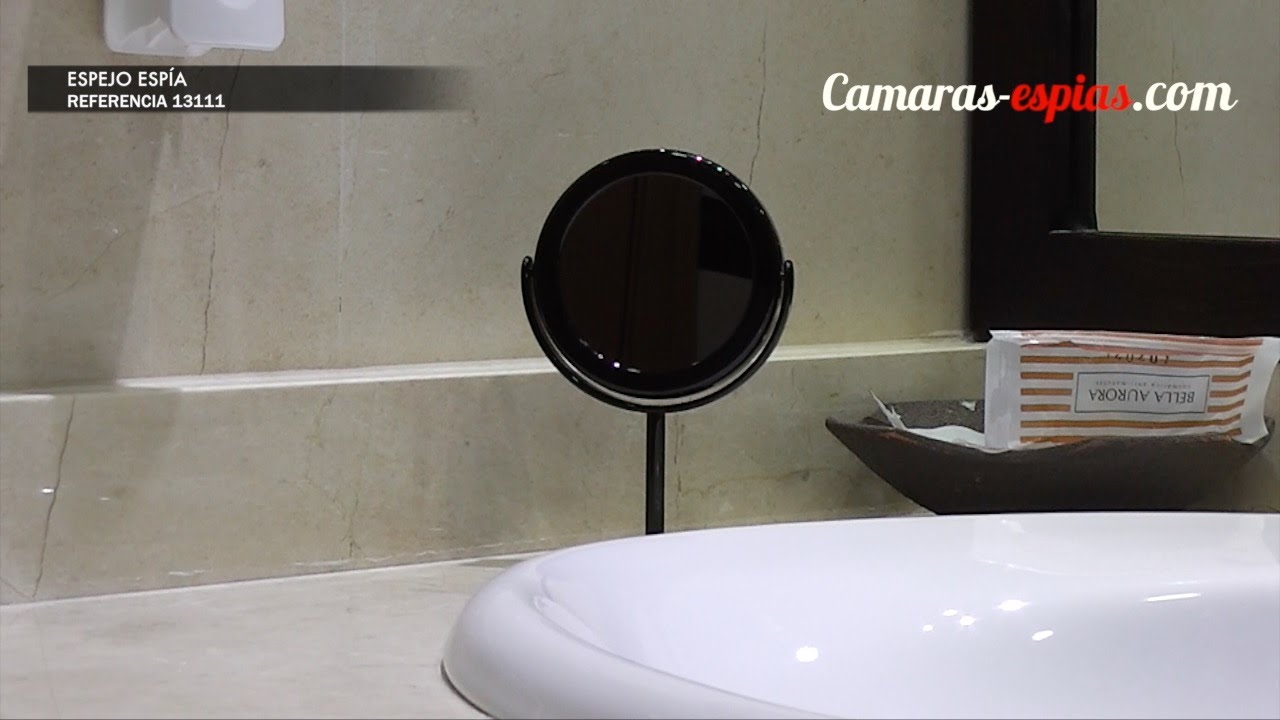
Okay, let's talk about something a little...intriguing. Maybe you’re writing a spy novel, planning an elaborate escape room, or, and we really hope this is the case, legitimately need to observe water usage in a vacant rental property. Whatever your (perfectly legal) reason, you're wondering about hiding a mini camera in a bathroom. So, let's dive in – responsibly, of course.
First things first: legality is key. Before you even think about sticking a camera anywhere, make absolutely sure you're within the bounds of the law. Secret recording, especially in places like bathrooms where privacy is paramount, can land you in serious trouble. We’re talking fines, lawsuits, the whole shebang. This article is purely for entertainment and hypothetical scenarios – consider it a "Mission: Impossible" brainstorming session, not a how-to guide for breaking the law.
The Art of Camouflage: Think Like a Magician
Hiding a mini camera is all about blending in. You need to become a master of disguise, a chameleon of the bathroom. The goal is to make the camera virtually invisible to the casual observer.
Must Read
Consider Everyday Objects: Bathrooms are filled with them. Think about:
- Fake Air Fresheners: Those aerosol cans or plug-in diffusers? Perfect hiding spots. Many are bulky enough to conceal a small camera and battery pack. Just make sure the 'fragrance' isn't too overpowering!
- Soap Dispensers: Empty out a soap dispenser (the refillable kind, obviously!), hollow out a space inside, and strategically position the camera lens near the pump nozzle.
- Toothbrush Holders: A slightly larger-than-usual toothbrush holder could easily conceal a tiny camera. Just make sure it doesn't look too out of place with the rest of the bathroom accessories.
- Tissue Boxes: Hollowed out tissue boxes offer a surprisingly effective hiding place. You can even cut a small hole in the side to act as the lens peephole.
The Devil is in the Details: Don't just shove a camera into something and hope for the best. Pay attention to these details:

- Lens Placement: The angle is everything. You need a clear, unobstructed view of the area you want to monitor. Experiment with different positions before permanently mounting the camera.
- Power Source: Mini cameras need power. Consider battery life or, if possible, discreetly running a power cable. Be mindful of potential hazards (water and electricity don’t mix!).
- Lighting: Bathrooms can be surprisingly dark. Make sure your camera has good low-light capabilities, or consider adding a subtle, disguised light source. Think a nightlight with a hidden compartment.
- Movement: Secure the camera really well. A shaky or wobbly camera is a dead giveaway. Double-sided tape, strategically placed foam, or even a small amount of silicone sealant can help.
Cultural Inspiration: James Bond's Bathroom Gadgets
If you're looking for inspiration, think James Bond. Remember those ridiculously elaborate gadgets Q Branch comes up with? While you might not have access to laser-guided toothbrushes (yet!), the spirit of ingenuity applies. How would 007 hide a camera in a bathroom? He'd probably use a pressure-activated soap dish or a mirror with a hidden compartment.
Fun Fact: The first commercially available spy camera was the "Ticka" camera, released in 1906. It was disguised as a pocket watch!
Beyond the Obvious: Creative Concealment
Wall Art: A small, framed picture or piece of wall art can easily conceal a camera behind it. Cut a small hole in the backing board for the lens.
Plants: Fake plants are surprisingly good at hiding things. The leaves provide natural camouflage, and the pot offers a convenient place to conceal the camera and its power source. Just don't overwater it... you know, because it's fake.
Mirrors: A two-way mirror is a classic spy movie trope. However, implementing this requires some serious DIY skills and careful planning. It's also much more noticeable than other methods.

Final Thoughts: Ethics, Legality, and Common Sense
Remember, this whole exercise should be approached with extreme caution and a healthy dose of ethical consideration. The potential consequences of illegal surveillance are severe, and the impact on someone's privacy can be devastating.
Ultimately, the best way to "hide a mini camera in a bathroom" is to avoid doing it altogether unless you have a legitimate, legal, and ethically sound reason. Perhaps focus that creative energy on a new hobby, like, I don't know, competitive cheese sculpting?
The ingenuity required to conceal something like a camera reminds us that observation, whether for good or potentially ill, is a constant undercurrent in modern life. From social media algorithms to security cameras on street corners, we are constantly being observed. Perhaps reflecting on this constant surveillance can prompt us to be more mindful of our own actions and the impact they have on others' privacy. Be thoughtful, be responsible, and maybe just stick to writing that spy novel instead.
