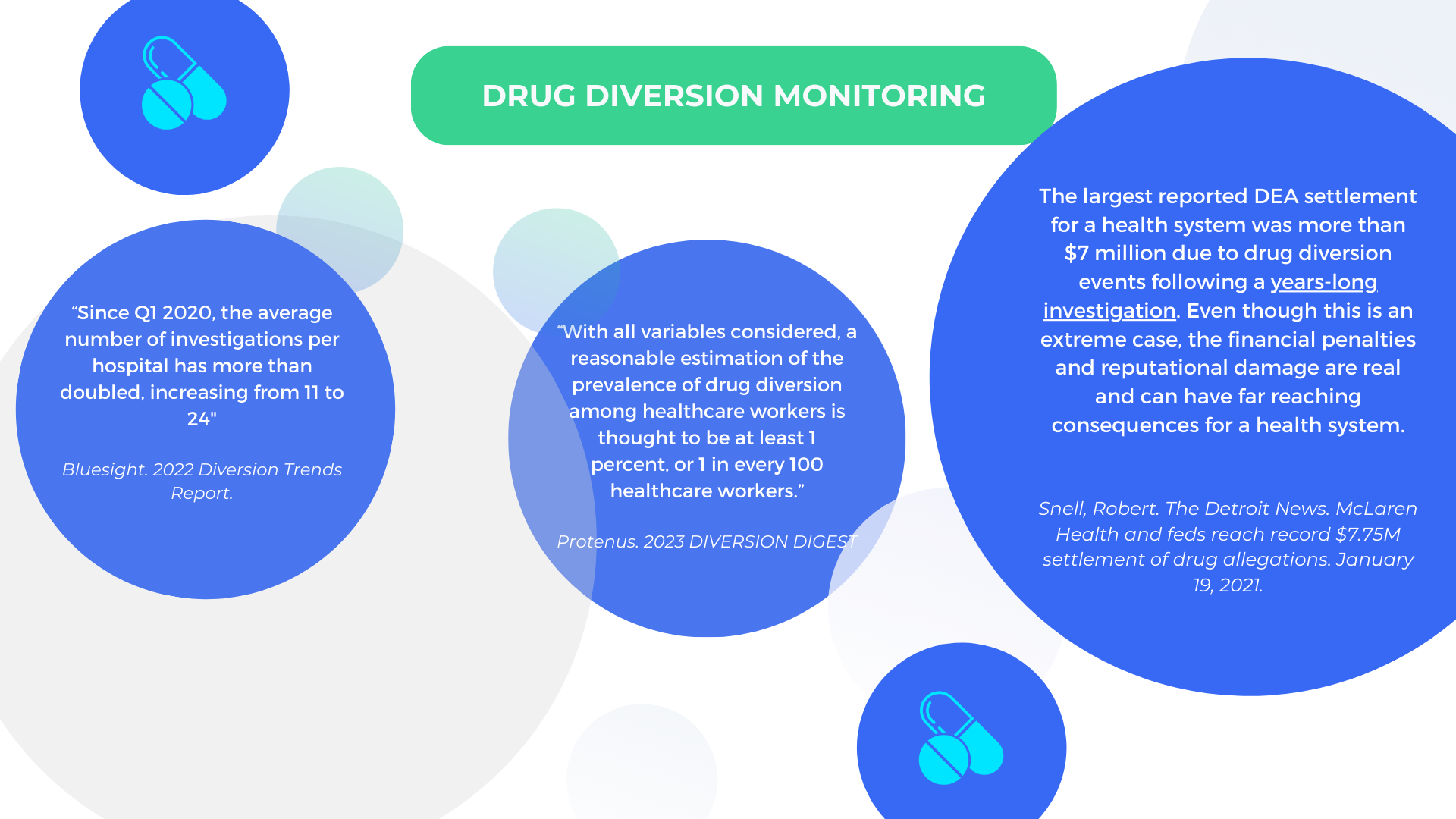
Common Factors Associated With Drug Diversion
Okay, so picture this: It’s 3 AM. Brenda, a seemingly dedicated nurse, is “charting” in a dimly lit corner of the hospital. Except… she’s not really charting. She's fiddling with the medication dispensing system, making subtle adjustments to controlled substance records. Why? Well, let’s just say Brenda has a really good friend, chronic back pain, and an empty prescription bottle. Sounds like a movie scene, right? Unfortunately, it's more common than you think. This, my friends, is drug diversion in action. And it's a tangled web of risk factors that can trip up even the most well-intentioned individuals.
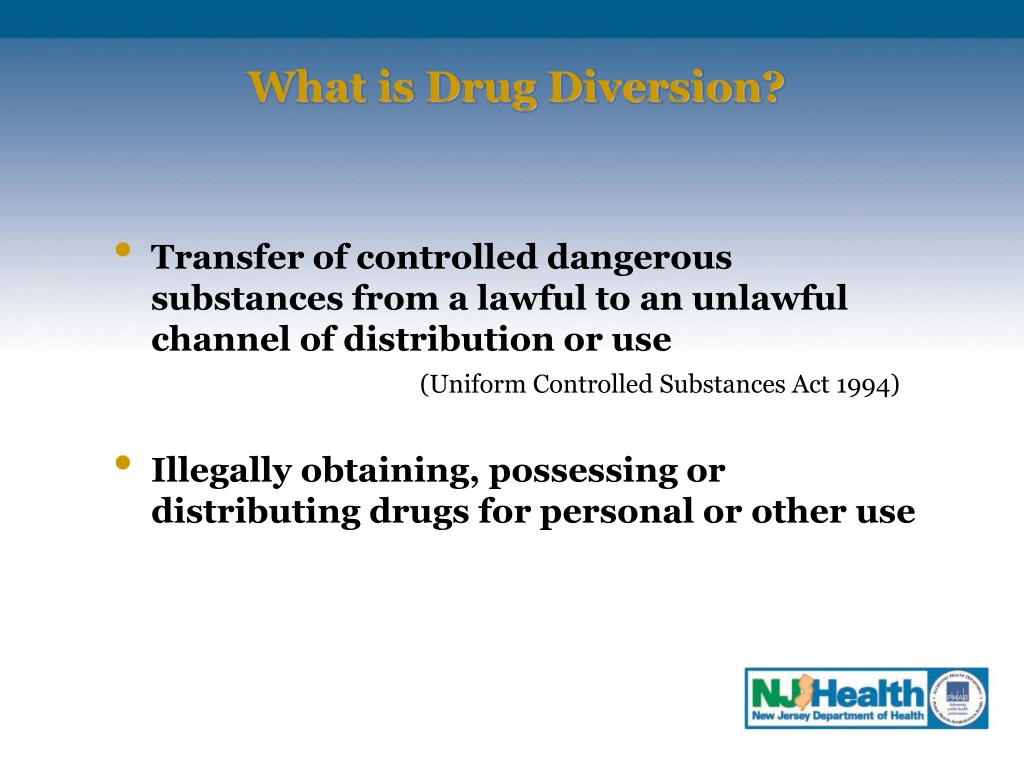
What exactly is drug diversion? Simply put, it's when medications (especially controlled substances) are obtained, used, or distributed for purposes other than their intended clinical use. We're talking stealing, forging prescriptions, you name it. Think of it as the medication taking a detour. A very illegal detour.
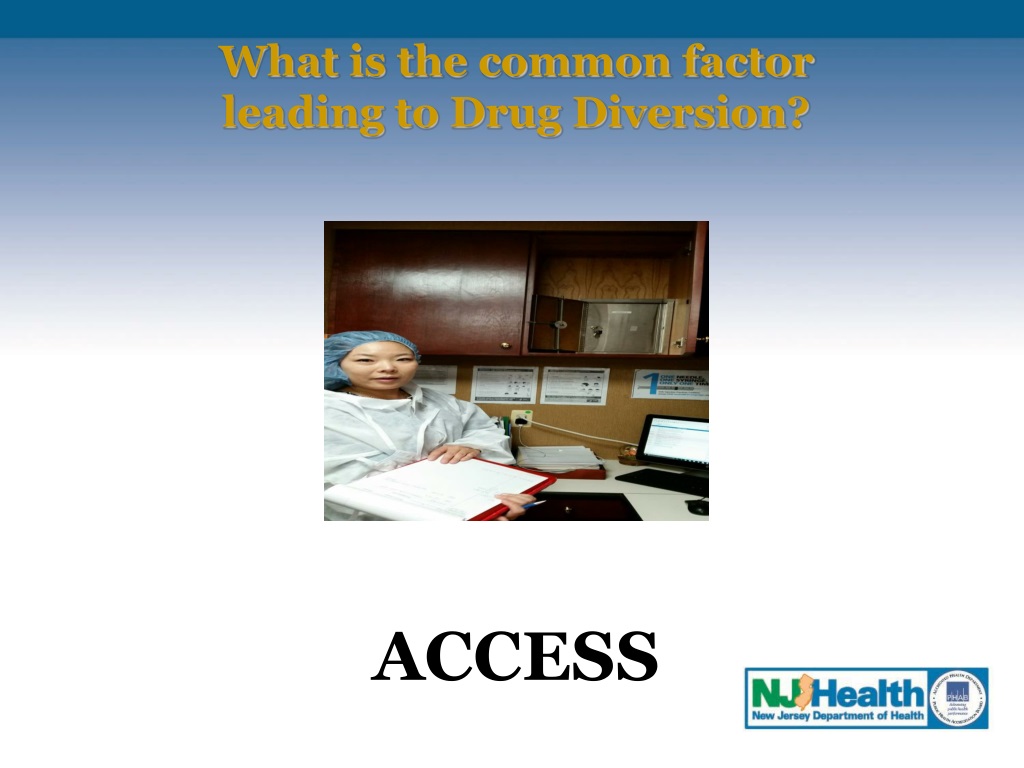
Access and Opportunity: The Gateway Drugs (Pun Intended!)
Let’s face it, access is a huge part of the problem. If there's no readily available supply, there's less temptation. Think about it: a pharmacist has easier access than, say, a construction worker (no offense to construction workers!). But those medications have to get through the pharmacist first, right?
Must Read
- High-Stress Environments: Hospitals, pharmacies, long-term care facilities… these are often high-pressure cookers. Burnout, understaffing, and demanding work schedules can create an environment where individuals are more vulnerable to making poor decisions. (Ever felt so stressed you just wanted to escape? Yeah, me too. But there are healthier ways!)
- Easy Access to Medications: Obvious, but crucial. Locations with lax security protocols and readily available controlled substances are prime targets. Remember Brenda? Weaknesses in medication dispensing systems were a contributing factor in her situation.
- Poor Inventory Control: If no one's keeping a close eye on what's coming in and going out, it's like leaving the candy store door open. Think about it - if nobody notices a few pills missing, someone might be tempted to keep it up.
Personal Vulnerabilities: The Internal Battle
It's not just about opportunity; it's about who has the opportunity. Certain personal characteristics can make individuals more susceptible to diversion.
- Substance Use Disorders: This is a big one. Individuals struggling with addiction are, naturally, at higher risk of diverting drugs to feed their dependency. It’s a vicious cycle, and it’s crucial to remember that addiction is a disease, not a moral failing. (Compassion, not judgement, is key here)
- Mental Health Issues: Depression, anxiety, and other mental health conditions can increase vulnerability. Self-medication is a dangerous path, and sometimes, diverting medications seems like the only option to someone in immense pain.
- Personal Stressors: Financial problems, relationship issues, family emergencies… these can all contribute to a feeling of desperation, pushing individuals to make impulsive decisions. Life stressors can be a HUGE contributor here.
- History of Diversion: Someone who’s done it before might be more likely to do it again. It's a sad fact, but understanding past behavior is important for preventing future incidents.
Organizational Factors: The System is Broken
Sometimes, the problem isn't just the individual; it's the system itself. A lax organizational culture can inadvertently enable diversion.
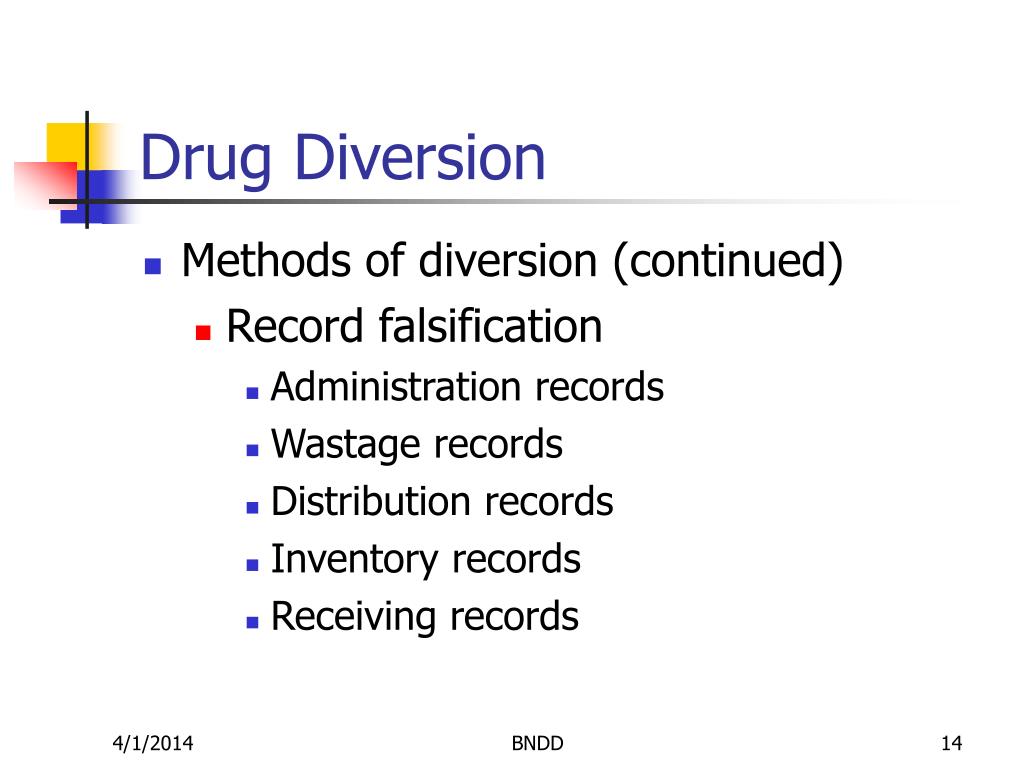
- Lack of Monitoring and Surveillance: If no one’s watching, it’s easier to get away with it. This includes everything from video surveillance to data analytics looking for suspicious patterns.
- Inadequate Policies and Procedures: Vague or unenforced policies create loopholes that can be exploited. Clear, consistent rules are essential.
- Fear of Reporting: A culture of fear can prevent individuals from reporting suspicious behavior. Nobody wants to be a "snitch," but silence can enable diversion to continue unchecked. Create a safe reporting environment!
- Poor Leadership: When leaders don’t take diversion seriously, it sends a message that it’s not a priority. Strong leadership is crucial for setting the tone and fostering a culture of accountability.
In conclusion, drug diversion is a complex issue with no easy solutions. It's a mix of opportunity, personal vulnerability, and organizational weaknesses. By understanding these common factors, we can work towards creating safer and more secure environments for everyone – both patients and healthcare professionals. And maybe, just maybe, we can help someone like Brenda get the help they need before a desperate situation turns into a tragedy. Think proactively, not reactively.