
Combined Smoke And Carbon Monoxide Detector
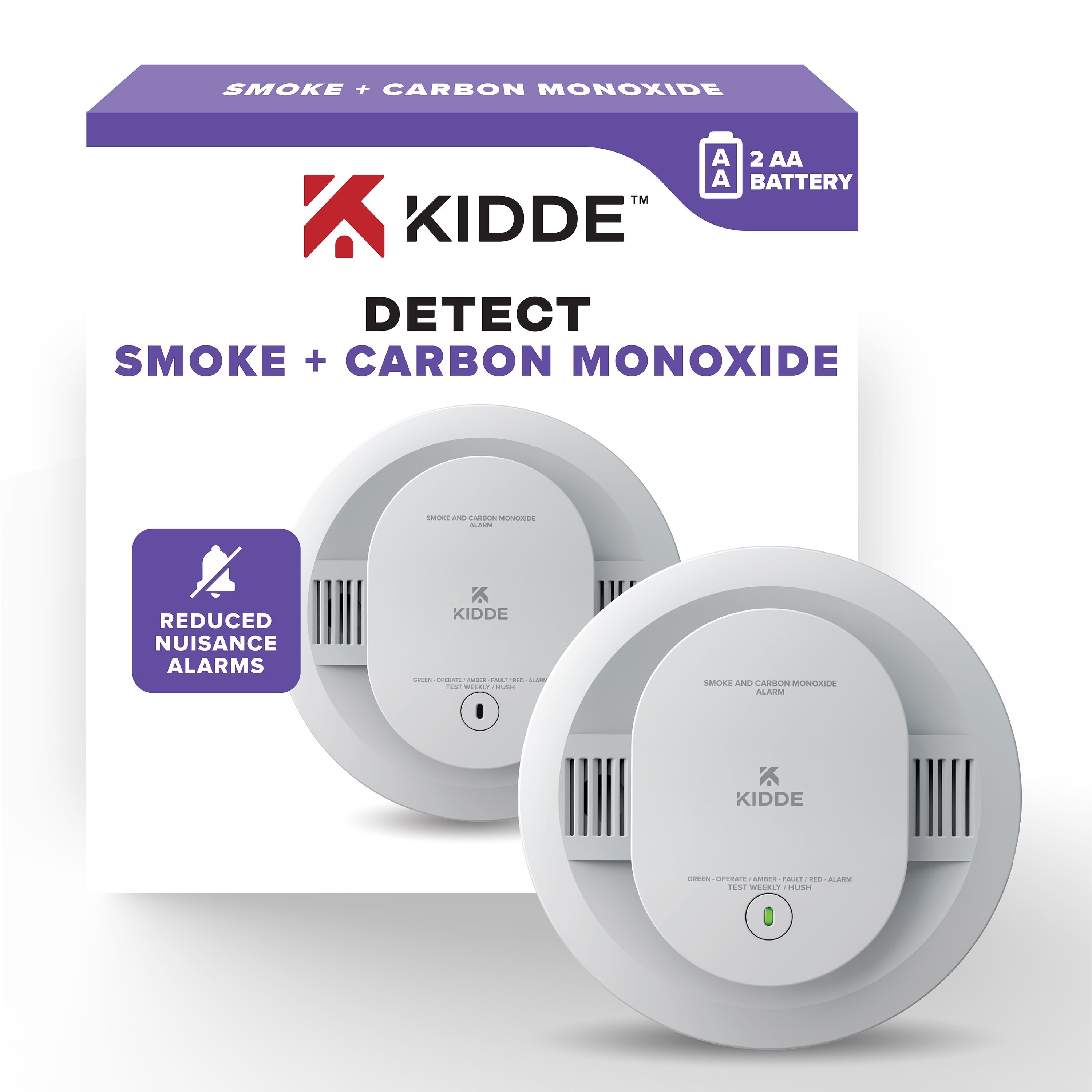
Okay, so picture this: I'm in the kitchen, minding my own business, trying to whip up some "gourmet" grilled cheese (which, let's be honest, usually means I'm this close to setting off the smoke detector). I get distracted by a particularly compelling cat video – don't judge – and suddenly, that tell-tale wisp of smoke starts curling from the pan. Cue the frantic waving of a dishtowel, the opened windows, and that tiny, familiar voice in my head going, "Uh oh, almost called the fire department on myself again."
It’s moments like those, those little household dramas, that make you appreciate the simple, piercing shriek of a smoke detector. It’s loud, it’s annoying, but man, is it a lifesaver. You see the smoke, you smell the burning, and the alarm just confirms what your senses already suspected: Houston, we have a problem.
But then I started thinking, what about the things we can't see or smell? What about the invisible threats lurking in our homes, just waiting for a chance to ruin your day, or worse? And that, my friends, is where the unsung hero of home safety steps onto the stage: the combined smoke and carbon monoxide detector.
Must Read
One Device, Two Lifesaving Jobs
Remember that burnt toast incident? You knew what was happening because you had visible cues. But carbon monoxide (CO)? That’s a whole different beast. It’s often called the "silent killer" for a reason. It's odorless, colorless, and tasteless. You won't see it, you won't smell it, and you certainly won't taste it. All you might feel are flu-like symptoms – headaches, dizziness, nausea – which, let's be real, are super easy to brush off as "just a bad day." But ignore them at your peril, because prolonged exposure can be fatal. Seriously, fatal.
So, you've got smoke detectors for the fires you can see and smell. And you should have carbon monoxide detectors for the invisible gas that can creep in from faulty furnaces, water heaters, fireplaces, or even attached garages. But why have two separate gadgets cluttering up your ceiling when you can have one awesome device doing both jobs?

Why Go Combo? Convenience, My Friend!
Think about it: instead of trying to figure out where to put your smoke detector AND your CO detector, you get a two-for-one deal. Less installation hassle, fewer batteries to juggle (especially if you opt for those super-handy 10-year sealed battery units – highly recommended, by the way!). It’s just smarter, cleaner, and honestly, a little more foolproof.
These combined units typically use both ionization and photoelectric sensors for smoke detection (covering fast-flaming and slow, smoldering fires), alongside an electrochemical sensor for CO. So, you're getting top-notch protection on all fronts. Pretty neat, right?

Where Should These Bad Boys Go?
Alright, so you’re convinced (you should be!). Now, where do you put them? The general rule of thumb is similar to smoke detectors, but with some CO-specific tweaks:
- Every level of your home: Including the basement!
- Outside sleeping areas: You want to wake up if there's an issue while you're snoozing.
- In or near rooms with combustion appliances: Think furnace, water heater, fireplace, gas stove.
- Attached garages: Vehicle exhaust is a common source of CO.
Just a quick heads-up: try to avoid putting them directly next to cooking appliances (unless it's a gas oven, then maybe just a little further away) or in bathrooms where steam might cause false alarms. They’re sensitive, and we don’t want them crying wolf too often!
Don't Just Install 'Em, Maintain 'Em!
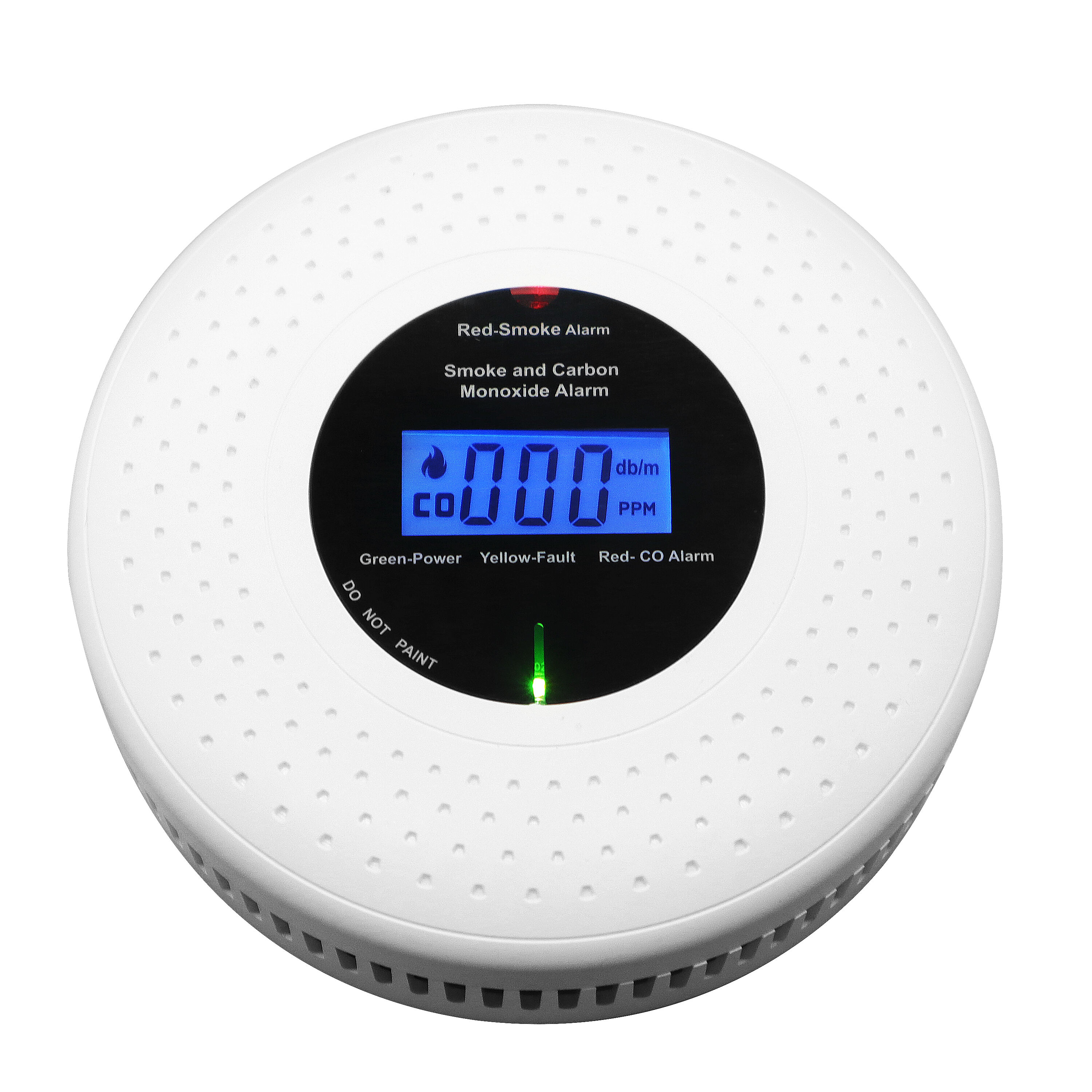
Here’s the thing about safety devices: they only work if they’re working. So, don't just stick 'em up and forget 'em. You gotta:
- Test monthly: Most have a little "test" button. Push it! Hear that chirp? Good.
- Change batteries: If they're not those fancy 10-year sealed ones, change the batteries at least once a year. A good reminder is when you change your clocks for daylight saving.
- Replace the unit: Yep, these things don't last forever. Smoke detectors typically have a 10-year lifespan, while CO detectors are often 5-7 years. After that, the sensors can degrade. Check the manufacture date on the back – it’s super important to replace them when they expire.
The Bottom Line
Look, our homes are our sanctuaries. We fill them with stuff we love, people we love (and sometimes a few too many cat videos). Protecting that, protecting us, should be a no-brainer. Upgrading to combined smoke and carbon monoxide detectors is one of the easiest, most cost-effective ways to add a significant layer of safety to your living space.
So, next time you're waving a dishtowel at a smoking pan, take a moment to consider the dangers you can't see. Go on, check your detectors. Maybe even treat yourself to a new combo unit. Your future self (and your lungs!) will thank you. Promise.
