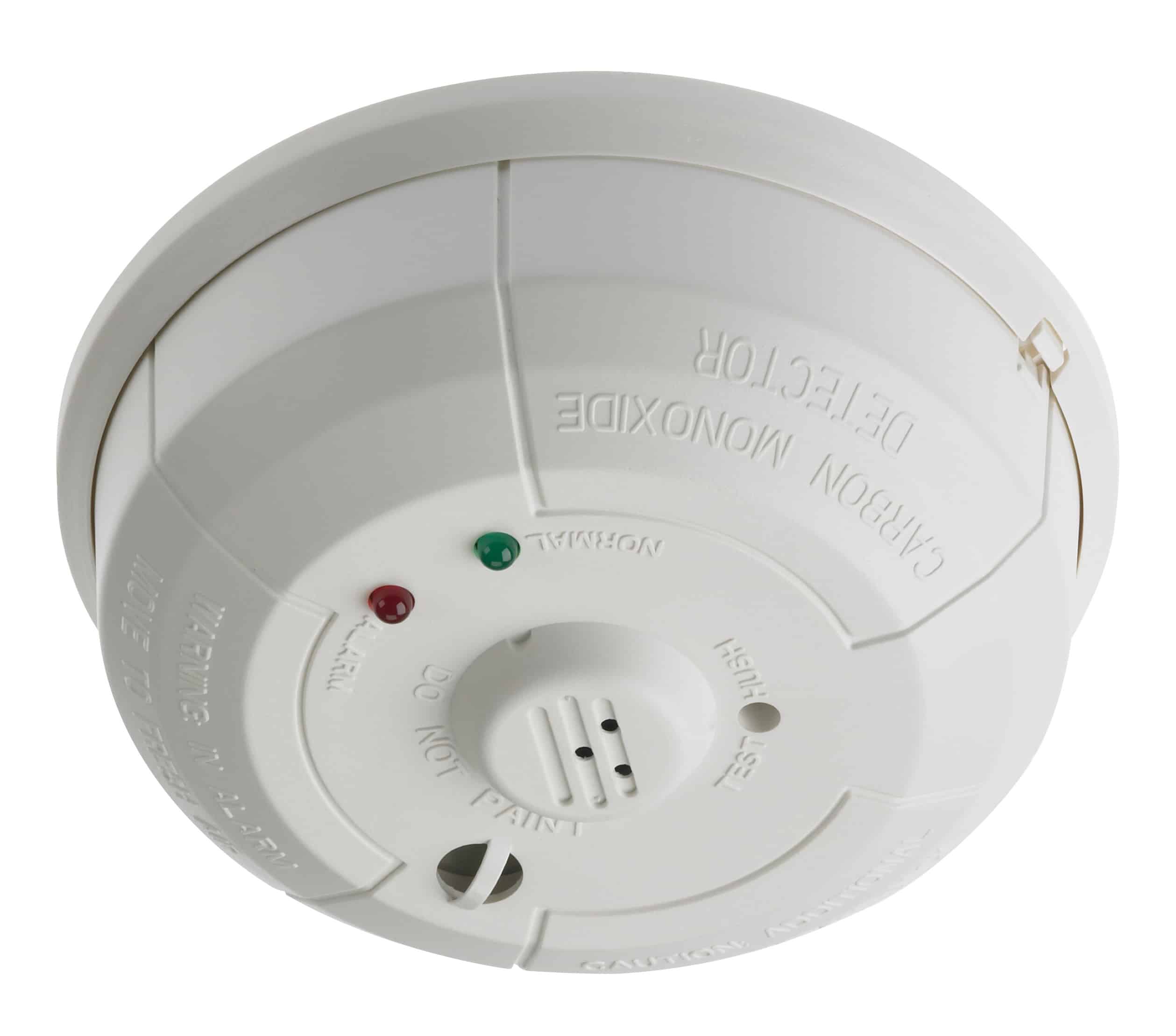
Colorado Carbon Monoxide Detector Law
Hey there, friend! Let's chat for a sec about something super important for every Colorado home, but also something we can make sound, well, fun. We’re diving into the wonderful world of Colorado’s Carbon Monoxide Detector Law. Think of it as a friendly nudge from Uncle Sam, but way less stuffy and much more about keeping you cozy and safe. No heavy legal jargon here, just good vibes and vital info!
So, what's the big deal with Carbon Monoxide (CO)? Imagine a sneaky, invisible, odorless, and tasteless gas. Yeah, basically a ninja gas. It’s produced when fuels like gas, oil, kerosene, wood, or propane don't burn completely. Things like your furnace, gas stove, fireplace, or even that car idling in an attached garage can be culprits. The scary part? You can't see or smell it, but it can be really dangerous, even deadly. But don't you fret! We have a simple, affordable superhero to save the day: the carbon monoxide detector!
The Lowdown on Colorado’s CO Law (It’s Easier Than You Think!)
Colorado, being the wonderfully safety-conscious state it is, decided to make sure everyone's got one of these little guardians. The law, specifically House Bill 21-1051 (don't worry, you don't need to memorize that!), essentially says:
Must Read
- If you're building a new residential building with a fuel-fired appliance or an attached garage, you gotta install CO detectors.
- If you're selling or renting out an existing residential building that has a fuel-fired appliance or an attached garage, guess what? You need CO detectors too!
See? Pretty straightforward! It’s all about protecting tenants and new homeowners from that silent, sneaky gas. Think of it as a mandatory "hug" from the state to ensure everyone breathes easy.
Where Do These Little Heroes Go? (Placement is Key!)
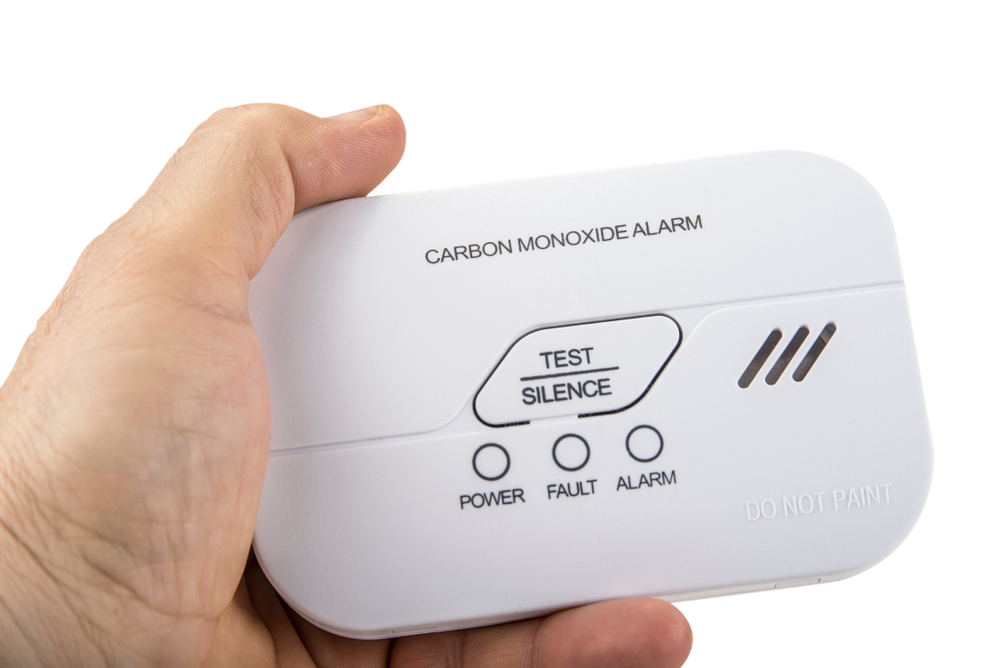
Alright, so you’ve got your detector (or two, or three!). Where do you put them? It’s not like decorating for a party where you can just toss them anywhere. Placement is actually super important for these vigilant sentinels. The law, and common sense, dictates you should have at least one CO detector on each level of your home. Yes, that includes the basement!

But wait, there's more! For optimal protection, especially where it matters most, place them:
- Near sleeping areas: This is crucial! You want that alarm to wake you up if CO levels start rising while you’re catching z's.
- Outside bedrooms: Think hallways leading to bedrooms.
- Within 15 feet of each bedroom door: A good rule of thumb.
- If you have a fuel-fired appliance in a basement, an additional detector down there is a smart move.
Just a quick tip: Don't put them right next to fuel-burning appliances (like your furnace) or within 5 feet of them, unless the manufacturer says so. Sometimes, startup fumes can cause false alarms, and who wants their detector yelling at them about burnt toast when it's just doing its job a little too enthusiastically?
Powering Up Your Protector: What Kind to Get?
The law gives you a couple of options for your CO detector superhero:
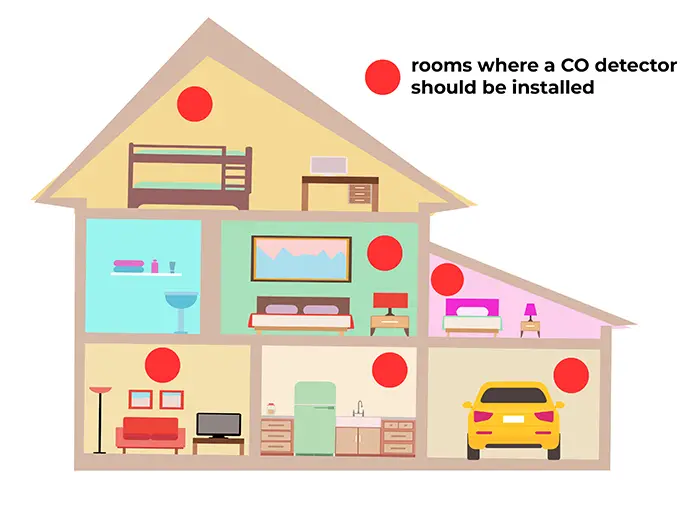
- Battery-powered: Easy to install, just stick it up! But remember to change those batteries regularly (like you do with your smoke detector – usually every 6 months when you change your clocks!).
- Hardwired with battery backup: These are wired into your home’s electrical system, so you don't have to worry about changing batteries as often, but they still have a backup just in case the power goes out. Smart, right?
Either way, make sure it’s a detector that meets UL (Underwriters Laboratories) standards. Look for the UL seal – it means it’s been tested and approved to be a reliable hero in your home.
Keeping Your CO Detector Happy and Healthy (Maintenance Matters!)
Installing it is just step one, my friend. These little guys need some love too! For landlords, the responsibility is on you to make sure they're installed. For tenants, it's typically your job to keep them working. This means:
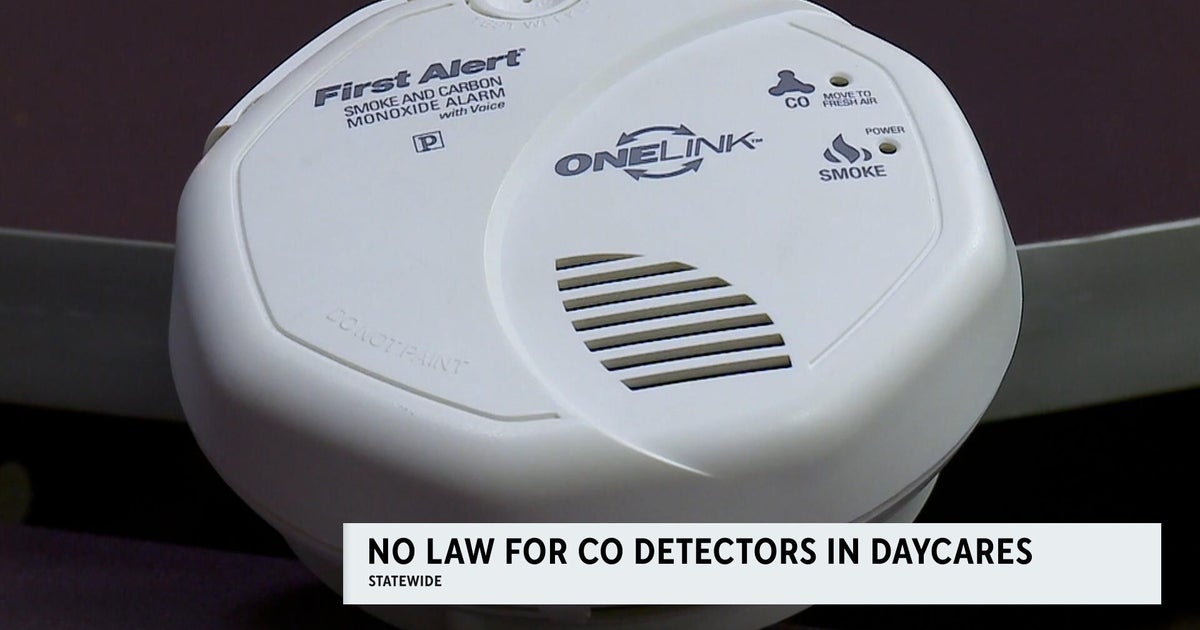
- Testing them regularly: Most detectors have a "test" button. Push it once a month! It’ll chirp loudly to let you know it’s alive and ready for action.
- Changing batteries: If it's battery-powered, swap those out twice a year. If it's hardwired with a backup, test the battery regularly and replace it as needed.
- Knowing its expiration date: Yup, these heroes don't last forever! Most CO detectors have a lifespan of about 5-7 years. After that, they start losing their superpower. Check the manufacturer's date on the back and mark your calendar for a replacement.
A little bit of attention goes a long way to ensure your detector is always on alert, ready to warn you and your loved ones. Think of it as giving your home a mini health check-up!
So there you have it! The Colorado Carbon Monoxide Detector Law, stripped of all its scary legal clothing and presented as the sensible, friendly safeguard it truly is. It's not about bureaucracy; it's about breathing easy and keeping your family safe from a preventable danger. By taking these simple steps, you're not just following a law; you're being a superhero in your own home, ensuring peace of mind for everyone under your roof.
Stay safe, stay cozy, and keep those detectors chirping happily! Here’s to a worry-free, fresh-aired Colorado life. You got this!