
Cisco Software Engineer Interview Questions
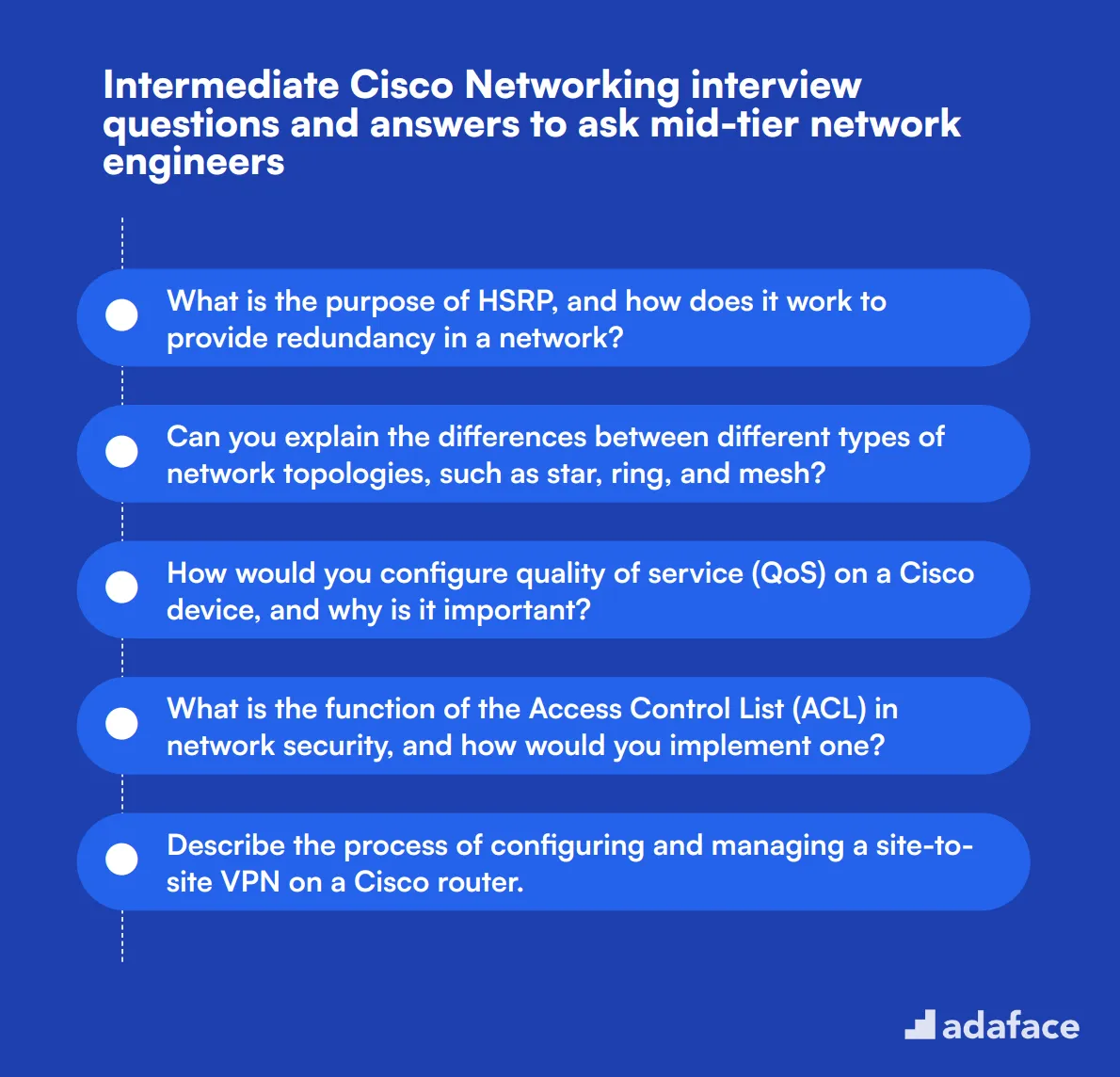
So, you're thinking about braving the Cisco Software Engineer interview gauntlet? Awesome! It's like preparing for a family holiday road trip: you think you've packed everything, but you know you've forgotten something crucial, probably the snacks.
Don't worry, we've all been there. Let's break down some common interview questions you might face, minus the crippling anxiety (hopefully!). Think of this as your emergency road trip snack stash, just in code form.
Data Structures and Algorithms: The Bread and Butter (and Veggies!)
These are the classic "tell me you know something about computers" questions. Imagine you're sorting your collection of mismatched socks. That's essentially what sorting algorithms do, but with numbers and way less emotional attachment.
Must Read
Expect questions on:
- Arrays and Linked Lists: Think of arrays as a neatly organized spice rack, and linked lists as a treasure hunt with clues pointing to the next item.
- Trees and Graphs: These are more like family trees (graphs) or decision trees (trees). Hopefully, your code trees are less complicated than figuring out who's related to whom at Thanksgiving.
- Sorting and Searching: As mentioned, sorting socks! Searching? Finding that rogue chocolate chip in your cookie dough.
- Big O Notation: This is all about efficiency. Is your code a sleek sports car or a rusty old minivan? They both get you there, but one's a lot faster (and less likely to break down).
Pro-tip: Don't just memorize the algorithms. Understand how they work, and be able to explain them in plain English. Imagine you're explaining recursion to your grandma – she doesn't care about the call stack, she just wants to know why it's calling itself!
Object-Oriented Programming (OOP): Building Blocks and Legos
OOP is like playing with Legos. You have different blocks (objects) with different properties (attributes) and actions (methods). You can combine them to build anything you want, from a spaceship to a very complicated coffee maker.
Brush up on:

- Classes and Objects: The blueprint and the actual thing you built.
- Inheritance: Your coffee maker inheriting features from a generic "appliance" class.
- Polymorphism: The ability of a single action to do different things depending on the object. Like your phone – it can take pictures, make calls, and play music.
- Abstraction: Hiding the complicated details. You don't need to know how your coffee maker heats the water, you just need to know it does.
Be ready to design a system using OOP principles. They might ask you to model a parking garage, a social media platform, or even... (gasp!) ...a sock sorting machine. Use those Lego skills!
Operating Systems and Networking: The Plumbing of the Internet
This is where things get a little more behind-the-scenes. Think of it as the plumbing of your house – you don't usually think about it until something goes wrong (like when the internet decides to take a vacation during your favorite show).
Expect questions on:
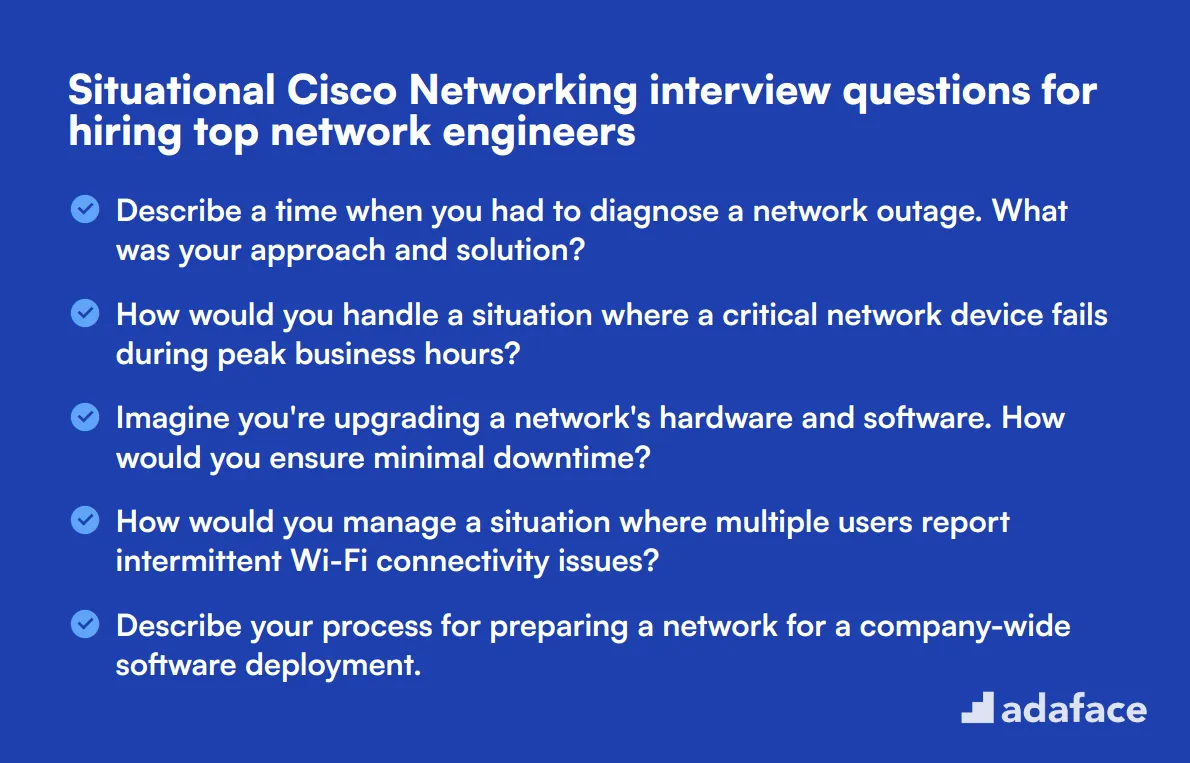
- Processes and Threads: Managing different tasks at the same time. Like juggling, but with code.
- Memory Management: Keeping track of where everything is stored. Imagine a very organized (or very disorganized) filing cabinet.
- Networking Protocols (TCP/IP, HTTP, etc.): The rules of the internet road. Like traffic signals for data packets.
- Security Concepts: Keeping the bad guys out. Think of it as a really, really strong password for your Wi-Fi.
An anecdote: I once spent an entire afternoon trying to debug a networking issue, only to realize I'd forgotten to plug in the ethernet cable. Don't be me. Double-check the basics!
System Design: The Big Picture
System design questions are about designing large-scale applications. Think of building a skyscraper versus building a birdhouse. You need to consider scalability, reliability, and security.
They'll probably ask you to design something like:
- A URL shortener (like bit.ly)
- A Twitter clone
- A video streaming service
Don't try to boil the ocean. Focus on the key components and explain your design choices. It's okay to admit you don't know everything! The goal is to show you can think critically and problem-solve.
Key takeaway: Be clear, be concise, and be confident (even if you're secretly panicking). Remember, they're not just testing your technical skills, they're also testing your ability to communicate and collaborate. Good luck, and may your code compile without errors!