
Chopin Nocturne Op.9 No.2 Sheet Music
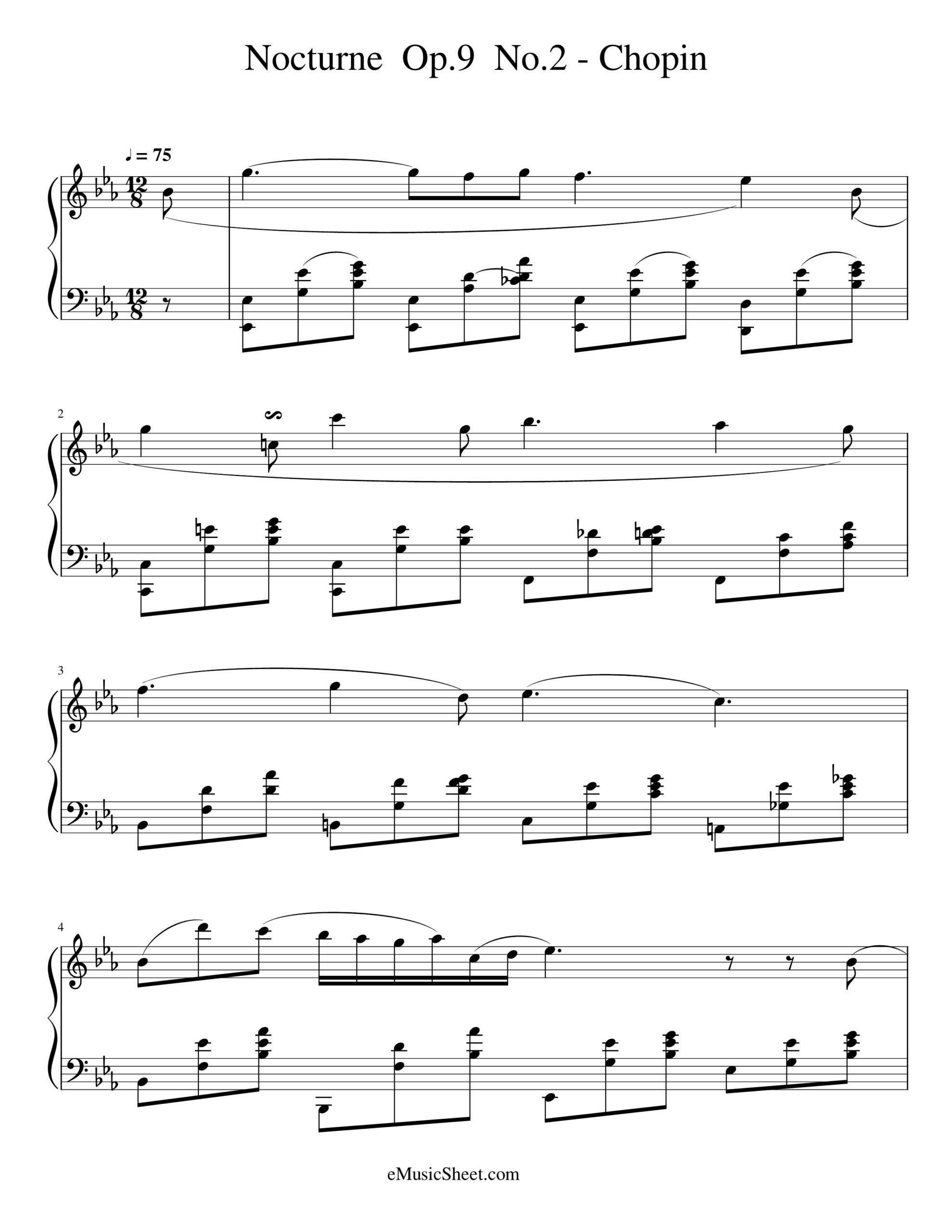
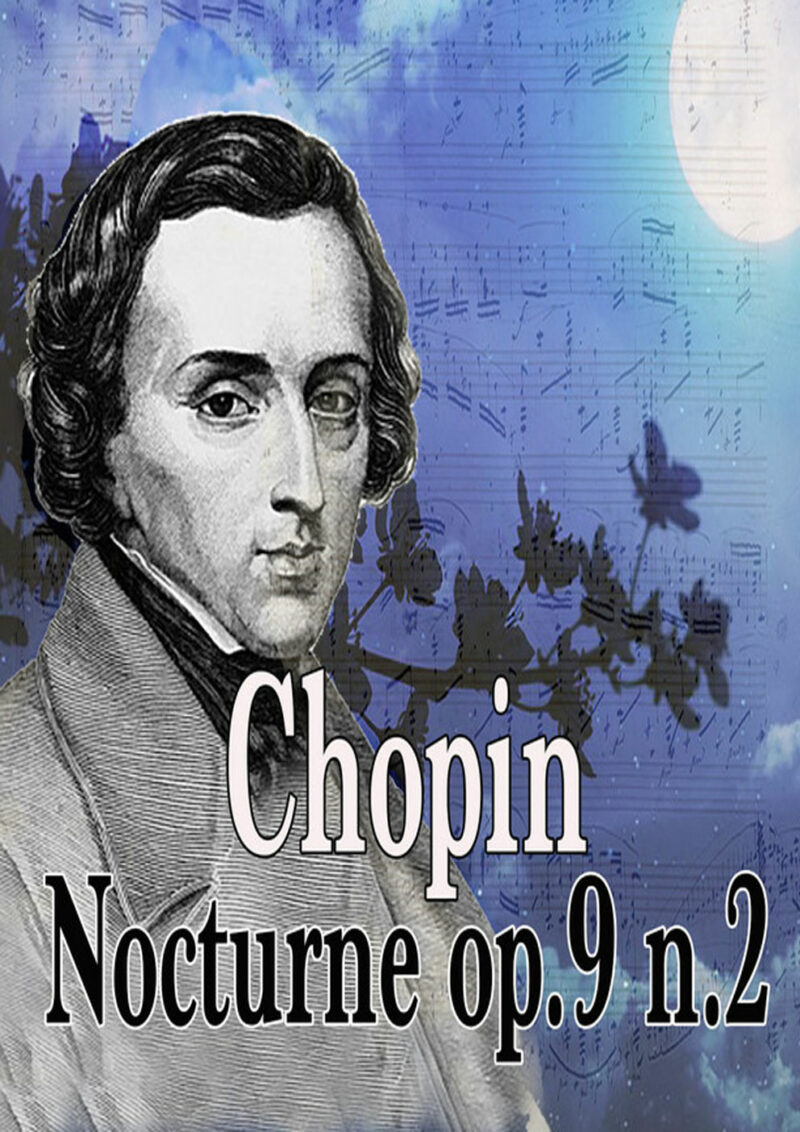
Hey there, music lover! Let's talk about a classic, a total heartthrob of the piano world: Chopin's Nocturne Op. 9 No. 2. You know the one! That super romantic, instantly recognizable tune that makes you want to swoon, sigh dramatically, and maybe buy a bouquet of lilies? Yeah, that one!
Now, if you're thinking about tackling the sheet music, good for you! You've got excellent taste. Don't worry, I'm not gonna bore you with a super technical analysis (unless you really want me to... in which case, maybe Google it? Just kidding!). We're going to chat about it like friends comparing notes (pun absolutely intended!).
So, What Makes It So Special?
Okay, first off, let's acknowledge the obvious: it's beautiful. Seriously, breathtakingly beautiful. Chopin was a master of melody, and this Nocturne is proof. It's got this gorgeous, flowing melodic line that just sings. Think of it as a love letter written in notes. A very eloquent love letter, probably addressed to a countess or someone equally fancy.
Must Read
It's also surprisingly expressive. You can really pour your heart and soul into playing it. It's not just about hitting the right notes (though that's important, obviously!). It's about shaping the phrases, adding your own personal touch, and making the music come alive. Which, let's be honest, is way more fun than vacuuming.
Diving into the Sheet Music
Alright, let's get practical. When you first look at the sheet music, it might seem a little daunting. All those notes! Those squiggly lines! Don't panic! It's not as scary as it looks. Think of it as a musical roadmap. It tells you exactly where to go, even if you sometimes feel like you're driving through a roundabout blindfolded.
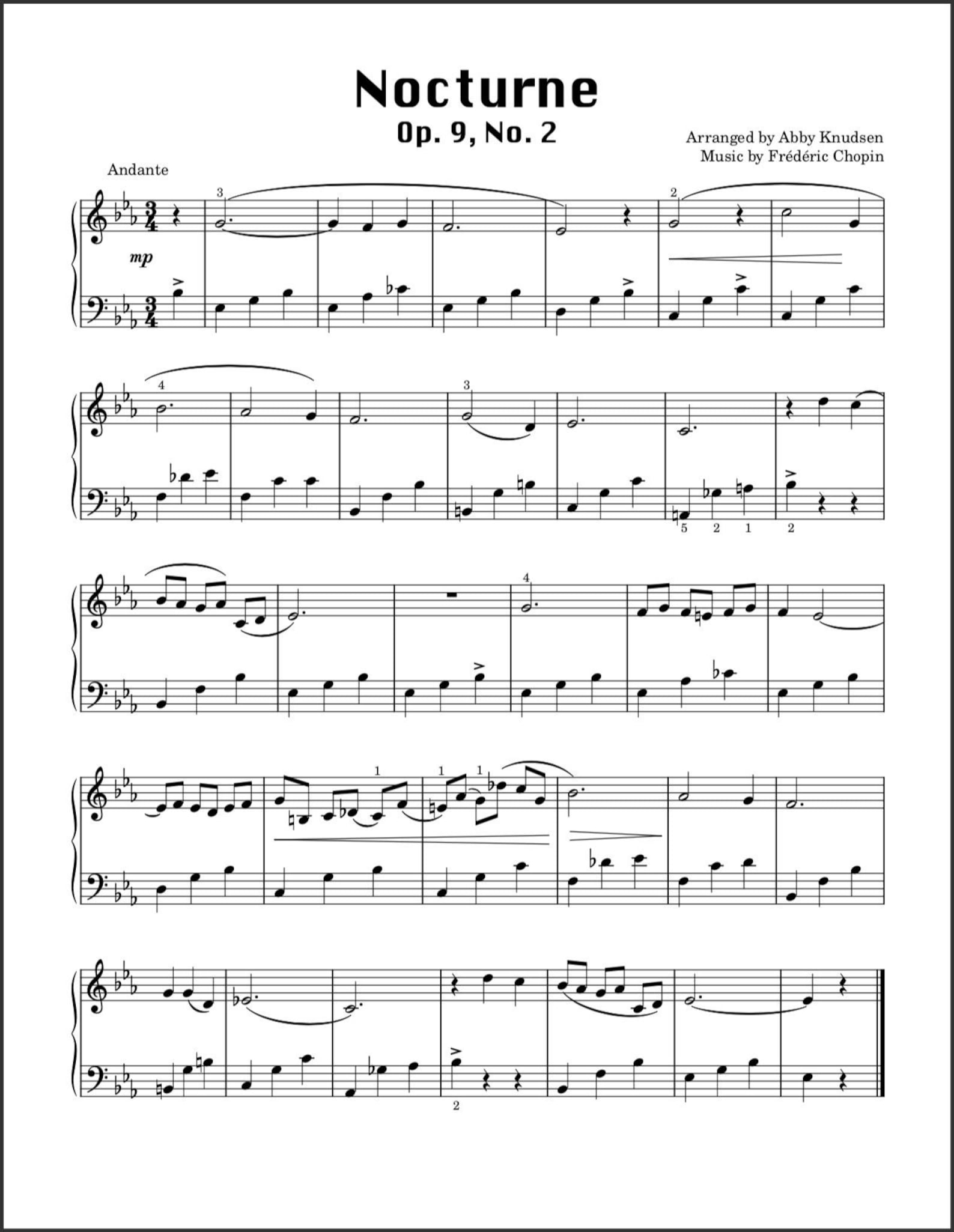
The good news is, it's not ridiculously difficult. It’s considered an intermediate piece, which means if you've been playing piano for a while, you should be able to learn it with some practice. Think of it as a musical challenge – like trying to assemble IKEA furniture without looking at the instructions. Possible, but maybe not recommended on a first date. (And please, use the instructions for the music!)
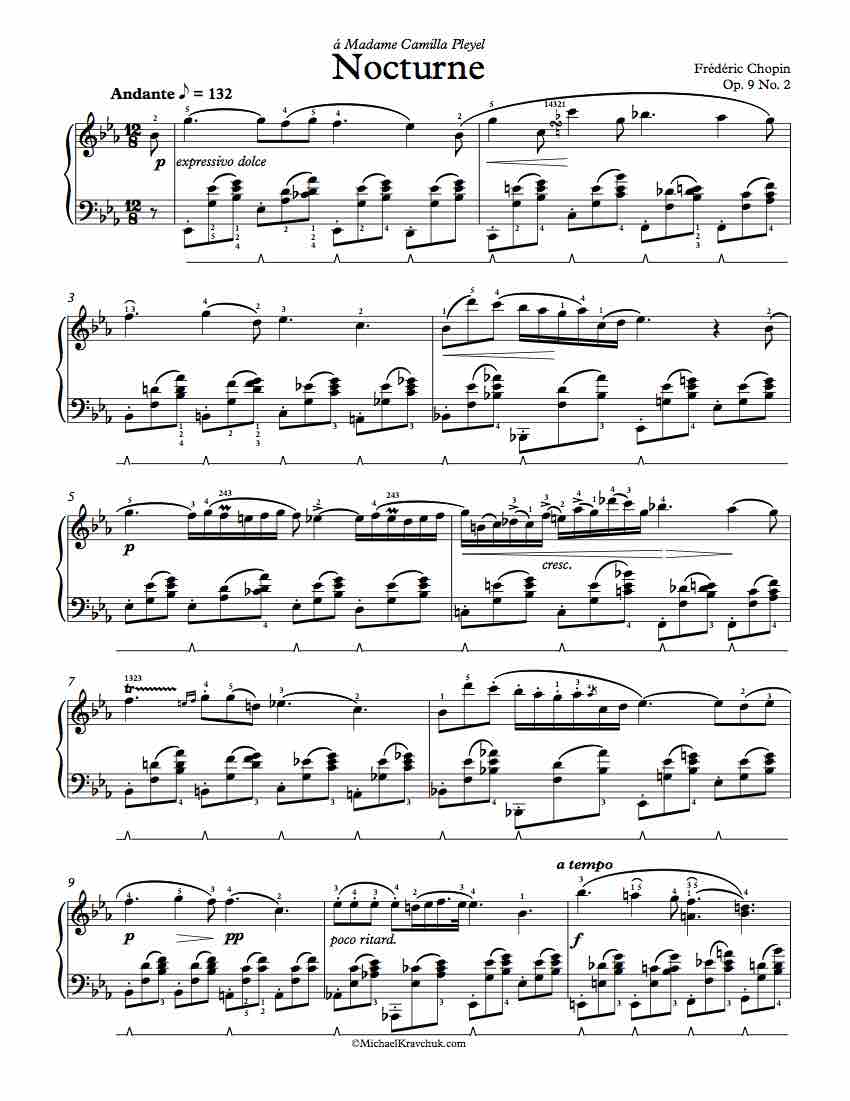
Pay close attention to the ornaments. Those little grace notes and trills are what give the piece its sparkle and charm. They're like the musical equivalent of glitter. Just don't overdo it! You want a subtle shimmer, not a disco ball. Think elegant, not obnoxious.
Also, keep an eye out for the dynamic markings. Chopin was very specific about how he wanted the music to be played – loud, soft, building, fading. These dynamic changes are what create the emotional impact of the piece. Imagine a rollercoaster of feelings, expressed through the piano. (Minus the stomach-churning drops, hopefully.)
Tips for Learning and Performing
Practice slowly! Seriously, this is the golden rule. Don't try to play it at full speed right away. Break it down into smaller sections, and master each one before moving on. It's like learning to ride a bike – you start with training wheels, and eventually you're zipping around like a pro. (Or, in my case, wobbling slightly but still managing to stay upright.)
Listen to recordings of other pianists playing the Nocturne. There are tons of great performances on YouTube and Spotify. Hearing how other people interpret the music can give you ideas for your own playing. Just don't copy them exactly – find your own voice! Think of it as a musical conversation, not a karaoke night.
Don't be afraid to experiment! Chopin wasn't afraid to push the boundaries of musical expression, so neither should you. Try different tempos, different dynamics, different interpretations. The most important thing is to make the music your own. Have fun with it! After all, it's Chopin, not calculus!
You Got This!
Learning Chopin's Nocturne Op. 9 No. 2 is a journey, not a race. There will be moments of frustration, moments of doubt, and moments where you just want to throw your hands up in the air and binge-watch Netflix. But don't give up! The feeling of accomplishment when you finally master the piece is incredible. It's like climbing a mountain and reaching the summit – only instead of a mountain, it's a piece of sheet music, and instead of a summit, it's a beautiful, timeless melody.
So go forth, grab your sheet music, and start playing! You'll be surprised at what you can achieve. And who knows, maybe you'll even become the next great Chopin interpreter! Or at least, you'll have a killer party trick. Either way, you're winning!
