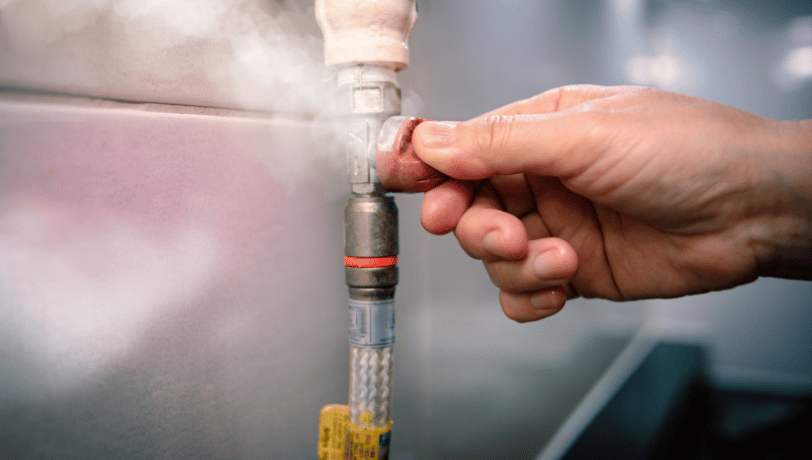
Check For Gas Leak With Lighter

Okay, let’s chat. You know how sometimes you get a little whiff, a tiny hint of something… gassy in the air? Maybe near the stove, or that old water heater in the basement? And a fleeting thought, a flicker of what seems like brilliant problem-solving, just dances across your brain? You know, the one that goes, "Hey, I need to find that leak! What’s the quickest way to see where it’s coming from?"
Hold Up, Is That a Lighter I See?
And then, because your brain, bless its cotton socks, sometimes misfires spectacularly, you might — just might — think about grabbing a lighter. Or a match. A candle, maybe? Something with a little flame, just to "check for the leak". Like you’re some kind of highly specialized gas-leak-detecting dragon, ready to breathe fire where the trouble lies. Right?
Let's just pause there for a second. Take a deep breath. Not of the gassy air, ideally. Because, my friend, if that thought has ever even touched the edges of your magnificent mind, we need to have a little intervention. A gentle, but firm, chat over imaginary coffee.
Must Read
So, You Wanna Be a Human Detector?
Picture this: You smell gas. You reach for a flame. What’s the absolute, 100% guaranteed outcome? Well, it’s certainly not going to be a polite little flicker that gently points you to the source. Oh no. What you’re signing up for is less "sleuth work" and more "unscheduled fireworks display."
Seriously, we’re talking about an outcome that could range from a rather alarming whoosh that singes your eyebrows right off your face (we’ll get to the eyebrows, trust me) to a full-on, house-shaking, "oops, where did the kitchen go?" kind of situation. Gas and open flames are like two really angry siblings who absolutely, positively, should not be in the same room together. Especially not when one of them is escaping containment!

Let's Talk About Your Eyebrows, Shall We?
Aside from the very real and incredibly serious risk of, you know, exploding your house, let's zoom in on the smaller (but still rather inconvenient) consequences. Your eyebrows. Your hair. That little fuzz on your arms. All of it stands a really good chance of becoming suddenly… shorter. Or completely absent. Imagine trying to explain that look at your next social gathering. "Oh, these? Just checking for a gas leak, darling. A very hands-on approach."
It sounds ridiculous, doesn't it? Because it is! It’s the kind of logic you’d expect from a cartoon character who has an anvil drop on their head every five minutes. Except, in real life, anvils are less likely to obliterate your entire dwelling and neighborhood. A gas leak with a lighter? That’s a real-life, very unfunny boom waiting to happen.
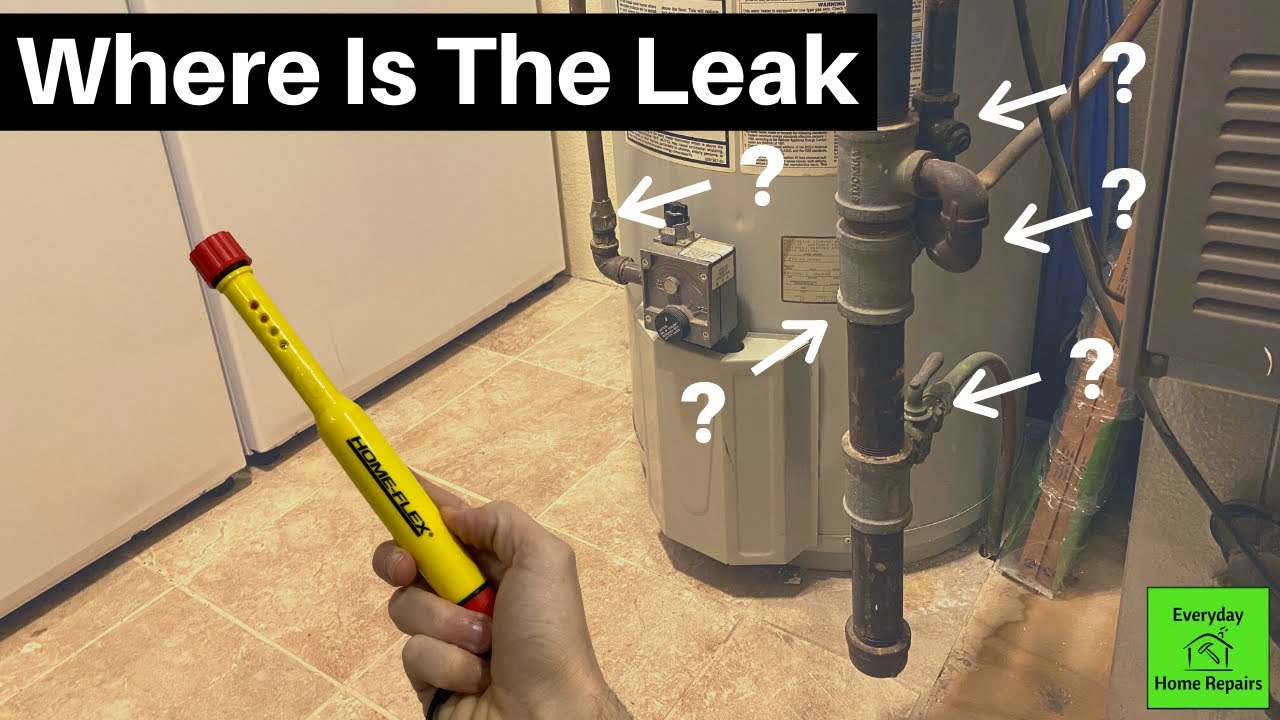
The Real Way to Sniff Out Trouble
So, what should you do if you suspect a gas leak? It’s far less dramatic, but infinitely more effective (and safe). First, use your nose. Gas companies add a distinctive, rotten-egg smell to natural gas precisely for this reason. If you smell it, trust your instincts.
Then, if you can, mix a bit of dish soap with water and apply it to suspected areas with a brush or sponge. If you see bubbles forming, bingo! That’s your leak. No fire required! But honestly, the best thing to do is to get out, turn off your main gas supply if you know how (and it’s safe to do so), and then call the professionals. Your gas company has people specifically trained and equipped to deal with this, usually for free.

Seriously, Don't Be That Guy (or Gal)
They have special detectors, folks. High-tech gadgets that don't involve flames or the potential for turning your property into a crater. These are the tools you want on the job, not your trusty Zippo. There’s a reason safety manuals don’t include a chapter titled "The Fiery Finger Test." Because it’s a terrible, horrible, no-good, very bad idea.
Think of it this way: when you’re dealing with something potentially explosive, your primary goal is to avoid anything that could trigger said explosion. A naked flame? That’s like waving a red flag at a very, very angry bull that happens to be made of highly combustible material. Just… don’t do it.
Stay Safe, My Friends!
So, next time that mischievous thought about a lighter pops into your head when you smell gas, give it a firm mental smack and send it packing. Your home, your safety, and yes, your precious eyebrows, will thank you. Common sense, a good nose, and a phone call are your best friends in this scenario. Stay smart, stay safe, and let the pros handle the fireworks… or, you know, the lack thereof.