
Cheapest Electric Company For Business
Ah, the eternal quest! Every business owner knows it. We dream of finding that magical unicorn, the absolute cheapest electric company for our bustling enterprise.
It's a noble pursuit, isn't it? Like searching for the holy grail of low utility bills. You picture stacks of cash saved, ready to reinvest or maybe even buy a fancy new office plant.
But let's be honest. The journey often feels less like a grand adventure and more like navigating a swamp full of confusing jargon and hidden fees.
Must Read
The Myth of the Single "Cheapest"
Imagine a giant billboard. It boldly proclaims: "The Cheapest Electricity Company EVER!" Wouldn't that be grand?
Sadly, in the real world, such a billboard likely only exists in our sweetest dreams. The truth is, "cheapest" is a bit of a moving target, isn't it?
It shifts like desert sands. What's cheap today might be a budget-breaker tomorrow. It depends on a million little things, from your usage to the phase of the moon.
Finding the single, undisputed cheapest electric company for business feels a lot like trying to catch smoke. It's there, but it slips through your fingers.
The energy market is a living, breathing, and sometimes very grumpy beast. Prices jump and wiggle based on fuel costs, weather, and even how many people are binging streaming shows.
So, a company that's a steal in January might be a wallet-wringer by July. It's a cruel trick of the economic universe.
Decoding the Rate Tango
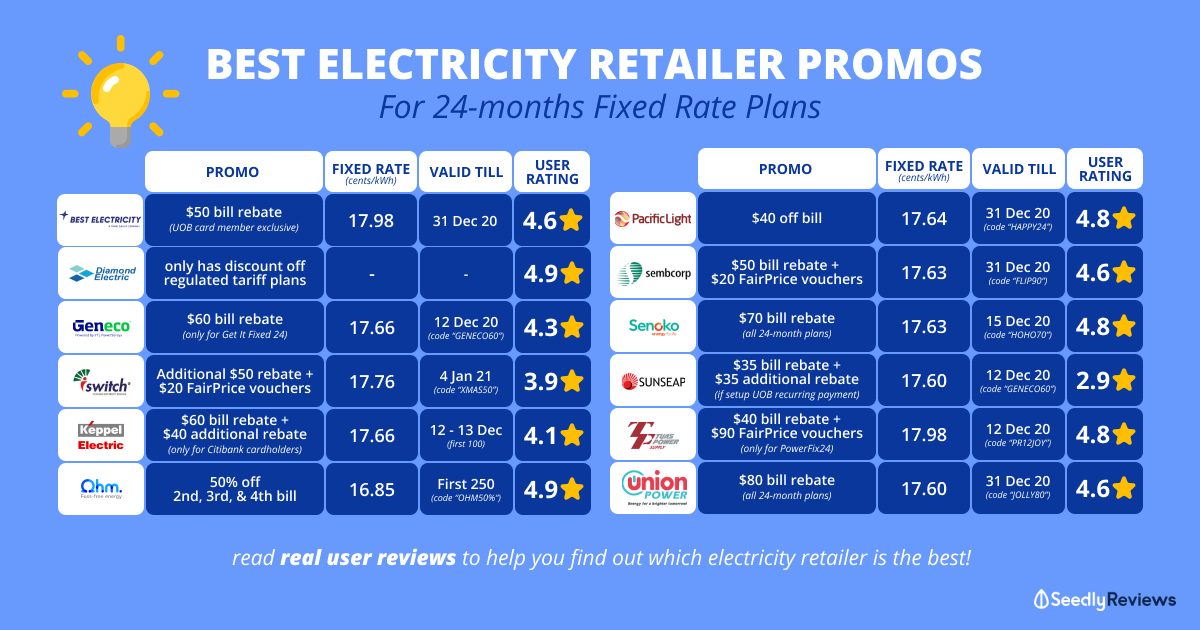
Comparing electric companies can feel like trying to solve a puzzle with missing pieces. Every provider speaks a slightly different language.
One might offer a low per kWh rate, but then sneak in a hefty demand charge. Another boasts no demand charges, but their base rate is a bit higher.
It’s like comparing apples to very different oranges, or perhaps even comparing apples to electric eels. Your head starts to spin.
"I once spent three days comparing electricity plans. I felt like I needed a degree in advanced calculus just to understand the fine print."
The dreaded fine print! Oh, how it loves to hide little surprises. Early termination fees, monthly service charges, capacity tags—the list goes on.
These tiny words can turn what looked like a fantastic deal into a barely-there saving. It’s like finding a lovely discount, only to realize the item is already broken.
So, while the advertised rate might look incredibly tempting, you have to dig deeper. Way, way deeper, sometimes with a magnifying glass and a strong coffee.
The "It Depends" Monster
Ask an energy expert which company is cheapest, and you'll often hear that frustrating phrase: "It depends." And they're not wrong, bless their hearts.
Your business's unique energy footprint plays a huge role. Do you run machinery all day? Or are you mostly a 9-to-5 office with computers and a coffee machine?
Some companies are great for businesses with steady, predictable usage. Others might be better if your energy needs spike dramatically at certain times.
Consider your contract type. A fixed-rate plan gives you stability, but you might miss out if market prices drop. A variable-rate plan can be cheaper sometimes, but also riskier.
It’s a bit like choosing between a comfy, predictable sweater and a sparkly, unpredictable lottery ticket. Both have their charms and their potential pitfalls.
The goal isn't just low cost, is it? It's about predictable cost, or cost that makes sense for your specific operation. Nobody likes financial surprises.
Beyond the Penny-Pinching
Let's talk about something truly important: not pulling your hair out. A slightly higher rate might be worth it for decent customer service.
Imagine a power outage during your busiest hour. Do you want to spend an eternity on hold, or reach a helpful human quickly? Time is money, after all.
Reliability is key. A cheap provider whose service flickers more often than a dodgy light bulb isn't really cheap at all. Downtime costs big bucks.
Some businesses also care about going green. Many companies now offer renewable energy options, perhaps at a slightly different price point.
Is paying a tiny bit more for wind or solar power important to your brand and your customers? Sometimes, values outweigh the absolute lowest number.
It's a balance, a delicate dance between your budget, your sanity, and your business's overall mission. There's more to life than just the bottom-line price.
The Unpopular Opinion (Whispered with a Grin)
Here’s the playful, slightly "unpopular" truth: maybe the cheapest electric company is a bit of a mirage. Perhaps it doesn't truly exist as a fixed entity.
Instead of chasing that elusive unicorn, maybe the real power (pun intended!) lies elsewhere. It’s not just about who you buy from, but how you use it.
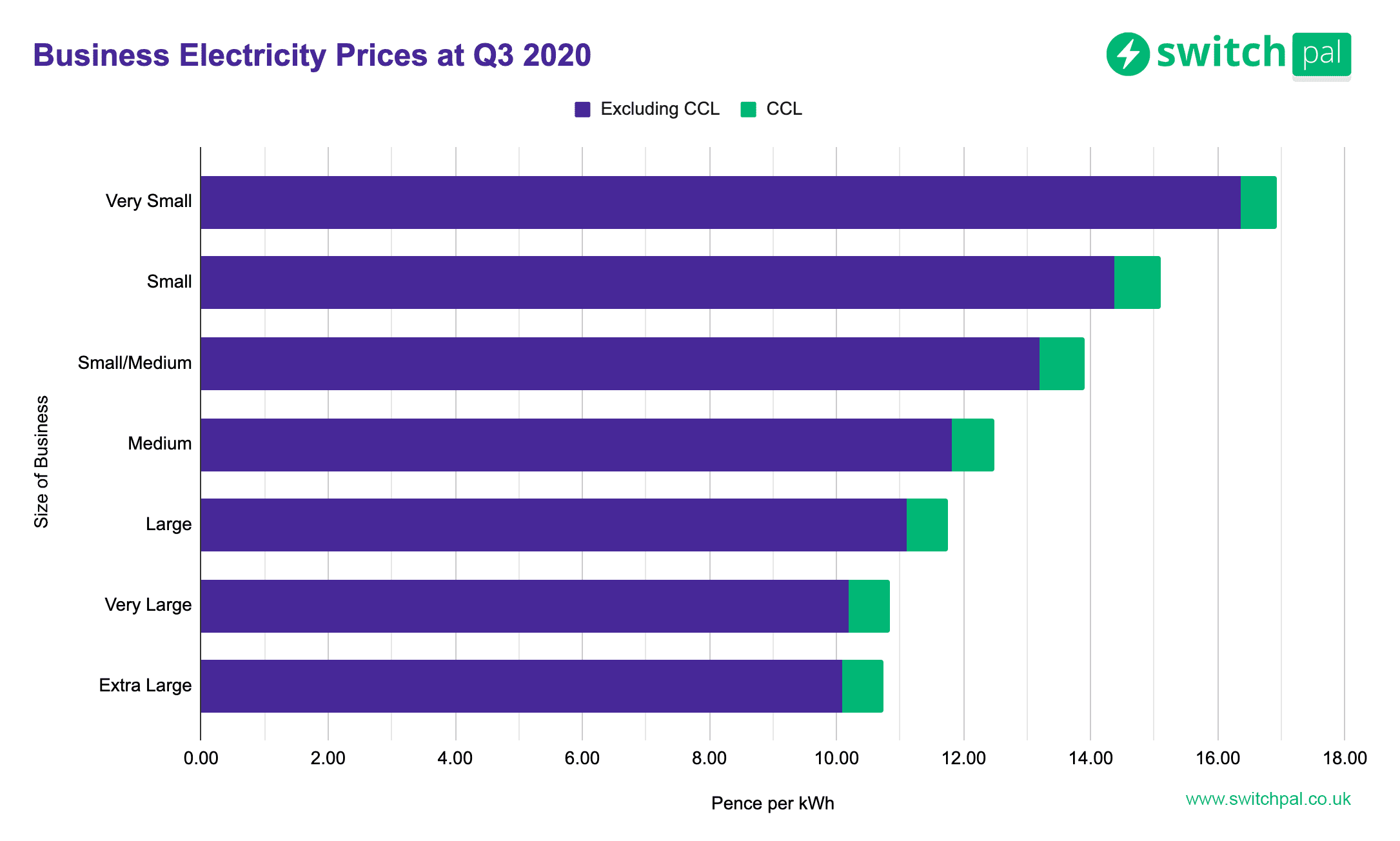
Consider your own energy habits. Are your lights on all night? Is your ancient fridge humming louder than a rock concert? Small changes can add up to big savings.
Investing in energy-efficient equipment, like LED lighting or smart thermostats, can make a huge difference. Sometimes, spending a little now saves a lot later.
Understanding your usage patterns can also help. Can you shift some high-energy tasks to off-peak hours? That might be cheaper than switching providers.
The true "cheapest" solution for your business often involves a combination of smart provider choice and smart energy management within your own walls.
So, next time you're on the hunt for the cheapest provider, take a deep breath. Remember the "it depends" monster and the fine print frogs.
Focus on finding a good value provider that fits your needs, offers decent service, and helps you keep your sanity. And maybe, just maybe, turn off a few unnecessary lights.
Your wallet (and your head) will thank you. The quest for "cheapest" might be endless, but the quest for "smarter" is always a win!