Charlotte North Carolina Crime Statistics

Ah, Charlotte, North Carolina! The Queen City, known for its vibrant downtown, delicious culinary scene, professional sports teams, and ever-growing skyline. Whether you’re considering moving to this dynamic hub, planning a visit, or simply keeping up with your hometown, one question invariably pops into mind: “What’s it like there? Is it… safe?” It’s a completely natural curiosity, and frankly, a smart one! Just like you’d check restaurant reviews before a big dinner or the weather forecast before a picnic, understanding Charlotte’s crime statistics is a way to feel informed and empowered about your surroundings. It's not about being scared; it's about being smart and prepared.
The beauty of delving into crime statistics for Charlotte isn't about morbid fascination; it's about gaining a practical, data-driven perspective that benefits your everyday life. For residents, it empowers you to make informed decisions about where you live, what routes you take, and how to best secure your home. For prospective movers, it’s an invaluable tool for weighing neighborhoods, understanding local trends, and setting realistic expectations. Think of it as a crucial ingredient in your "know your city" recipe. It helps separate sensational headlines from statistical realities, fostering a sense of awareness rather than anxiety. Ultimately, it’s about providing peace of mind through knowledge, allowing you to enjoy all the wonderful things Charlotte has to offer with greater confidence.
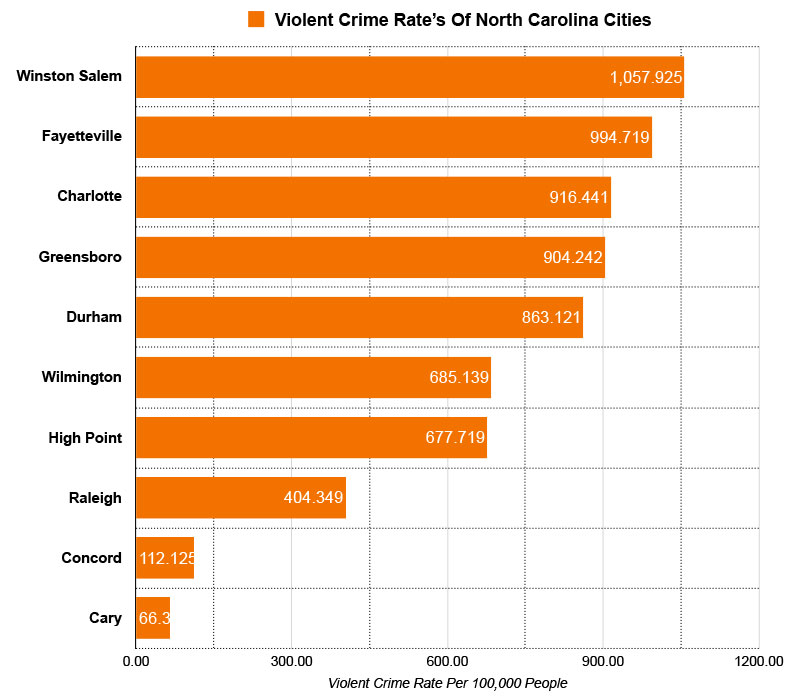
So, how do folks actually put this statistical sleuthing to use? Plenty of ways! A common scenario involves individuals or families researching crime rates by zip code or specific neighborhoods before buying a home or signing a lease. They might compare Charlotte’s overall statistics to other cities of similar size and growth, looking at categories like property crime versus violent crime. Visitors might glance at general safety trends when booking accommodations, while local business owners use the data to understand the unique challenges and needs of their operating areas. Furthermore, involved citizens often reference these statistics when advocating for community resources, supporting local law enforcement initiatives, or participating in neighborhood watch programs. It’s a foundational piece of information that helps build a safer, more engaged community.
Must Read
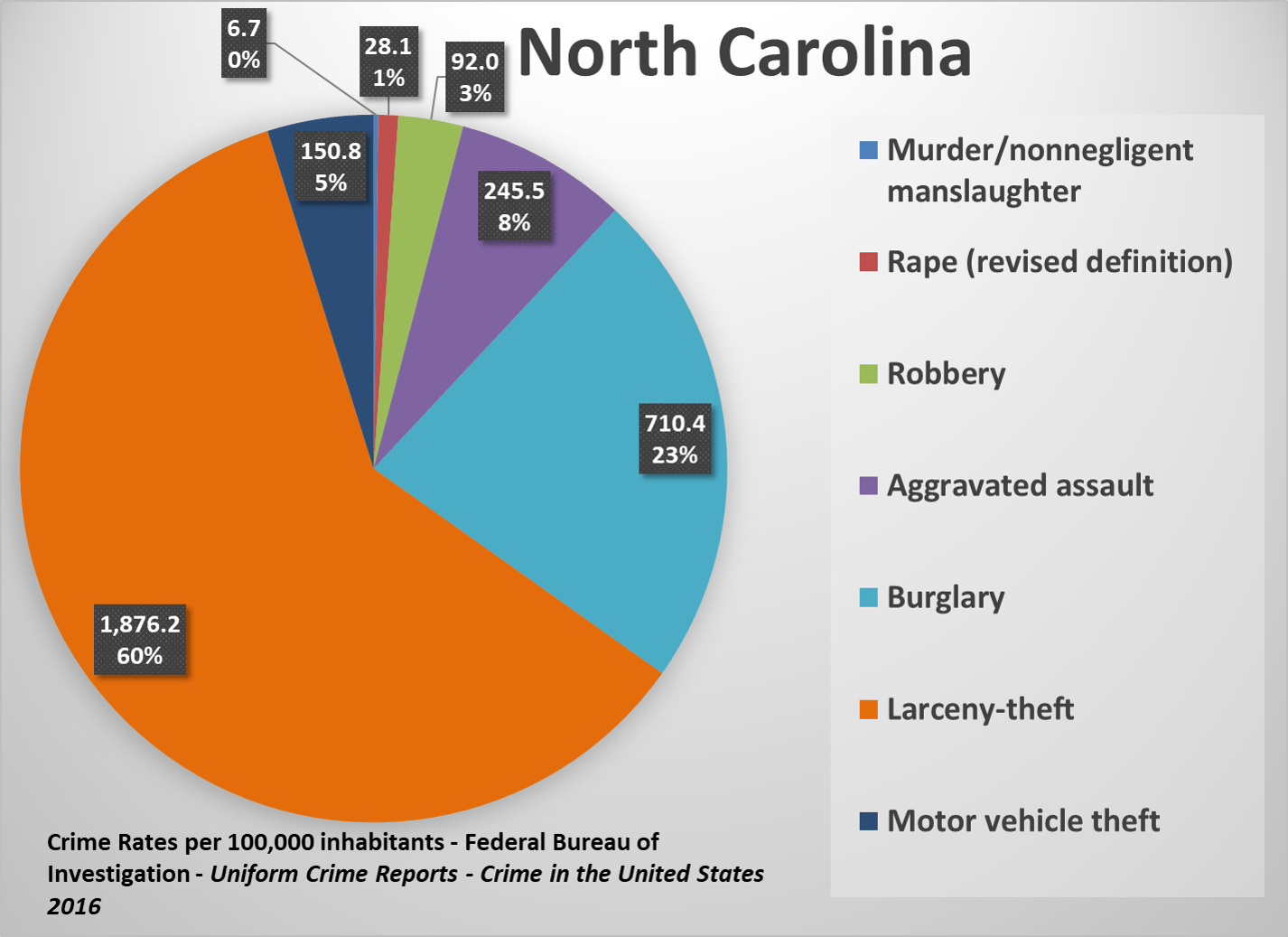
Ready to become a Charlotte crime stat connoisseur? Here are a few practical tips to make your exploration more effective and less overwhelming. First, always try to go to the source: the Charlotte-Mecklenburg Police Department (CMPD) website is your best friend for official reports and data. Second, remember that context is king. Don't just look at raw numbers; compare them year-over-year, against population growth, and per capita. An increase might be due to better reporting, not necessarily a surge in actual incidents. Third, understand the different categories – differentiate between property crimes (like theft and vandalism) and violent crimes (like assault or homicide). While property crime rates are often higher, violent crime tends to grab more headlines. Finally, use statistics as a guide, not a gospel. Combine data with local insights, community forums, and common sense safety practices. Staying informed is about empowering yourself, not succumbing to fear. Enjoy your informed Charlotte experience!