
Central Air Conditioning Unit Size Calculator
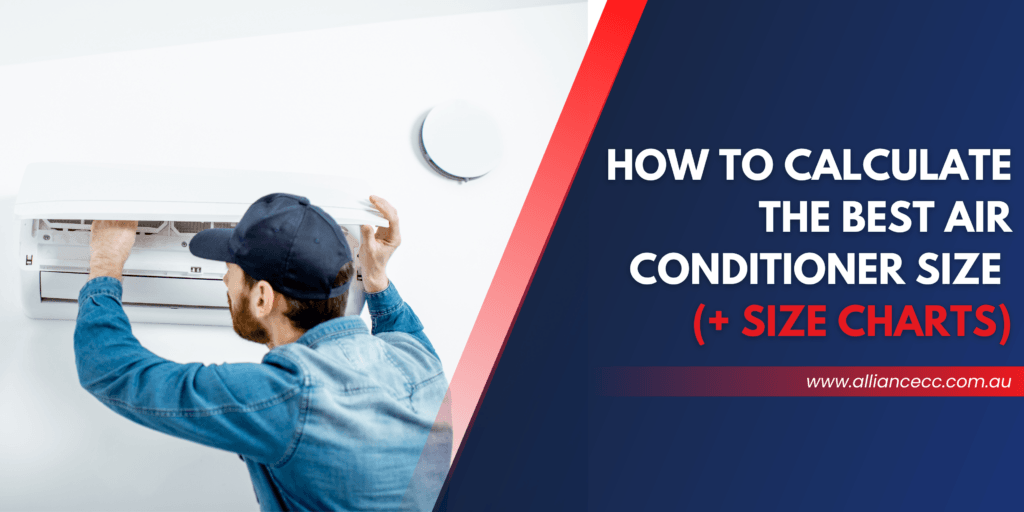
Okay, so you're thinking about a new central air unit, huh? Smart move! Especially if your current one sounds like a jet engine taking off, or, you know, just isn't keeping up with the summer heat. But here's the thing: getting the right size is crucial. Too small, and you'll be sweating through your socks. Too big, and you'll be wasting energy and potentially making your house more humid. Ironic, right?
So, how do you figure it all out? Enter the mystical (not really) world of the central air conditioning unit size calculator! Sounds complicated, I know. But trust me, it doesn't have to be. Let's break it down.
Why Size Matters (Like, Really Matters)
Think of it like this: a too-small unit will be working overtime, never quite reaching your desired temperature. Picture it: your AC is screaming at full blast, month after month. It's going to wear out faster, and your energy bills will be... well, let's just say you won't be happy. No one wants to throw money out the window, especially not with the rising price of iced lattes!
Must Read
Now, a too-big unit seems like it would be a good thing, right? More cooling power! WRONG. It'll cool your house down too quickly and then shut off. Sounds good, perhaps? But here's the catch: it won't run long enough to properly dehumidify the air. Which means you'll end up with a cold, clammy, uncomfortable house. Think of it as a swamp cooler gone wrong. No one wants to live in a swamp, do they? (Unless you're Shrek, maybe.)
The Almighty BTU: Your New Best Friend
So, how do we measure AC size? With something called a BTU, or British Thermal Unit. It's basically a measure of how much heat an AC unit can remove from a room per hour. The higher the BTU, the more powerful the AC. Simple, right? Well, mostly. You want to nail it just right, so your BTU count must match your home size.
Most calculators will ask for your square footage. But that's not the only factor! Oh no, that would be too easy. They'll also ask about:
- Climate: Are you living in the scorching desert or a mild coastal paradise?
- Insulation: Is your house well-insulated, or does it leak air like a sieve? (Be honest!)
- Windows: How many windows do you have, and are they energy-efficient? Big, sunny windows are great, but they also let in a lot of heat.
- Ceiling Height: High ceilings mean more space to cool.
- Number of Occupants: More people = more body heat. (Sorry, personal space!)
- Sun Exposure: Does your house get blasted by the sun all day long?
See? A lot to consider! But don't panic. Most online calculators will walk you through it, one step at a time. They'll basically ask you a bunch of questions and then spit out a BTU recommendation. It’s surprisingly simple, like ordering your regular coffee.
Where to Find These Calculators
You can find central air conditioning unit size calculators on the websites of most major HVAC manufacturers, retailers, and even some home improvement websites. Just Google "AC size calculator" and you'll be swimming in options. Shop around and use a couple of different calculators to get a good idea of what size you need.

Don't just blindly trust the first result! Make sure the calculator is reputable and asks for all the important factors we talked about. A good calculator will be like a really helpful store clerk, instead of just trying to sell you something quickly.
A Word of Caution (Because There's Always One)
Online calculators are a great starting point, but they're not a substitute for professional advice. Seriously. Think of it as a second opinion, and your own initial guess.

The best way to get the perfect size AC unit is to have an HVAC professional come to your home and do a proper load calculation. They'll take into account all the factors we mentioned, plus things like ductwork efficiency and the specific layout of your house. They're the experts! They'll look at your particular home and give you the most accurate recommendation possible. They are the professionals, and it is their job to make sure you are getting the right BTU. Their analysis can save you money in the long run.
So, use an online calculator to get a ballpark figure, but definitely consult with a pro before making any big decisions. Think of it as double-checking your work, because nobody wants an AC-related headache!
And that's it! You're now armed with the knowledge to conquer the world of central air conditioning sizing. Go forth and stay cool!
