Central Air Conditioning System Not Cooling
Okay, so picture this: It's a sweltering July afternoon, the kind where you can practically see the heat shimmering off the pavement. I'm inside, thinking I'm safe in my cool, air-conditioned fortress. Except...it's not cool. At all. More like a slightly less humid oven. I'm fanning myself with a magazine, wondering if I've somehow been transported to a tropical rainforest. Sound familiar? Yeah, that’s the dreaded moment you realize your central AC has betrayed you.
The sinking feeling when you realize your central air conditioning system is blowing warm air (or, worse, no air at all) is truly unparalleled. It’s right up there with discovering you’re out of coffee on a Monday morning. But don’t panic just yet! Before you resign yourself to a summer of sweat and discontent, let’s troubleshoot. There are a few common culprits behind this AC-pocalypse. And hey, maybe you can fix it yourself and save some serious cash. (Who doesn't love saving money?)
The Thermostat Tango
First things first: the thermostat. Sounds obvious, right? But you'd be surprised how many times this is the culprit. Make sure it's actually set to "cool" and not "heat" (yes, it happens, especially in spring and fall). Also, check the temperature setting. Is it significantly lower than the current room temperature? Sometimes, a tiny nudge down is all it takes to kick things back into gear. And while you're at it, check the batteries. A dead thermostat battery can cause all sorts of weirdness. Seriously, don't underestimate the power of fresh batteries!
Must Read
Filter Fiasco
Next up: the air filter. This is probably the most common reason for AC problems. A dirty air filter restricts airflow, making your AC unit work harder and less efficiently. It’s like trying to breathe through a sock. Eventually, it can cause the system to overheat and shut down completely. So, when was the last time you changed your filter? If you can’t remember, that’s your sign. Go change it. Now! You’ll thank me later. Plus, a clean filter can improve your indoor air quality. Double win!
Outdoor Unit Obstacles
Let’s head outside and take a look at the outdoor unit (the condenser). Is it surrounded by bushes, weeds, or debris? Anything blocking airflow around the unit will make it work harder and less efficiently. Clear away any obstructions to ensure proper ventilation. Think of it as giving your AC unit some breathing room. It needs to breathe to keep you cool!
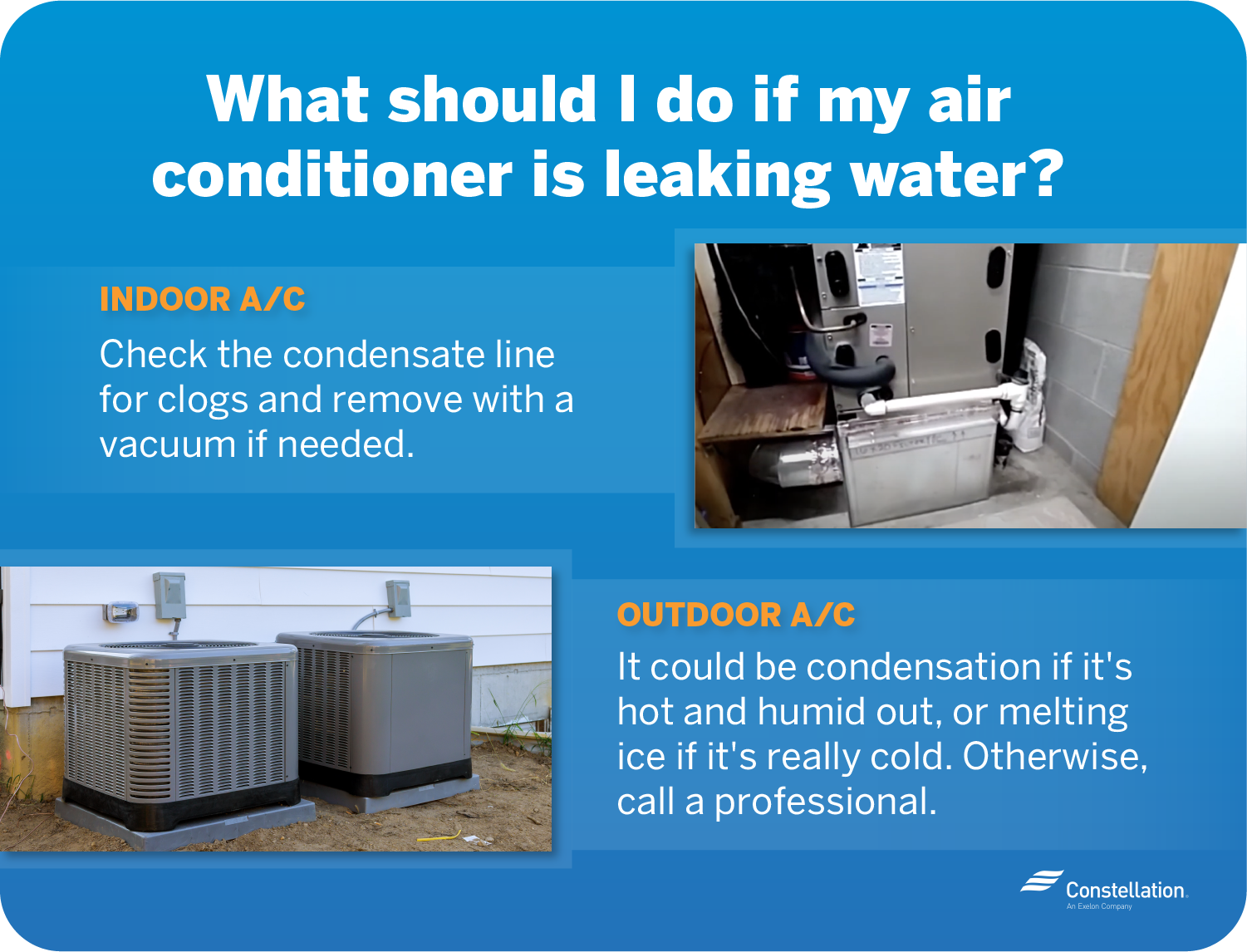
Also, check the fins on the condenser. Are they bent or damaged? Straighten them carefully with a fin comb (you can find these at most hardware stores). Bent fins restrict airflow and reduce efficiency. It’s a tedious job, but it can make a big difference.
Breaker Blues
Time to check the electrical panel. Locate the breaker for your AC unit and make sure it hasn't tripped. If it has, flip it off and then back on. Sometimes, a power surge can cause the breaker to trip. If it trips again immediately, there's likely a bigger problem and you'll need to call a professional. (More on that later.)

Ductwork Dilemmas
This one's a bit trickier to diagnose, but leaky ductwork can be a major source of energy loss and poor cooling. If you notice some rooms are significantly warmer than others, or if you hear a whistling sound coming from your vents, you might have leaky ducts. Sealing ducts is a job best left to the pros, but you can try inspecting visible ductwork for obvious tears or disconnections and seal them with duct tape (yes, duct tape is still a thing!).
Refrigerant Ruckus
If you've checked everything else and your AC is still blowing warm air, you might have a refrigerant leak. This is a serious issue that requires a qualified HVAC technician. Refrigerant is the stuff that actually cools the air, so if it's leaking, your AC won't be able to do its job. Don't attempt to handle refrigerant yourself; it's harmful to the environment and requires specialized equipment.

When to Call a Pro
Okay, so you've checked the thermostat, changed the filter, cleared the outdoor unit, and checked the breaker. If you're still sweating, it's time to call in the professionals. Don't be a hero! Trying to fix complex AC problems yourself can be dangerous and could potentially damage your system further. A qualified HVAC technician can diagnose the problem accurately and provide the necessary repairs. Things like refrigerant leaks, compressor issues, and electrical problems are definitely best left to the experts.
Hopefully, this little guide has helped you troubleshoot your AC woes. Remember, a little preventative maintenance can go a long way in keeping your system running smoothly. So, keep those filters clean, keep the outdoor unit clear, and keep cool! And if all else fails, embrace the heat and invest in a good fan. (Just kidding… mostly.)