
Cell Biology Prokaryotes And Eukaryotes Coloring Worksheet Answers
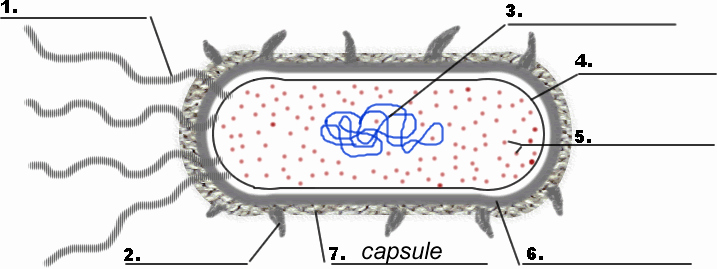
Ever feel like science class could use a little more…color? Well, buckle up, because we're diving into the amazing world of cells with a fun twist: a coloring worksheet! And not just any coloring worksheet, one that explores the epic showdown between prokaryotes and eukaryotes.
You might be thinking, "Coloring? In biology? Isn't that for kids?" Think again! This isn’t just mindless scribbling. It’s a clever way to learn about the fundamental building blocks of life. Imagine transforming a dull diagram of a cell into a vibrant masterpiece, all while absorbing essential info about what makes it tick. Suddenly, the cell isn't just a blob; it's a colorful, complex universe!
What's the Big Deal About Prokaryotes and Eukaryotes?
Okay, so why these two cell types in particular? Because they're the stars of the cellular world! Think of prokaryotes as the OG cells. They're simpler, smaller, and lack a nucleus, that fancy control center. Bacteria are the ultimate prokaryote representatives.
Must Read
Eukaryotes, on the other hand, are the evolved, sophisticated cells. They have a nucleus, which houses their DNA, and other cool compartments called organelles. Animals, plants, fungi – they're all made of eukaryotic cells. Pretty impressive, right?
And here's where the coloring worksheet comes in! By coloring in the different structures of a prokaryotic and eukaryotic cell, you’re visually reinforcing their key differences. It's like creating your own cheat sheet, only way more fun!

Why Coloring Makes a Difference
Let's be real, staring at diagrams and reading dense textbooks can be a bit… snooze-worthy. But coloring? It's engaging! It activates different parts of your brain, helping you process and retain information more effectively. Plus, it’s a great way to relieve stress and tap into your inner artist. Who knew learning about cell biology could be so therapeutic?
With a prokaryotes and eukaryotes coloring worksheet, you're not just memorizing facts; you're building a visual understanding. You're associating specific colors with specific cell parts, which makes it easier to recall them later. For example, maybe you decide the nucleus is always royal blue. Every time you see a nucleus, you'll instantly remember its function because of that color association.

Think of it as a secret weapon in your biology arsenal. Instead of dreading the next cell biology quiz, you can confidently face it, armed with your colorful creations and a solid understanding of prokaryotes and eukaryotes.
Beyond the Worksheet: Exploring the Answers
Now, let's talk about the answers. After you've poured your heart and soul (and your colored pencils) into completing the worksheet, checking your answers is crucial. It’s where you solidify your understanding and identify any areas where you might need some extra review.
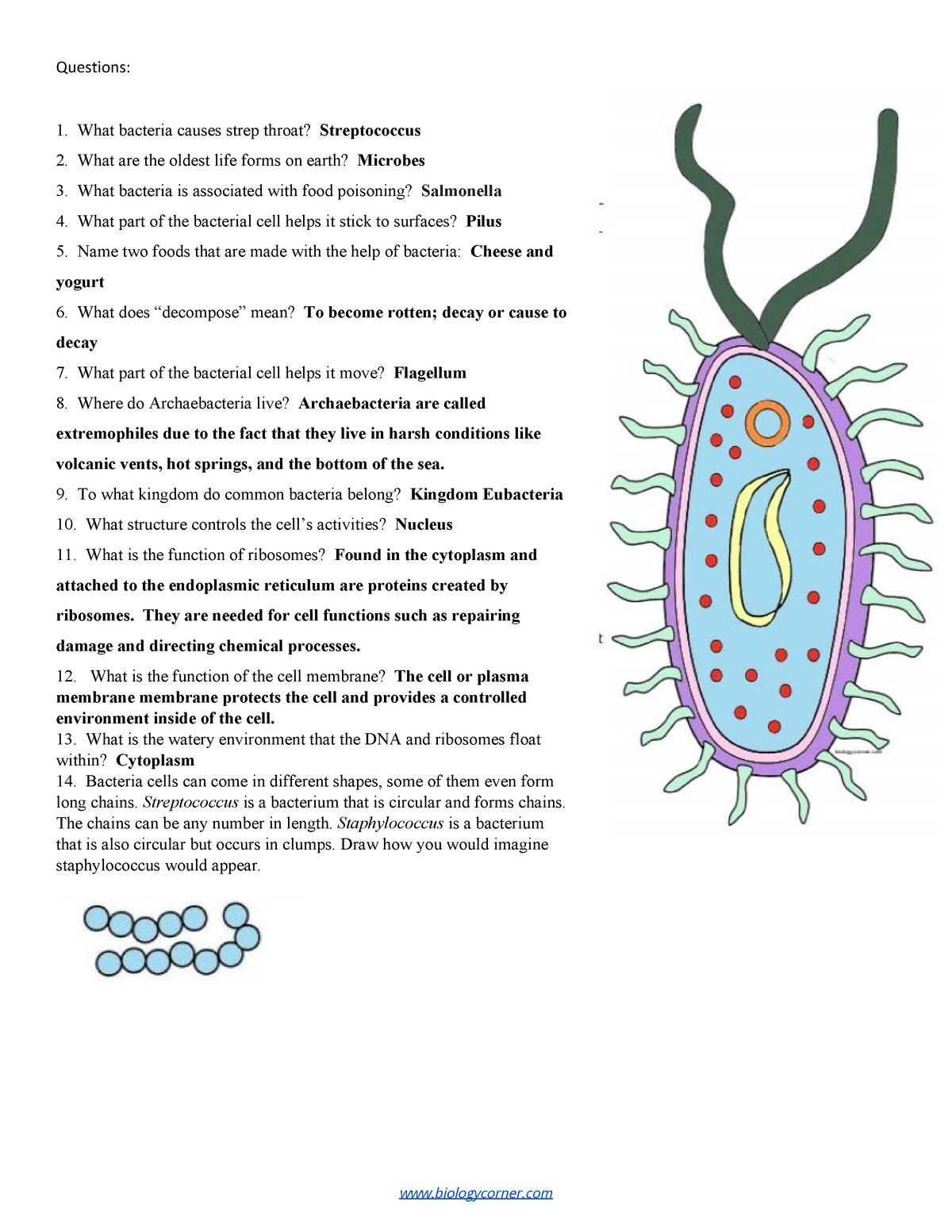
And here's a little secret: looking up the answers doesn't have to be a chore! Consider it an opportunity to delve even deeper into the world of cells. Research the functions of each organelle, explore the evolutionary history of prokaryotes and eukaryotes, or even watch some cool videos that bring these cells to life.
Plus, comparing your colored creations with accurate diagrams can be surprisingly rewarding. Did you correctly identify the ribosomes in the prokaryotic cell? Did you accurately depict the mitochondria in the eukaryotic cell? Pat yourself on the back for a job well done!
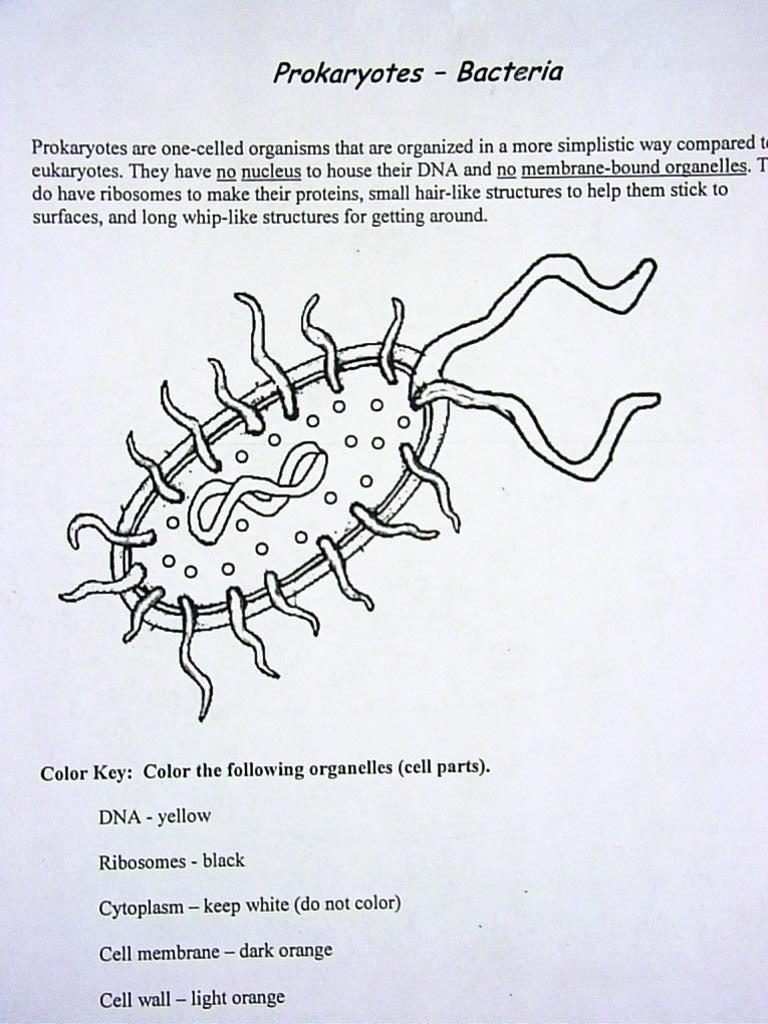
Ultimately, the prokaryotes and eukaryotes coloring worksheet is more than just a fun activity. It's a tool that can transform the way you learn about cell biology. It's a chance to engage your creativity, reinforce your understanding, and discover the beauty and complexity of the microscopic world.
So, the next time you're feeling overwhelmed by science, remember the power of coloring. Grab a worksheet, unleash your inner artist, and prepare to be amazed by the incredible world of cells!
Who knows, you might just discover a newfound love for biology. And it all starts with a little bit of color!