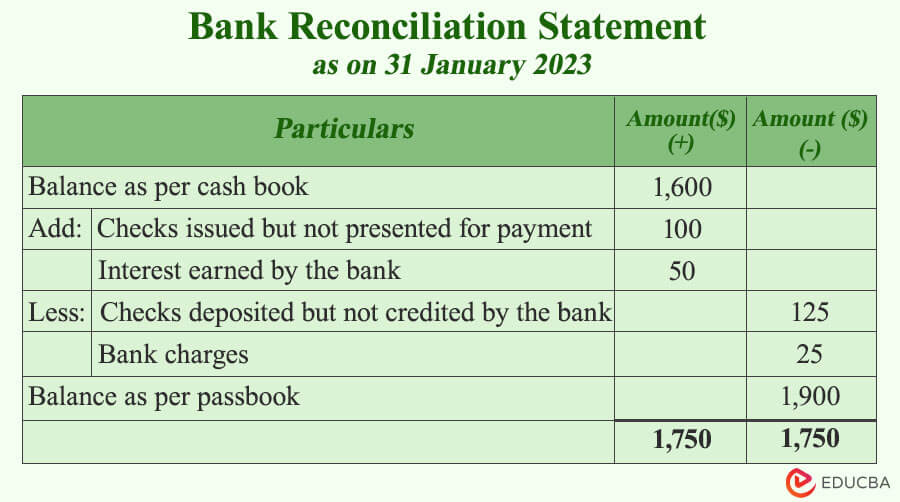
Cash Reconciliations Can Be Tested Via

Ever feel like your money is playing hide-and-seek? One minute it's there, the next...poof! That's where cash reconciliations come in. Think of them as your financial detectives, making sure your bank statements and your own records are telling the same story. And guess what? You can actually test these reconciliations to make sure they're doing their job properly. Don't worry, it's not as scary as it sounds. Let's break it down with a side of pop culture.
So, what are we talking about when we say "testing cash reconciliations?" It's essentially a process of verifying that the reconciliation is accurate and complete. You're checking the checker, if you will. Imagine you're auditing Batman's utility bill. You wouldn't just take Alfred's word for it, right? You'd double-check those receipts for the Batcave's electricity.
Why Bother Testing?
Because discrepancies can happen! Maybe there's a typo somewhere, a transaction that got recorded twice, or even (gasp!) something more nefarious. Untested reconciliations are like unchecked luggage at the airport – they could contain anything! Regular testing helps prevent errors, fraud, and keeps your financial house in order. Think of it as preventative medicine for your bank account.
Must Read
Easy Ways to Test Cash Reconciliations
Here are a few approachable ways to test those reconciliations, even if you're not a certified accountant:
- Independent Verification: This is classic. Have someone other than the person who prepared the reconciliation review it. A fresh set of eyes can catch mistakes easily. It’s like asking a friend to proofread your text before you send it.
- Tracing Transactions: Pick a few transactions from the bank statement and trace them back to your internal records (and vice versa). Did that $25 coffee shop charge actually go through? Did that invoice payment get recorded correctly? It's like following the breadcrumbs to find the gingerbread house.
- Recalculation: Manually recalculate key figures in the reconciliation. Did they add everything up correctly? It’s basic math, but sometimes basic is best. Humans make errors!
- Cutoff Testing: This involves examining transactions near the end of the reporting period (like the end of the month). Were they recorded in the correct period? Making sure transactions are recorded in the correct time period is important.
- Looking for Unusual Items: Scrutinize the reconciliation for anything that looks out of the ordinary. A huge unexplained deposit? An unusually large withdrawal? These could be red flags that warrant further investigation. Think of it as your Spidey-sense tingling.
Tips and Tricks for Reconciliation Testing
Okay, so how do you make this process smoother?
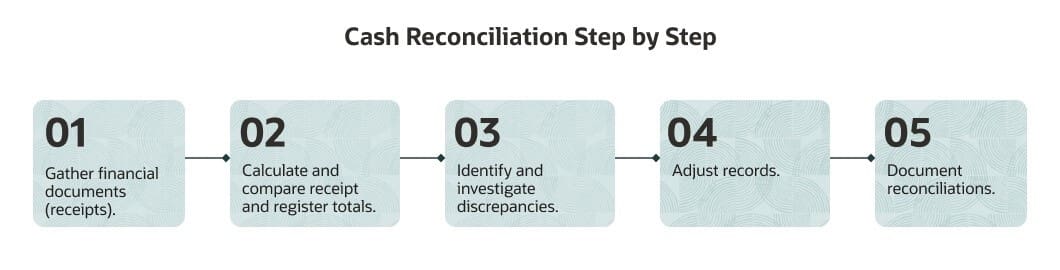
- Document Everything: Keep a record of your testing procedures and findings. This creates an audit trail and helps you identify trends over time.
- Focus on High-Risk Areas: Concentrate your testing efforts on areas where errors are more likely to occur, like high-volume transactions or accounts with a history of discrepancies.
- Be Consistent: Test reconciliations regularly, not just when you think there might be a problem. Consistency is key to catching issues early.
Cultural Interlude: Reconciliation in Life
Reconciliation isn't just about money. It's a concept that resonates in various aspects of life. Think about resolving conflicts in relationships. You need to understand the different perspectives, identify the discrepancies, and work towards a resolution. Just like in finance, communication and honesty are key!
Fun Fact!
Did you know that the word "reconcile" comes from the Latin word "reconciliare," meaning "to bring together again"? Apt, isn't it?
So, there you have it. Testing cash reconciliations isn't just for bean counters. It's a practical skill that can help you stay on top of your finances and give you peace of mind. By taking a proactive approach, you can ensure that your money is where it's supposed to be and that your financial records are accurate and reliable.
Ultimately, testing these reconciliations can give you a sense of security and confidence in knowing where your money is going. It's like knowing you locked the door before you left the house – a small act that makes a big difference in your peace of mind.