
Carbon Monoxide Versus Carbon Dioxide
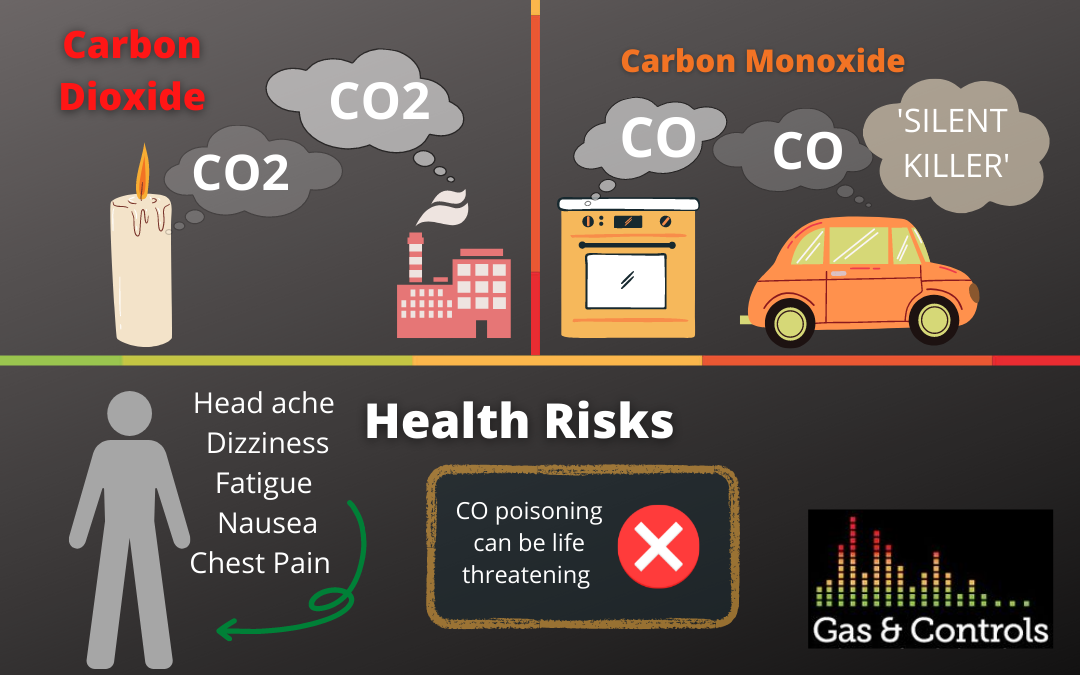
Ever stopped to ponder the air we breathe, the stuff that makes life, well, life? It’s full of all sorts of amazing tiny particles doing their thing. And among the most talked-about, or perhaps, most misunderstood, are our two carbon-based cousins: Carbon Monoxide and Carbon Dioxide. They sound so similar, don't they? Just a tiny difference in name, but oh boy, what a world of difference in their personalities and impact!
Let's dive into these fascinating molecules, not with a textbook glare, but with the curiosity of someone peering into a really cool, tiny universe.
Meet Carbon Dioxide (CO2): The Ubiquitous & Essential Friend
First up, Carbon Dioxide, or as chemists like to abbreviate it, CO2. This guy is everywhere, and for good reason! It's practically the celebrity of the carbon world. You're exhaling it right now. Plants are practically throwing parties for it, gobbling it up for photosynthesis to give us oxygen in return. Pretty sweet deal, right?
Must Read
Think about a crisp, fizzy soda. That’s CO2 giving it its sparkle! Those tiny bubbles making your nose tingle? Yup, CO2. It’s a natural part of our atmosphere, a crucial player in Earth's thermostat, keeping things warm enough for us to thrive. Without CO2, our planet would be a frozen wasteland. It's truly an unsung hero of the natural world.
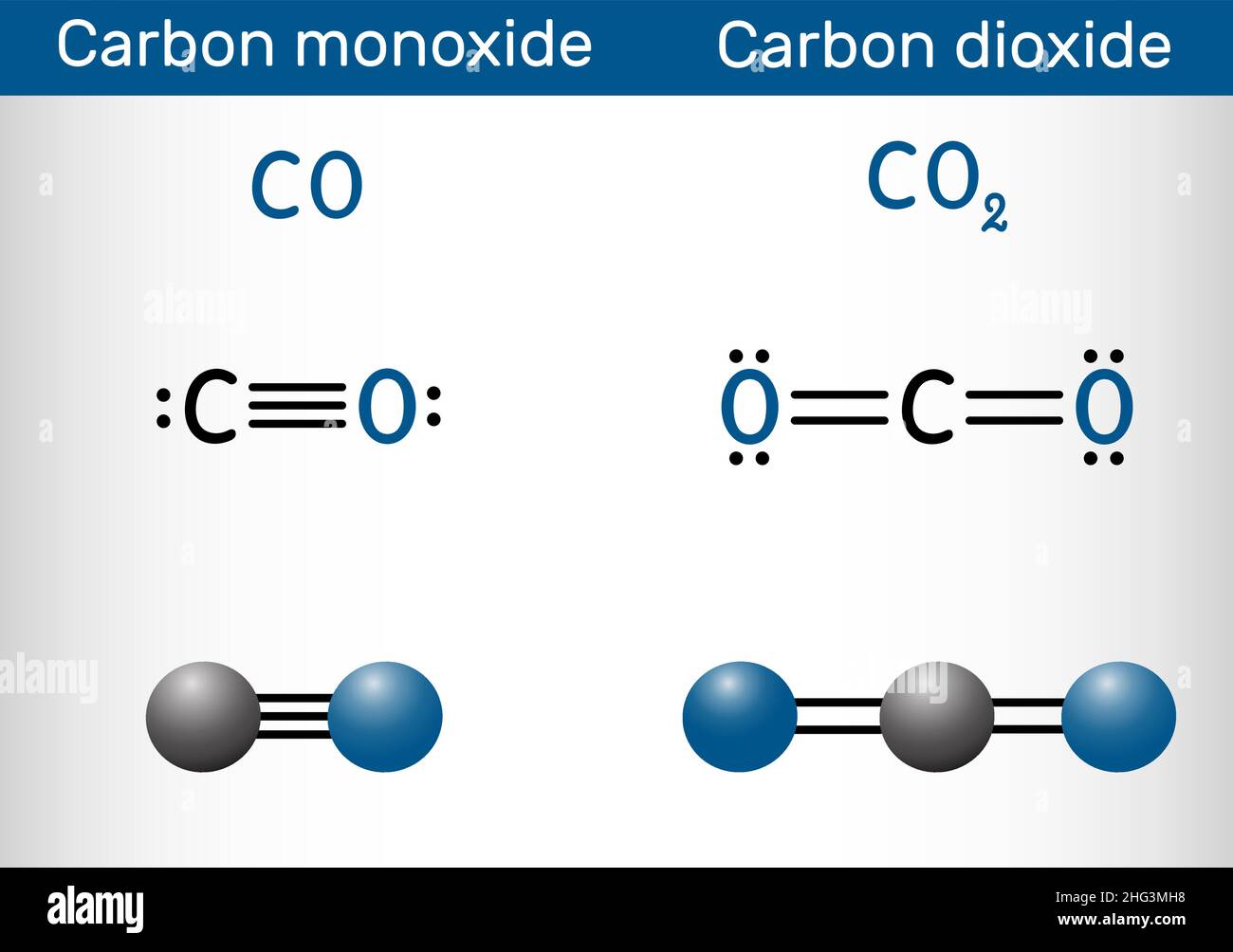
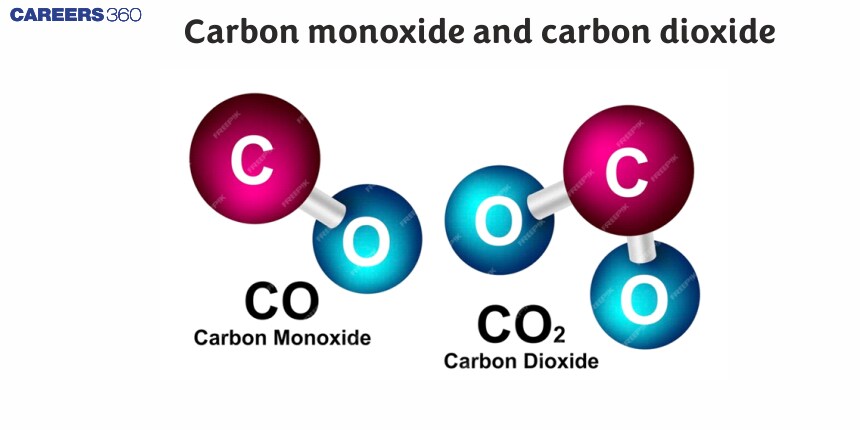
Structurally, imagine a carbon atom in the middle, holding hands with two oxygen atoms – one on each side. It’s a balanced, stable molecule, quite content with its two oxygen buddies. It’s like the reliable, slightly bulky friend who's always there, doing its job. It's generally non-toxic at normal atmospheric levels, though, like anything, too much of a good thing can cause problems (hello, climate change discussion!). But on its own, it’s a friendly face in the molecular crowd.
Now, Carbon Monoxide (CO): The Sneaky Trickster
And then there’s its sibling, Carbon Monoxide, or just CO. Notice that tiny difference? Just one oxygen atom instead of two. You'd think such a small change wouldn't matter much, right? Wrong! This single missing oxygen atom transforms CO into a completely different beast. If CO2 is the reliable friend, CO is the charming, but incredibly dangerous, trickster.
CO is produced when carbon-based fuels (like wood, gas, coal, or oil) don't burn completely. Think about a faulty furnace, a blocked chimney, or a car left running in an enclosed space. Instead of getting enough oxygen to form stable CO2, the combustion process gets cut short, creating CO.
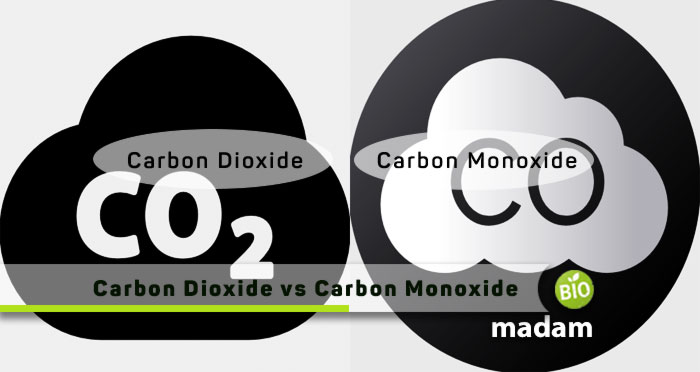
Here’s the scary part: CO is colorless, odorless, and tasteless. You can’t see it, you can’t smell it, you can’t taste it. It truly is the "silent killer." How often do we encounter something so potent, yet so utterly undetectable by our senses? It’s almost like a molecular ninja!
The Big Difference: Just One Little Oxygen Atom
So, why is CO so dangerous, especially compared to its harmless-at-normal-levels cousin? It all comes down to that missing oxygen atom and what it does to the molecule's desire to bond.
Our bodies are constantly relying on red blood cells to ferry oxygen from our lungs to every other part of us. The hemoglobin in our blood is designed to pick up oxygen and drop it off where needed. But here's the kicker: hemoglobin is incredibly good at binding to CO. In fact, it's about 200-250 times better at grabbing onto CO than it is at grabbing oxygen!
Imagine your blood cells as a fleet of tiny taxis, each with a specific space for an oxygen molecule. When CO is present, it's like a VIP suddenly pushing its way to the front of the line, taking all the taxis, and refusing to let go! So, even a small amount of CO in the air can quickly overwhelm your blood's ability to carry life-giving oxygen, leading to suffocation at the cellular level. Yikes!
This is why we have carbon monoxide detectors in our homes. They're not just fancy gadgets; they're essential guardians, constantly sniffing out this invisible danger and alerting us before it’s too late. They detect something our own senses simply cannot.

A Tale of Two Structures, A World of Difference
It's fascinating, isn't it? Two molecules, both built with carbon and oxygen, yet one is a vital component of life and the environment, while the other is a stealthy and lethal threat. It’s a perfect illustration of how chemistry works: tiny structural differences can lead to monumental changes in behavior and impact.
CO2, with its two oxygen atoms, is like a well-rounded, stable individual. CO, with just one oxygen, is an eager beaver, desperately looking for another atom to bond with and complete its electron shells, making it super reactive – and in our bodies, super dangerous.
So, the next time you see "CO2" or hear "carbon monoxide," take a moment to appreciate the incredible story these molecules tell. It's a tale of chemical structure, reactivity, and the profound ways that the microscopic world influences our everyday lives. From keeping plants alive to silently threatening our safety, these two cousins prove that in the world of atoms, a single oxygen atom can make all the difference!