
Carbon Monoxide Poisoning From Stove

Our Sneaky Kitchen Companions
We all have one. That faithful, often greasy, friend in the kitchen.
Your stove. It whips up pasta. It sizzles bacon. What a pal!
We invite it into our homes, right next to the fridge.
Must Read
We give it prime real estate. Center stage for all our culinary adventures.
But here's a thought, maybe an unpopular opinion.
What if our beloved stoves had a secret life?
A tiny, almost imperceptible dark side? A mischievous streak?
It’s not plotting world domination, thankfully. Just a little domestic rebellion.
It's the kind of rebellion you only discover when it's almost too late.
The Invisible Houseguest
Imagine a guest who never RSVP'd. They just show up.
This guest is completely invisible. No fancy clothes, no loud laughter.
They sneak in. You wouldn't even know they're there. That's our pal, Carbon Monoxide.
Let's call him CO for short. He's quite the trickster.
He's not a ghost. He's not a monster under the bed. He's just... sneaky gas.
He doesn't ring the doorbell. He doesn't knock. He simply enters.
And sometimes, our friendly stoves accidentally invite him over.
It’s not malice. It’s more like a clumsy mistake. A quiet oversight.
This unwanted guest can make you feel sleepy. Then a bit dizzy.
He aims to make you confused. He’s truly a master of subtle disruption.
Stoves and Their Secret Emissions
Most of the time, our gas stoves are perfectly behaved. They burn gas cleanly.
They produce lovely flames. They make food edible. Hooray for stoves!
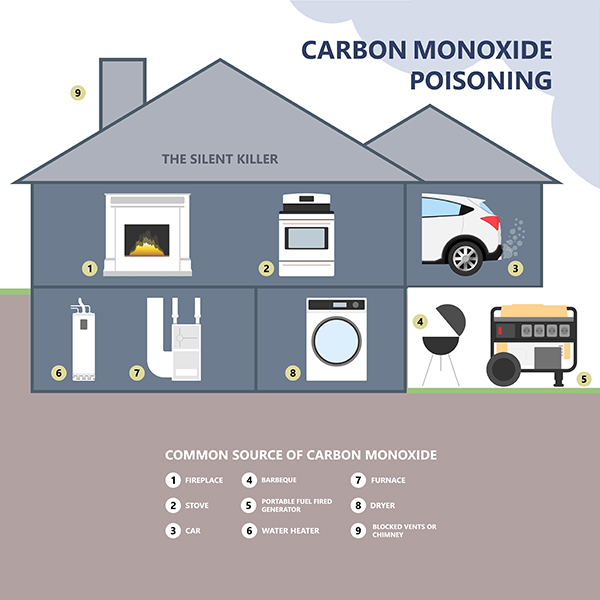
But sometimes, things get a little wonky. Maybe a burner is clogged.
Perhaps the ventilation isn't quite right. Our stoves are not always perfect.
When gas doesn't burn completely, CO can slip out.
It's like a tiny, unwanted byproduct. A little "oops" from your appliance.
This isn't your stove being evil. It's just a bit... inefficient. A bit clumsy.
And CO, being the opportunist, takes full advantage.
It drifts into your kitchen. Then your living room. Maybe even your bedroom.
Still invisible, still odorless, still tasteless. Very rude of CO, really.
He doesn't bring a housewarming gift. Only trouble.
A poorly maintained appliance is like an open invitation. "Come on in, CO!"
We trust our appliances so much. Maybe too much, sometimes.
The Art of Forgetting
Here’s another unpopular opinion: we humans are sometimes forgetful.
We leave the kettle on. We misplace our keys. We forget why we walked into a room.
Sometimes, we leave a burner on low. Or the oven door slightly ajar.
Not on purpose, of course. Just life happening. A momentary lapse.
And that's often when CO throws his little party.
A gas stove, even on low, without proper ventilation can be a problem.
We assume everything is fine. "It's just a little flame," we think.
But that little flame, if starved of oxygen, can produce quite a bit of CO.
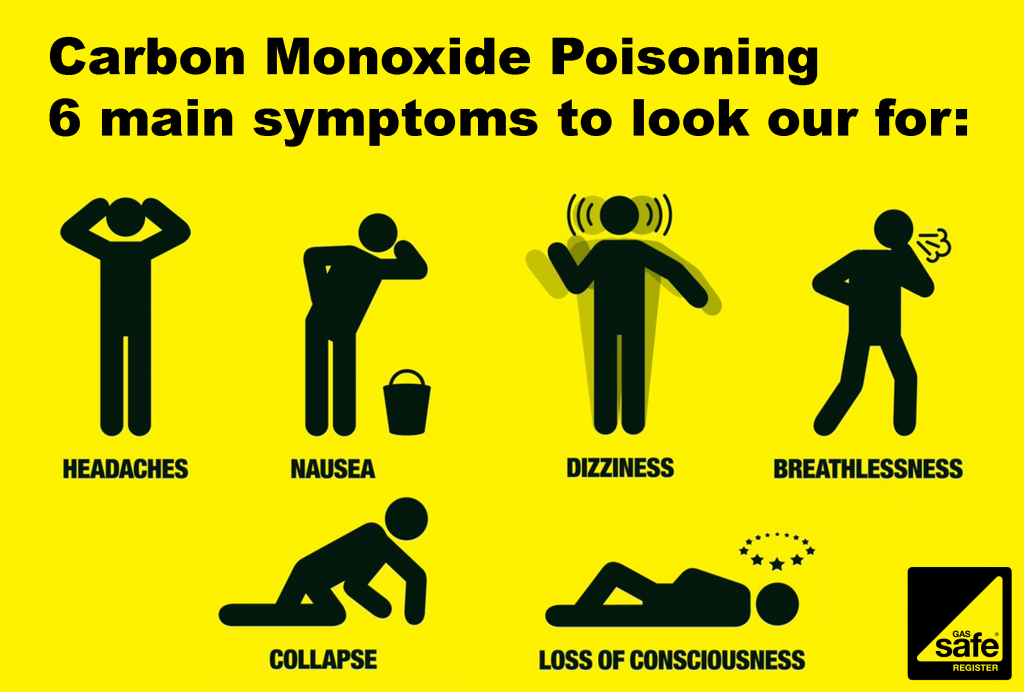
It's like inviting a small mouse, but he brings his whole invisible family.
They don't make a sound. No squeaking, no scurrying. Just silent presence.
It builds up slowly. Like a bad mood, but far more serious.
One minute you're fine. The next, you feel a bit off. Nothing too alarming, you assume.
Our Silent Protector
So, what's a savvy homeowner to do about this stealthy gas?
Do we constantly sniff the air? Do we wear gas masks while cooking?
No, that would be silly. And quite impractical for a Tuesday night dinner.
Here enters our hero. The Carbon Monoxide Detector.
This little gadget is like a really good, slightly nosy, neighbor.
It stands guard. It sniffs out trouble before you even know it exists.
It doesn't care if you're cooking pasta or burning toast. It's always vigilant.
When CO starts creeping around, the detector says, "Nope! Not today!"
It lets out a loud, insistent beep. Not a gentle murmur, but a proper alarm.
It's your home's personal bodyguard against invisible mischief.
This is where my next unpopular opinion comes in.
We should treat these detectors like gold. Or at least, like a really important remote control.
We spend so much on smart TVs. Why not on something that keeps us safe?
They're not flashy. They don't stream movies. But they are lifesavers.

Installing one near your kitchen, especially if you have a gas stove, is smart.
It's like having an extra set of eyes and a super-sensitive nose.
The detector doesn't judge your cooking. It just wants you to be safe.
It whispers, or rather, yells, secrets your stove might be keeping.
"Better safe than sorry when your stove is throwing a silent party."
These little gadgets don't ask for much. Just a battery check once in a while.
A small price for a big job. They work tirelessly in the background.
Busting the Myths of Olfactory Superiority
Some folks might think, "I'd smell gas! I'd know!"
Another unpopular opinion: your nose is fantastic for cookies, terrible for CO.
Natural gas has a smell added to it, a rotten-egg scent, for safety.
But Carbon Monoxide? Absolutely no odor. Zero. Nada.
Your superhuman sense of smell won't help you here. Not one bit.
It's why CO is such a sneaky adversary. He plays by his own rules.
He wants to blend in. He wants to be unnoticed. He's a true master of disguise.
So, relying on your nose for CO is like asking a fish to climb a tree.
It’s just not going to happen, no matter how much you believe in the fish.
Trust the technology, not your amazing olfactory glands, for this particular threat.
Your nose is good for perfume. Or detecting when dinner is ready. Not this.
Let's give our noses a break. They've got enough important work to do.
A Playful Plea for Vigilance
So, let's not be afraid of our stoves. They usually mean well.

But let's also give them a healthy dose of respectful suspicion.
Check the burners. Make sure the flames are blue, not yellow or orange.
Yellow or orange flames can be a sign of incomplete combustion. That means CO might be lurking.
Open a window when you're cooking up a storm. Let some fresh air in.
It's good for you. It's good for your kitchen. It disperses any lingering mischief.
And yes, install that Carbon Monoxide Detector.
It's the ultimate wingman for your home. Your invisible danger radar.
It doesn't care about your culinary skills. Just your safety.
So, next time you fire up your stove, give it a wink. A friendly warning.
"Behave yourself, old friend," you can playfully whisper. "My detector is watching."
It's a small price for big peace of mind. A little gadget, a lot of reassurance.
Because even our favorite kitchen companions can have a moment of weakness.
And when they do, you'll be ready. Thanks to your vigilant little hero.
It's an unpopular opinion to obsess over unseen dangers.
But when it comes to Carbon Monoxide, a little obsession is quite brilliant.
Keep smiling. Keep cooking. And keep those detectors beeping happily.
Think of it as a friendly challenge to your stove. A game of hide-and-seek.
But in this game, your detector always wins. And so do you.
It’s about being smart. Being prepared. And maybe, just maybe, being a little bit cheeky.