Carbon Monoxide Or Carbon Dioxide Which Is More Dangerous
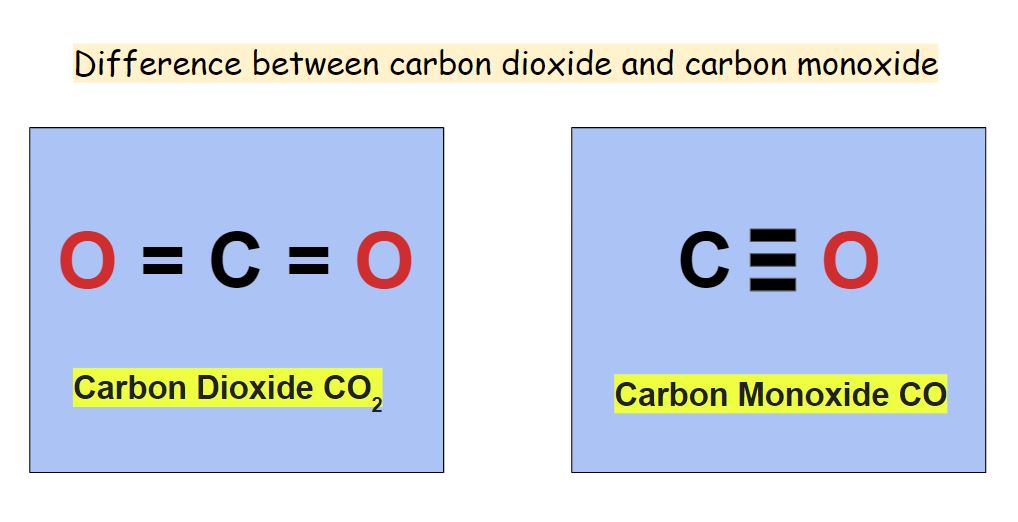
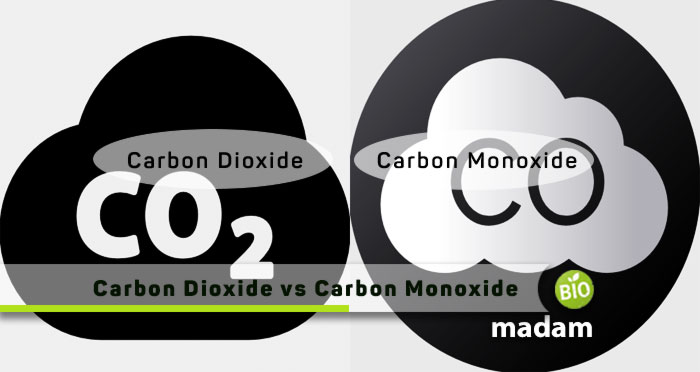
Ever stopped to ponder the invisible ingredients swirling around us? We breathe in and out without a second thought, yet the very air we depend on contains fascinating, and sometimes frightening, components. It's a natural human curiosity to understand our surroundings, especially when it comes to things that impact our health and safety. Today, we're diving into the curious case of two common gases often confused but vastly different in their immediate danger: Carbon Monoxide (CO) and Carbon Dioxide (CO2). Understanding these invisible players isn't just for scientists; it's about empowering ourselves with knowledge to keep our homes and loved ones safe.
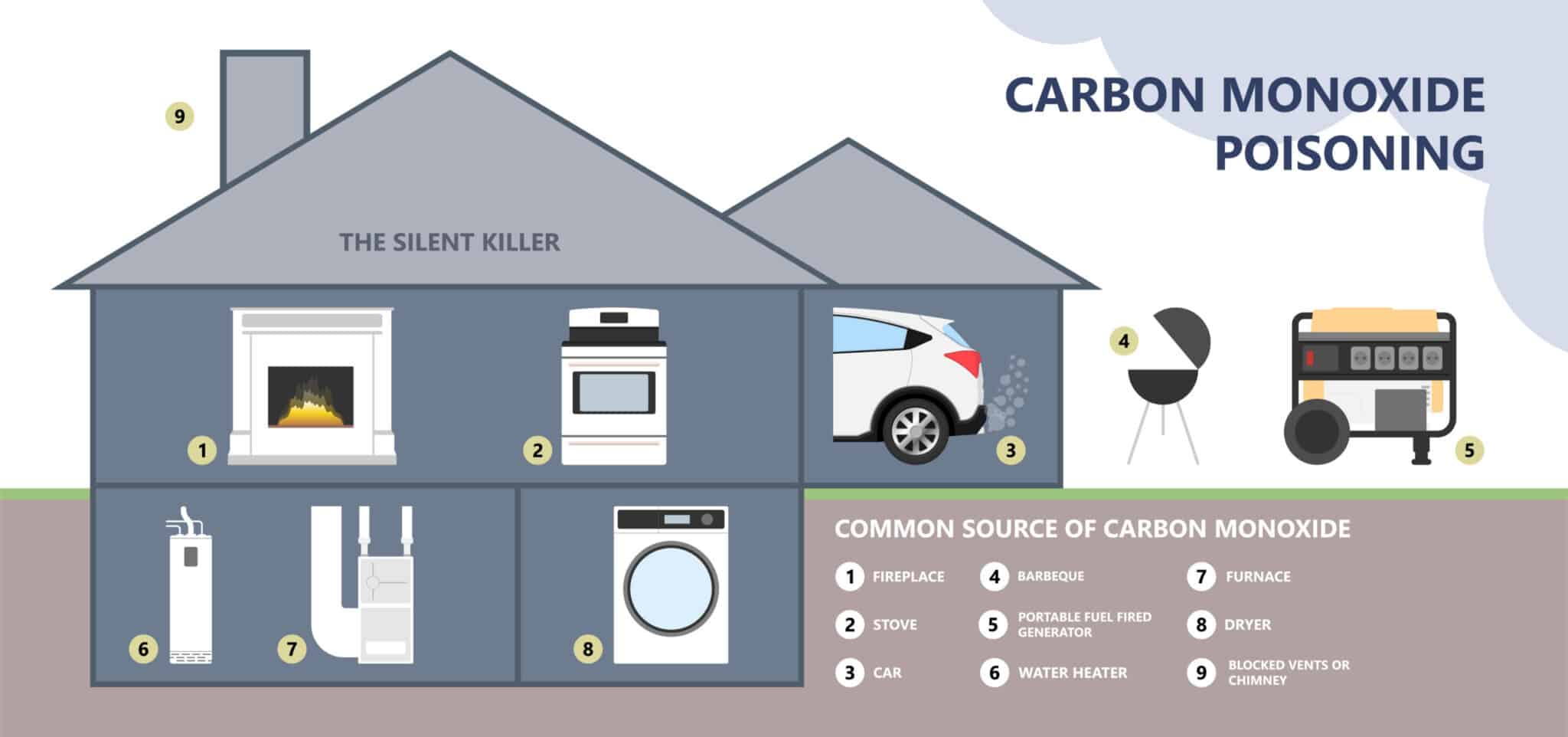
The primary benefit of distinguishing between these two isn't just winning a trivia contest; it's about lifesaving awareness. Knowing where each gas comes from, how it affects us, and how to detect it is crucial for everyday safety. These gases are everywhere: CO2 is what we exhale with every breath, it's the fizz in your soda, and the lifeblood for plants through photosynthesis. Carbon Monoxide, on the other hand, is a byproduct of incomplete combustion – think car exhaust, a faulty furnace, or a charcoal grill burning in an enclosed space. They both share the "carbon" prefix, but their danger profiles are dramatically different.
So, which one wins the dubious title of "more dangerous"? Let's set the record straight. Carbon Dioxide, while a greenhouse gas contributing to climate change, is generally considered non-toxic to humans at normal atmospheric concentrations. You'd need very high levels of CO2 – often found in industrial settings, fermentation tanks, or poorly ventilated, confined spaces – for it to become acutely dangerous. At these elevated levels, CO2 acts as an asphyxiant, displacing oxygen and leading to symptoms like rapid breathing, headache, confusion, and eventually unconsciousness or death due to lack of oxygen. It's a danger of smothering, rather than poisoning.
Must Read
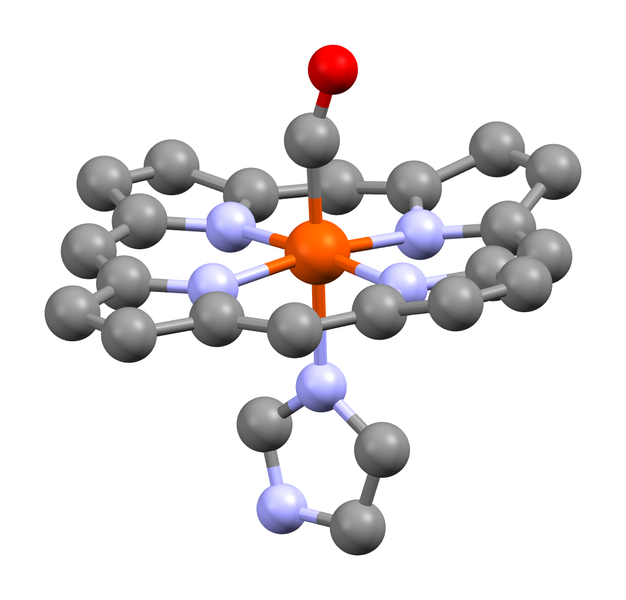
Now, enter Carbon Monoxide, often dubbed "the silent killer." This gas is truly insidious because it’s colorless, odorless, and tasteless. Unlike CO2, you can’t sense its presence. Its danger lies in its incredibly efficient ability to bind with the hemoglobin in your red blood cells – the very molecules responsible for carrying oxygen throughout your body. CO binds about 200-250 times more readily than oxygen, effectively suffocating your body at a cellular level, even if there's plenty of oxygen in the air around you. Symptoms often mimic the flu – headache, dizziness, nausea, weakness – making it difficult to recognize until it’s too late. Even at relatively low concentrations, CO can cause permanent brain damage or death within hours.
Given this chilling comparison, the practical tip is clear: Carbon Monoxide is the immediate, acute danger in residential settings. To stay safe, the most effective tool is a working carbon monoxide detector. Install them on every level of your home, especially near sleeping areas. Regularly check and maintain all fuel-burning appliances like furnaces, gas stoves, and water heaters. Never run a car in an attached garage, and never use a gas generator or charcoal grill indoors. For carbon dioxide, ensuring good ventilation in enclosed spaces is generally sufficient to prevent dangerous build-ups. While CO2 is vital for life on Earth, and managing its atmospheric levels is crucial for our planet, it is CO that poses the more immediate and deadly threat in our homes.