
Carbon Monoxide From Portable Air Conditioner
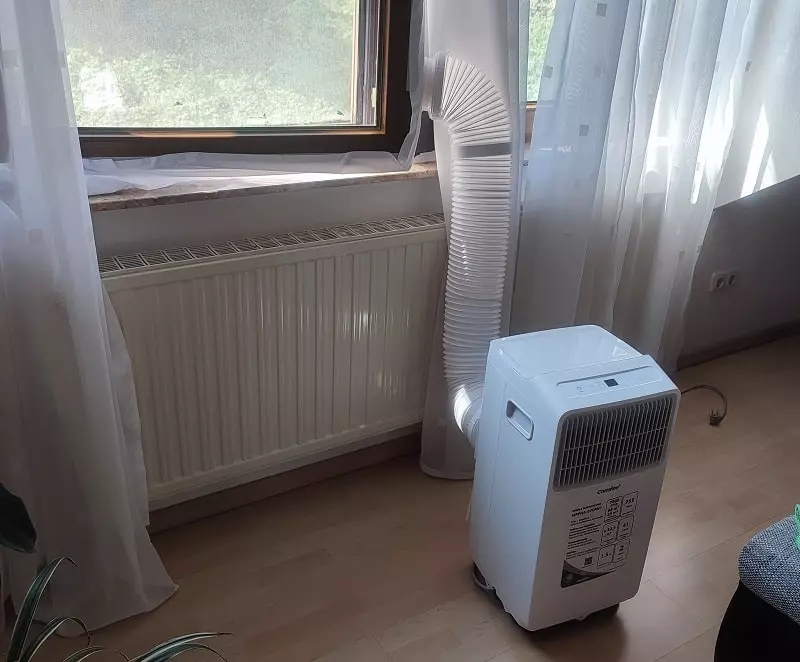
Picture this: a sweltering summer day. You’re dreaming of a cool breeze. Up rolls your handy portable air conditioner, ready to save the day!
These units are total champions for beating the heat. They bring instant relief wherever you need it most. No complicated installation, just plug and play, right?
They offer amazing flexibility and comfort. You can move them from room to room with ease. It's like having a personal cool zone on demand!
Must Read
Well, mostly. But there's a tiny secret some folks don't know. It involves a sneaky, invisible villain called Carbon Monoxide.
Don't worry, we're not here to scare you silly. We're here to share some vital info. This info helps you stay super safe while enjoying that cool air.
Meet the Silent Guest: Carbon Monoxide
Think of Carbon Monoxide, or CO, as a silent guest. It doesn't knock or make a sound. You can't even smell or see it.
This makes CO super tricky, even dangerous. It's often called the silent killer for a very good reason. You wouldn't know it's there without help.
So, where does this sneaky gas come from? CO is a byproduct of burning fuel. Things like gas furnaces, water heaters, and even cars produce it.
But wait, electric portable ACs don't burn fuel, right? That's absolutely correct! Your portable AC itself does not produce Carbon Monoxide.
The connection lies in how these ACs can indirectly create a problem. It's all about how air moves in your home. This is where the plot thickens a bit!
Many portable ACs work by pushing warm air outside. To do this, they create a slight negative pressure inside your home. It's like a tiny vacuum effect.

This negative pressure can become a real magnet. It might pull air, and anything in it, from outside. Or even from other rooms or appliances.
The Surprising Link to Your Cool Air
Here's the crucial part: if you have other appliances running, watch out. Gas stoves, furnaces, or water heaters vent their exhaust outside. That exhaust contains CO.
If your portable AC is creating strong negative pressure, it can mess with these vents. It might pull those exhaust fumes right back inside your house. This is called backdrafting.
Imagine your furnace trying to push smoke out. But your AC is sucking air in from everywhere. That smoke, full of CO, might get pulled back in through the chimney.
Another scenario involves portable generators. Some folks use generators to power their ACs during outages. Never ever run a generator indoors, or too close to windows.
Generators produce tons of CO from their exhaust. If those fumes drift into your home, it's incredibly dangerous. Always use generators far away from your living space.
Remember: Your portable AC itself is safe. The danger comes from how its operation can interfere with other fuel-burning devices, or from improper generator use.
What Happens When CO Sneaks In?
When you breathe in CO, it replaces oxygen in your blood. Your body needs oxygen to survive and function properly. Without it, your organs start to struggle.
The effects can start subtly, making them hard to spot. You might feel a bit tired or have a headache. Many people mistake these for the flu.
Think about a dull headache, dizziness, or nausea. Feeling sleepy or weak might also be a sign. These are early warning signals of CO poisoning.
As exposure continues, symptoms worsen dramatically. You could experience confusion, vomiting, or muscle weakness. It becomes very difficult to think clearly or move.
In severe cases, Carbon Monoxide poisoning can lead to loss of consciousness. It can even cause permanent brain damage or death. This is why immediate action is vital.
Children, the elderly, and pets are especially vulnerable. Their bodies are more sensitive to the effects of CO. They might show symptoms much faster.
Your Best Friend: The CO Detector
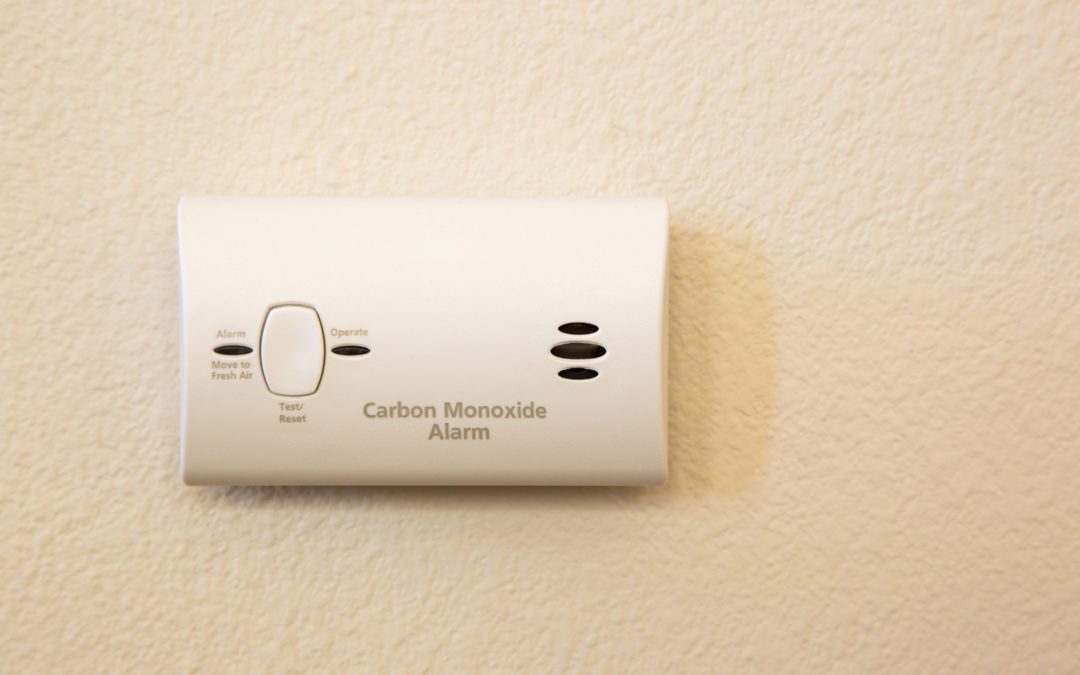
So, how do you protect yourself from this invisible threat? The answer is simple and effective: a Carbon Monoxide detector.
These clever devices are like smoke detectors, but for CO. They listen for the gas you can't see, smell, or taste. When they find it, they sound a loud alarm.
Installing CO detectors is your absolute best defense. Place them outside sleeping areas and on every level of your home. It's a small step for huge safety.

Think of them as your home's personal bodyguard against unseen dangers. They constantly monitor the air, keeping you and your loved ones safe. It's pure peace of mind.
Always test your detectors regularly. Most have a test button for easy checks. Replace batteries annually, or follow the manufacturer's instructions for sealed units.
Mastering Proper Venting
Beyond detectors, proper venting of your portable AC is key. Most units come with a hose kit for this purpose. It's designed to direct warm air safely outside.
Make sure the exhaust hose is correctly installed. It should go out a window or a dedicated vent opening. Seal around the window kit to prevent air leaks.
A good seal stops warm air from sneaking back in. More importantly, it helps prevent pressure imbalances. This reduces the risk of backdrafting from other appliances.
Double-check your instruction manual for your specific AC unit. Every model has precise venting guidelines. Following them makes a big difference in safety.
Consider using a two-hose portable AC if possible. These units draw in outside air for cooling, then exhaust the hot air back out. This doesn't create negative pressure inside.
Two-hose units are often more efficient and safer. They don't mess with your home's delicate air balance. It's a smart choice for extra peace of mind.
When the Alarm Rings: What To Do
If your Carbon Monoxide detector sounds, don't ignore it. Even if you don't feel sick, act quickly. That alarm is telling you something important.
First, get everyone, including pets, out of the house immediately. Move to fresh air outdoors. Don't waste time trying to find the source.
Once you're safely outside, call 911 or your local emergency number. Explain that your CO detector has gone off. Emergency services will come to investigate.
Don't re-enter your home until it has been declared safe. Let the professionals handle the checks. They have special equipment to detect CO levels.
It's always better to be safe than sorry. A quick response can save lives. Trust your detector; it's there to protect you.
Keep Your Cool, Stay Safe!
Portable air conditioners are fantastic for beating the heat. They offer incredible comfort and flexibility during those hot months. We all love a good cool down!
Just remember the simple steps to ensure safety. Install and maintain Carbon Monoxide detectors. Always vent your AC properly, sealing any gaps.
Be extra cautious if using a generator; keep it far away from your home. Understanding these simple facts makes all the difference. It turns potential danger into pure comfort.
So go ahead, enjoy that wonderfully cool air. But do it with a little extra knowledge and confidence. Staying informed means staying safe and cool!