
Carbon Monoxide Detector Where To Mount
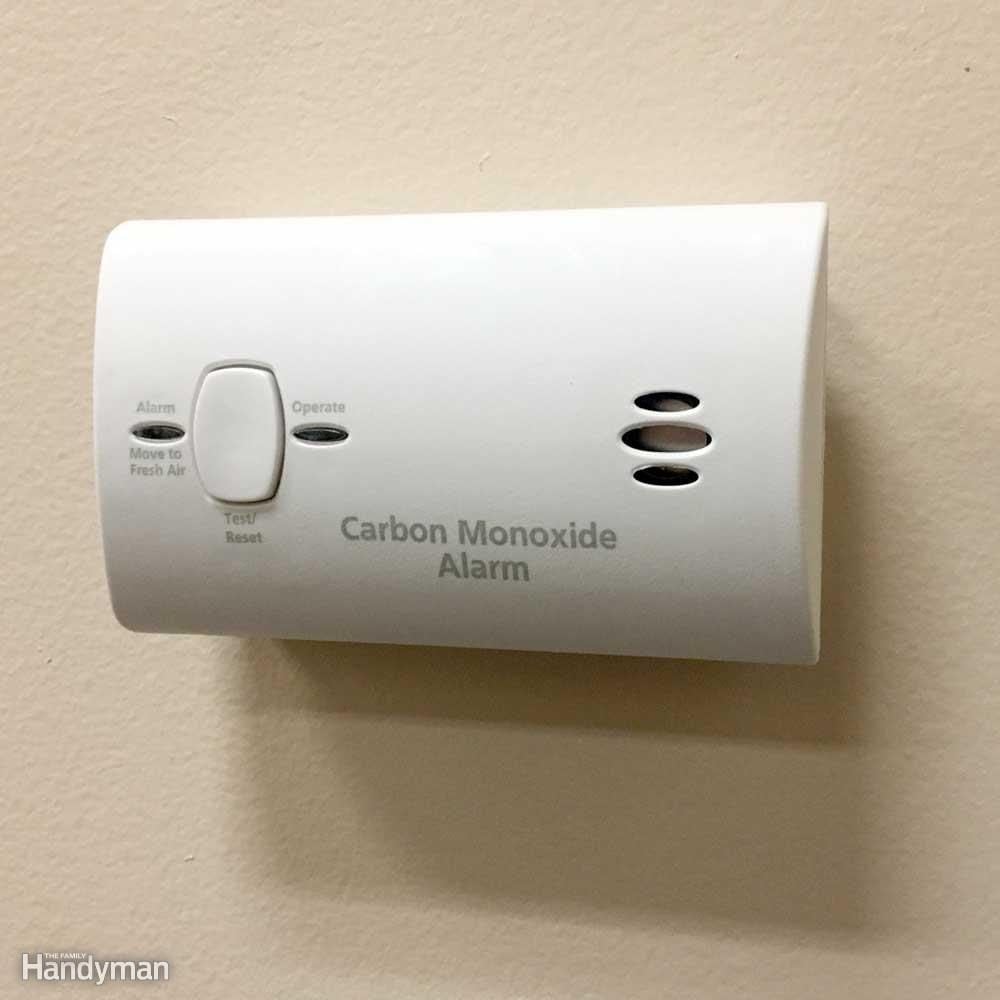
Hey there, safety explorers! Ever wonder about those little gadgets humming quietly on your wall or tucked away in a corner? You know, the ones that keep an eye (or rather, a nose!) out for silent dangers? We’re talking about your Carbon Monoxide detector, and today, we’re going on a curious little adventure to figure out the very best spot to mount it.
Think of your CO detector as a superhero with super senses. But even superheroes need to be in the right place to spot trouble, right? It’s not just about slapping it anywhere; there’s a bit of cool science and smart strategy involved. Let’s dive in!
The Sneaky Guest: What is Carbon Monoxide?
First things first, what exactly are we dealing with? Carbon Monoxide, or CO, is like the ultimate party crasher. It’s a gas that’s invisible, odorless, and tasteless. You can’t see it, you can’t smell it, you can’t taste it. That’s why it’s so incredibly dangerous. It can come from everyday things like gas furnaces, water heaters, fireplaces, or even a car running in an attached garage.
Must Read
It sneaks into your lungs, fooling your blood into thinking it’s oxygen, and before you know it, things can get really serious. Pretty unsettling, right? That’s why our little detector friend is so crucial – it’s literally your early warning system, your silent guardian against this silent threat.
The Big Question: Where Does CO Go? Up, Down, or All Around?
This is where it gets interesting! Many people have heard myths about CO. Some say it’s lighter than air and floats up to the ceiling like a helium balloon. Others are convinced it’s heavier than air and sinks to the floor like a lead weight. So, what’s the real scoop?
Drumroll, please… neither is quite right!

CO is actually very similar in density to air. Think of it like adding a drop of food coloring to a glass of water – it pretty much mixes and disperses throughout the entire liquid. Similarly, CO tends to mix quite evenly with the air in a room. It doesn't neatly stratify at the ceiling or the floor. This is a game-changer for where we decide to place our detectors!
Mounting Magic: Finding the Sweet Spot(s)
1. The Sleep Zone is Prime Real Estate
This is perhaps the most important rule. You’re at your most vulnerable when you’re asleep because you can’t smell or detect CO. So, you absolutely want a detector near or inside every sleeping area. Imagine it as a little guardian angel watching over you and your loved ones while you dream. Place one in the hallway outside bedrooms, and ideally, one inside each bedroom if possible.
Why? Because even if CO is mixing, if it starts to build up in your sleep zone, you need that immediate alert. It’s like having a smoke detector right outside your bedroom door – crucial for waking you up to potential danger.

2. One on Every Level, Please!
Just like a good Wi-Fi signal needs boosters throughout a large house, CO detectors need to be distributed. CO can travel! If your home has multiple levels (basement, first floor, second floor), you should have at least one CO detector on each level. This ensures a comprehensive safety net for your entire living space.
Think of it as having multiple pairs of eyes. One detector can't see everything that's happening upstairs or downstairs, especially if doors are closed or air circulation is limited. Each floor needs its own lookout.
3. Proximity to Carbon Monoxide Sources
This might seem obvious, but it comes with a twist! You want detectors near sources of CO, such as your furnace, water heater, or fireplace. These are the usual suspects for CO production. However, don’t place them too close to the actual appliances. Why?
Because sometimes appliances can emit a tiny, harmless puff of CO when they first kick on, which could trigger a false alarm if the detector is right on top of it. Give it some breathing room – generally, at least 15-20 feet away from fuel-burning appliances is a good rule of thumb. This gives the CO time to spread and mix properly before detection, preventing unnecessary alerts.

4. The Goldilocks Height: Not Too High, Not Too Low
Given that CO mixes with air, where should it be vertically? The general recommendation is to mount CO detectors at chest height or higher on a wall. Some can even go on the ceiling, but it's not strictly necessary like with smoke detectors (which need to be high because smoke rises).
Why chest height? It’s a good balance. It puts the detector in the general breathing zone of people in the room, where it's most likely to encounter CO as it mixes. Plus, it's typically out of reach of curious kids or pets, and less likely to be bumped into or accidentally obstructed.
5. Where Not to Mount Your Detector
Just as important as knowing where to put it, is knowing where not to put it! Avoid:

- Direct sunlight or heat sources: Extreme temperatures can affect the sensor.
- Near air vents, fans, or open windows: Strong air currents can dilute CO or prevent it from reaching the sensor effectively.
- In very humid areas like bathrooms: Moisture can interfere with the electronics.
- Behind curtains or furniture: Obstructions block the airflow to the sensor.
Think of it this way: your detector needs clear, unobstructed access to the air it's sampling. Don't hide its superpowers!
Your Home's Invisible Shield
So, there you have it! Mounting your Carbon Monoxide detector isn't just a chore; it's a smart, strategic move to keep your home safe and sound. By understanding how CO behaves and where to place your vigilant little gadget, you're empowering it to do its job perfectly.
Remember to test your detectors regularly (usually with a button push) and replace them according to the manufacturer’s instructions (they typically last 5-7 years). Give your CO detector the best vantage point, and it’ll continue to be your home's unsung hero, silently protecting you and your family.
Stay curious, stay safe!