
Carbon Monoxide Detector Vs Smoke Alarm
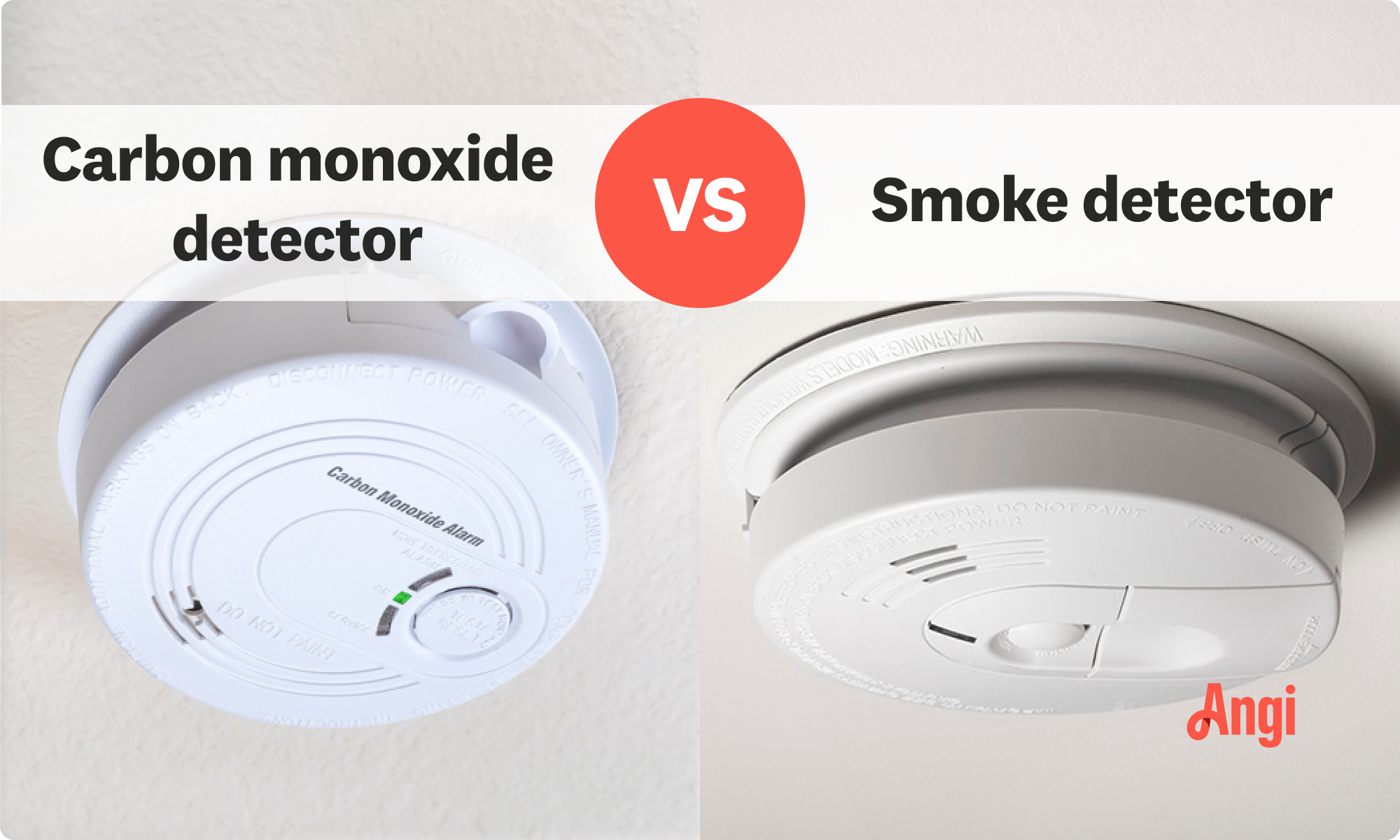
Picture this: It's 2 AM. You're deep in REM sleep, dreaming of… well, who knows what. Suddenly, a piercing, insistent BEEP-BEEP-BEEP slices through the quiet. Your heart jumps into your throat, and your brain immediately screams, "FIRE!" You stumble out of bed, adrenaline pumping, sniffing the air wildly for smoke. Is that a faint burning smell? Or is it just the panic cooking your brain cells? You grope for a light, eyes scanning for flames, only to find… nothing. No smoke, no fire, just that relentless, irritating beep coming from a small, round device on the ceiling. Sound familiar?
Yeah, been there, done that, bought the emotional trauma T-shirt. My friend Sarah had a similar moment of pure terror last month. She nearly called the fire department because of a suspicious "fire alarm" sound. Turned out, after a frantic, bleary-eyed search, it wasn't her smoke alarm at all. It was her carbon monoxide detector, chirping its little heart out because its battery was dying. And that, my friends, is where our little adventure into home safety begins, because these two vital gadgets, while often looking like identical twins, are actually like chalk and cheese.
The Familiar Friend: The Smoke Alarm
Let's start with the one most of us recognize instantly: the smoke alarm. You know it, you (hopefully) love it, and you definitely want it working. Its job is pretty straightforward: it sniffs out smoke. That's the visual stuff that billows up when something's on fire – toast gone rogue, a forgotten candle, an actual house fire. It's your first line of defense against a blaze.
Must Read
When a smoke alarm detects smoke, it typically lets out a continuous, ear-splitting shriek. It's designed to be impossible to ignore, to jolt you awake and tell you, "Hey! Get out! Now!" There are a couple of main types – ionization and photoelectric – but their ultimate goal is the same: early warning for fire. You should have them on every level of your home, inside and outside sleeping areas. They're literally lifesavers, giving you precious minutes to escape.
The Silent Guardian: The Carbon Monoxide Detector
Now, let's talk about the one that often gets mistaken for its smoky cousin: the carbon monoxide (CO) detector. This is where Sarah's midnight scare comes in. While a smoke alarm detects something you can usually see (smoke), a CO detector is looking for something far more insidious: carbon monoxide gas.

And here's the crucial, chilling part: CO is often called the "silent killer" for a reason. It's colorless, odorless, and tasteless. You can't see it, you can't smell it, you can't taste it. It's produced by the incomplete burning of fuels – think furnaces, gas stoves, fireplaces, cars in an attached garage. In high concentrations, it quickly starves your body of oxygen, leading to dizziness, nausea, confusion, and eventually, unconsciousness and death. Scary stuff, right?
So, how does its alarm sound? This is key! Unlike the continuous wail of a smoke alarm, a CO detector typically emits a specific pattern: often four short beeps, a pause, then four short beeps again. This distinct sound is meant to differentiate it from a fire alarm. If you hear this specific pattern, it means there's CO present, and you need to get fresh air immediately and call emergency services or your utility company. Don't go back in until it's been declared safe.

Why the Confusion, and Why It Matters
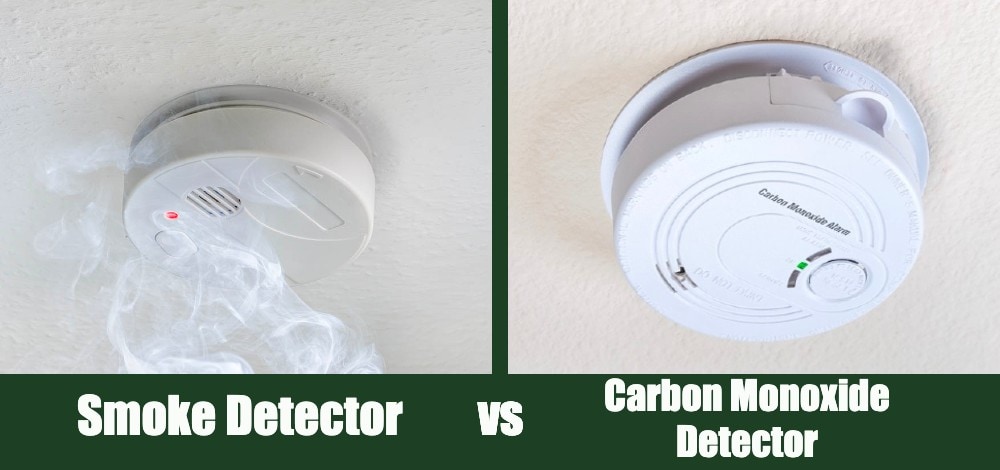
So, why do we get them mixed up? Well, for starters, they often look very similar – small, white, round, and mounted on walls or ceilings. Plus, they both make loud, urgent beeping noises. It's easy to assume "beep = fire" when you're half-asleep or just not thinking straight.
But understanding the difference isn't just a fun fact for your next trivia night. It's about knowing how to react in an emergency. A smoke alarm means escape fire. A CO detector means escape the invisible gas. The actions are slightly different, but equally urgent and vital.
The Takeaway: Get Both, Know Their Sounds
My advice? Don't be like Sarah (or me, in my own moments of panic). Get both a smoke alarm and a carbon monoxide detector. In fact, many modern units are now combined smoke/CO alarms, which can be super convenient, but you still need to know what their different alarm patterns mean! Read the manual, seriously.
Test both regularly (that little "test" button is there for a reason!). Make sure you have fresh batteries. And most importantly, know the difference between a constant shriek and those specific four beeps. Because while both are designed to scare the living daylights out of you, they're doing it for very different, but equally life-saving, reasons. Stay safe out there, folks!
