Alright, friends, let’s talk about a real home hero that often gets overlooked – your Carbon Monoxide detector! This little guardian is like a tiny, vigilant superhero, silently standing watch against a very sneaky villain: Carbon Monoxide, or as we like to call it, CO. This bad guy is invisible, odorless, and utterly silent. It’s like a ninja ghost, but way less fun at parties.
Now, when it comes to placing our hero, the CO detector, a super common head-scratcher pops up: should it go high or low? Do we stick it near the ceiling like a secret spy camera, or tuck it down near the floor like a curious puppy? It’s a question that has puzzled many a well-meaning homeowner, and frankly, it's a fantastic question because getting it right is, well, pretty important!
The Great Gas Debate: High or Low?
Let’s clear up the mystery with a sprinkle of fun science. Unlike its cousin, smoke (which loves to float up and say hello to your ceiling detectors), Carbon Monoxide is a bit of a chameleon. It actually has a very similar density to plain old air. What does this mean in real-world terms? It doesn't dramatically sink to the floor like a forgotten toy, nor does it rocket to the ceiling like a helium balloon escaping a kid's grasp.
Instead, CO is a bit of a social butterfly. It mixes with the air! Imagine spraying your favorite perfume or cologne. Does it just hang out at your ankles or immediately vanish into the stratosphere? Nope! It spreads out, mingles, and eventually reaches noses all over the room. That’s how CO behaves too – it dances around, trying to blend in with your indoor atmosphere.
So, the big reveal? For Carbon Monoxide detectors, we’re not playing "hide and seek" with gravity. We’re looking for the sweet spot, the Goldilocks zone, where you and your loved ones are most likely to be breathing that mixed air.
Carbon Monoxide Detector Placement
Finding the Perfect Perch for Your Protector
Given that CO mixes with air, placing your detector at an awkward, barely reachable height near the ceiling or hugging the dusty floorboards isn’t necessarily the most effective strategy. Think about where you spend most of your time, where you breathe.
The Eye-Level / Chest-Level Champion
The general consensus, and the super smart advice from the folks who make these things, is to install your CO detector at about eye-level or chest-level. We're talking somewhere between 2 to 5 feet off the ground. This makes perfect sense, doesn’t it? It’s about the height where you're typically inhaling the air in your home.
Carbon Monoxide Detector Placement For Furnace Full Guide
Imagine setting up a tiny, superhero lookout post right where you’d casually glance while walking through a room. That's the ideal height! It's accessible for testing (because you’re a savvy homeowner who tests your alarms, right?), and it's right in the thick of things, ready to detect our invisible foe.
Where to Stick ‘Em (The Best Spots!)
Okay, so we know how high (or rather, mid-high), but where in the house?
Carbon Monoxide Detector Placement
Bedrooms are Bestsellers! This is non-negotiable, folks. You spend a huge chunk of your life asleep, and CO is most dangerous when you’re not even aware of it. So, a CO detector in or near every sleeping area is like having a night-watchman standing guard while you dream.
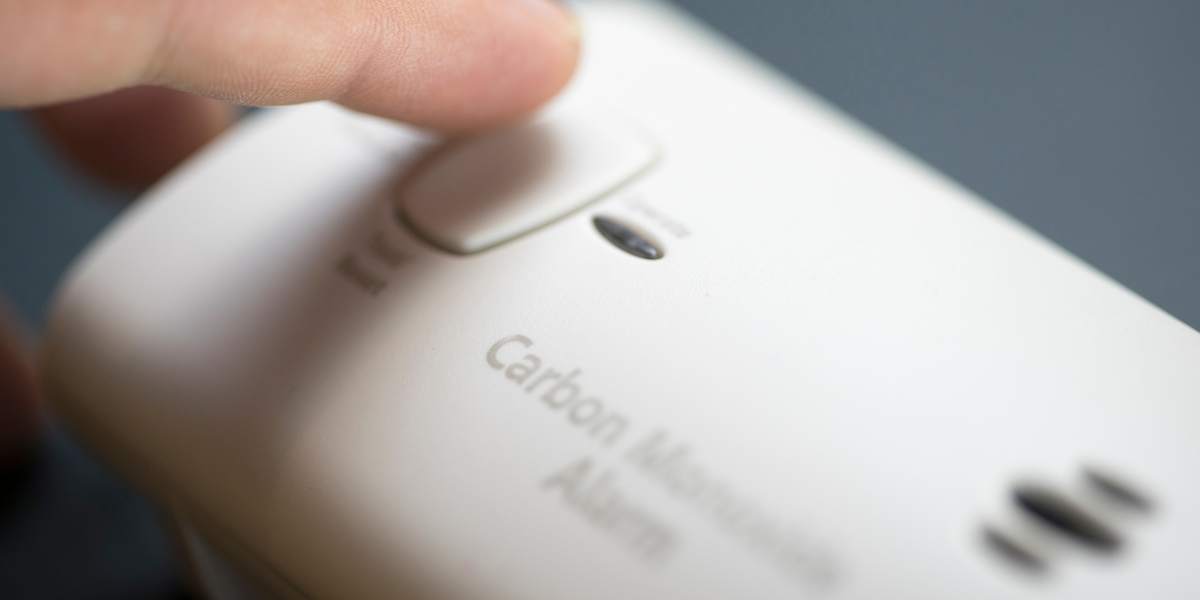
Near Fuel-Burning Appliances: Think furnaces, water heaters, fireplaces, and gas stoves. These are the usual suspects for accidentally leaking CO. Place a detector nearby, but not right next to them – we don't want false alarms from normal appliance operation. Give them a little breathing room, maybe 10-15 feet away.Carbon Monoxide Detector Placement [We Got The Right Place]
On Every Level: If you've got a multi-story mansion (or even a cozy two-story abode), make sure you have at least one CO detector on each floor. Safety in numbers, and on multiple levels!
Where Not to Stick ‘Em (Avoid These!)
Just as important as where to place them, is where not to. Avoid:
Direct sunlight or heat sources: These can mess with the sensor.
Windows or doors: Drafts can dilute the sample air, making detection less accurate.
Ventilation fans: Same reason as above – don't let a draft fool your hero!
Garages: While vehicles produce CO, detectors designed for homes aren't meant for garage conditions and can trigger false alarms.
So, there you have it! The great debate of high or low for your Carbon Monoxide detector is delightfully settled somewhere in the middle. It's all about catching that sneaky gas right where it mixes and right where you breathe. Keep those detectors chirping, test them regularly (once a month is a good habit!), and give yourself a big pat on the back for being such a safety superstar!




![Carbon Monoxide Detector Placement [We Got The Right Place]](https://safetysection.com/wp-content/uploads/2020/08/Carbon-Monoxide-Detector-Placement.jpg)