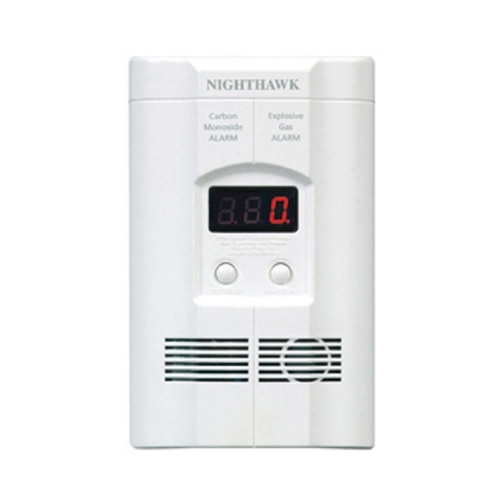
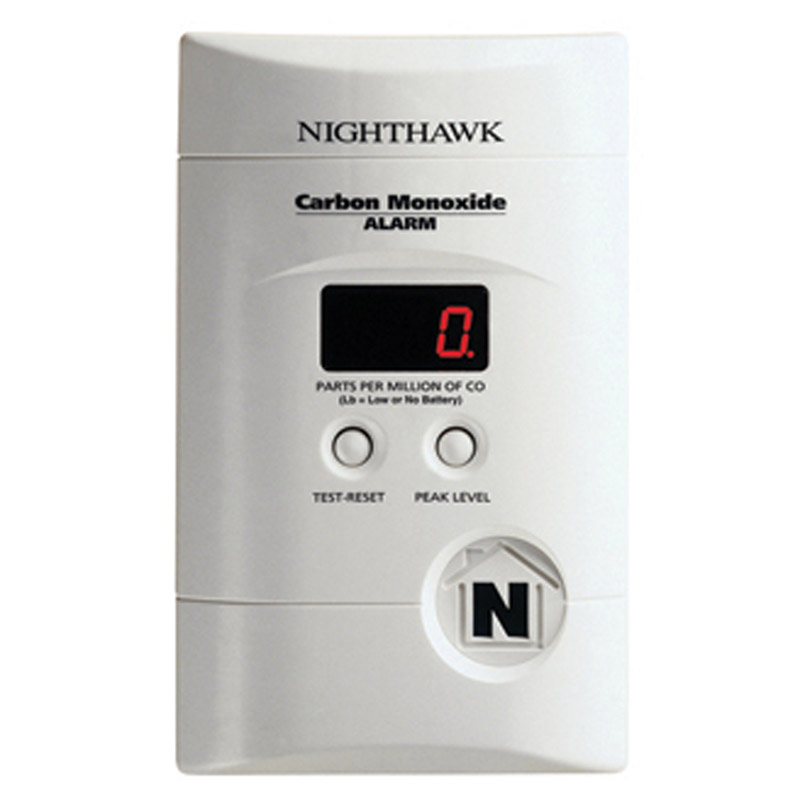
Carbon Monoxide Detector Nighthawk Beeping
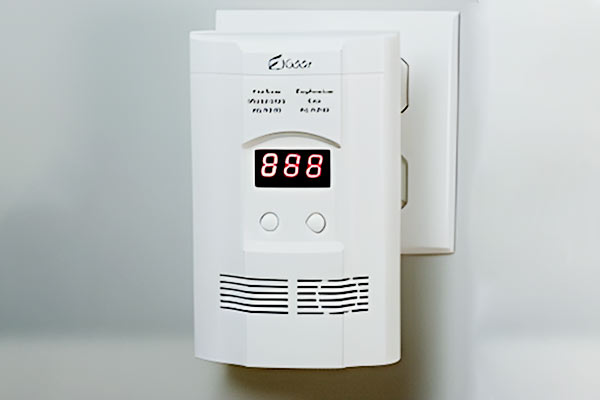
Ever been jolted awake by a mysterious, intermittent beep in the dead of night? You lie there, heart thumping, playing a game of "What's that noise?" with your house. Is it the refrigerator? A dying smoke detector? Often, the culprit is our unsung hero, the carbon monoxide (CO) detector, perhaps even your trusty Nighthawk! And while that sudden sound can be startling, it's actually one of the most useful conversations your home appliance will ever try to have with you. Understanding those beeps isn't just good knowledge; it can be life-saving.
So, why is this topic "fun"? Because it turns a moment of potential panic into an opportunity for empowerment and understanding! It’s about decoding the secret language of your home's most important guardian. Carbon monoxide is often called the "silent killer" for a reason. It's a colorless, odorless, tasteless gas produced by burning fuels – think gas furnaces, water heaters, cars, and even fireplaces. Without a detector, you wouldn't know it was there until it's too late. That's where your CO detector, like the reliable Nighthawk, steps in. It's designed to constantly monitor the air, acting as your home's invisible bodyguard, sniffing out danger before it can harm you or your loved ones.
The benefits are clear: peace of mind and early warning. Knowing you have a device diligently watching over your air quality allows you to sleep soundly. But what happens when that peace is interrupted by a beep? Not all beeps mean the same thing, and knowing the difference is crucial. Let's break down the two main types of beeps you might hear from your Nighthawk or any CO detector:
Must Read
First, and most critically, is the alarm beep. This is typically a loud, continuous, urgent series of four beeps followed by a pause. If you hear this, it means your detector has sensed dangerous levels of carbon monoxide. This is not a drill! You need to act immediately. Get everyone out of the house into fresh air, and call emergency services (like 911 in the U.S.) from a safe location. Do not re-enter your home until first responders have deemed it safe.
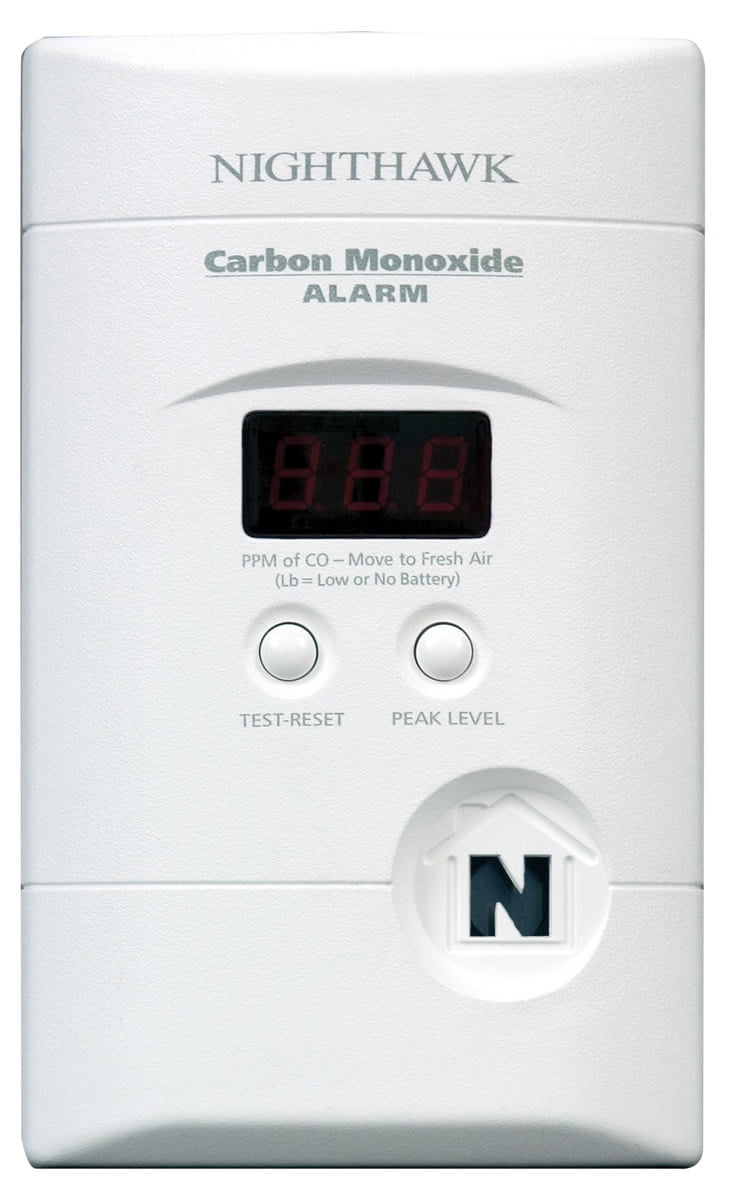
The second type of beep is far less dramatic but equally important: the chirp. If your detector is emitting a single, quick chirp every 30 to 60 seconds, it’s usually trying to tell you one of two things. Most commonly, it means the batteries are low and need to be replaced. Just like your car's fuel light, it's a gentle reminder to re-power your protector. Pop in some fresh alkaline batteries, and your Nighthawk should go back to its silent vigil. However, if you've recently changed the batteries, or if your unit is hardwired and still chirping, it likely means the detector has reached its end of life. Most CO detectors have a lifespan of 5-7 years, after which their sensors become less reliable. A continuous chirp after battery replacement is your cue to replace the entire unit. Don't risk it; a new detector is a small price to pay for continued protection.
So, the next time that mysterious beep pierces the quiet, remember: it's not just a nuisance. It's your Nighthawk (or another CO detector) talking to you, ensuring your home remains a safe haven. Being prepared and understanding its language is the best way to keep your family safe and turn potential panic into proactive protection!