
Carbon Monoxide Detector Location Height
Hey there, awesome home dweller! Ever feel like keeping your living space safe and sound is a bit like being a superhero, but without the cape?
Well, grab your imaginary cape because today we're diving into a topic that's super important, surprisingly simple, and frankly, a fantastic way to boost your peace of mind: Carbon Monoxide (CO) Detector Location Height.
Sounds a bit dry, right? Stick with me! We're going to turn this essential safety check into an empowering little adventure that makes your home feel even more like the safe haven it's meant to be.
Must Read
The Invisible Intruder: What is CO?
First things first, let's talk about our sneaky villain: Carbon Monoxide. It’s often called the "silent killer" because it’s a colorless, odorless, and tasteless gas. You literally can't see, smell, or taste it, but it can be incredibly dangerous.
CO is produced when fuels like gas, oil, coal, wood, and even charcoal don’t burn completely. Think furnaces, gas stoves, fireplaces, water heaters, and even car exhausts. A faulty appliance or poor ventilation can quickly turn your cozy home into a hazardous zone.
And that’s where our superhero gadget comes in: the CO detector! But here’s the trick – just having one isn't enough. Where you place it matters a whole lot.
Unraveling the Mystery: Does CO Rise or Fall?
Okay, let's clear up a common misconception that often makes people scratch their heads (or place their detectors incorrectly!). Many folks wonder if carbon monoxide rises or falls, like smoke or natural gas.

Here’s the deal: CO actually mixes pretty evenly with the air. It’s almost the same density as air, especially when it's hot. So, it doesn’t neatly float up to the ceiling like a party balloon or sink to the floor like a forgotten toy.
This means we can forget about trying to "catch" it at the highest or lowest point purely based on density. Instead, we need to think about optimal detection. And that, my friends, is where the fun (and the strategy!) begins.
The Sweet Spot: Finding Your Detector's Perfect Perch
So, if CO mixes with air, does height even matter? Absolutely! While it doesn't rise or fall predictably, there are definitely strategic spots that give your detector the best chance to do its job.
Think of it as setting up your home security system for maximum efficiency. You wouldn't put your security camera behind a curtain, would you?
Manufacturer Knows Best, But Here's the General Scoop:
Always, always start by reading the specific instructions that came with your CO detector. Different models can have slightly different recommendations.
However, most experts and manufacturers agree on a few general guidelines:
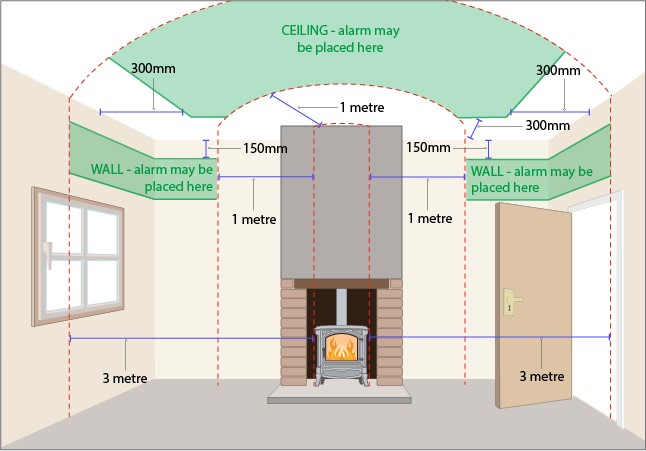
- On a Wall: A fantastic spot is on an interior wall, generally about 5 feet (or 1.5 meters) from the floor. Think eye-level or slightly above. This height keeps it out of reach of curious little hands or pets, and away from potential damage.
- On the Ceiling: Some detectors are designed for ceiling placement. If yours is, aim for the ceiling, but make sure it’s not right next to a fan or vent that could blow air away from it.
- Avoid These Spots:
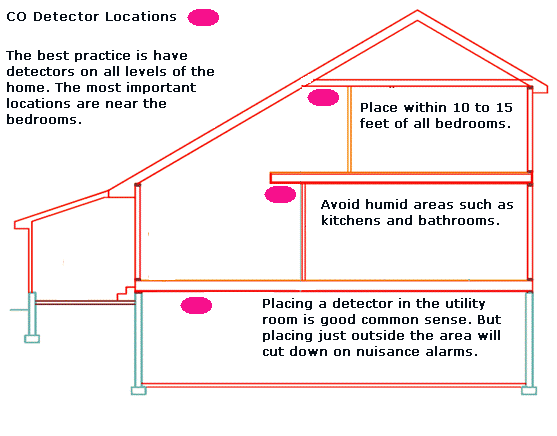
- Too Close to Fuel-Burning Appliances: You don't want false alarms from normal appliance operation. Keep it at least 15-20 feet away.
- Direct Sunlight or Drafts: Extreme temperatures or strong air currents can affect sensor accuracy.
- Corners or Behind Furniture: Air needs to circulate freely around the detector.
Where to Place Them for Maximum Peace of Mind?
Beyond height, where in your home you place them is equally crucial. This is about creating a comprehensive safety net:
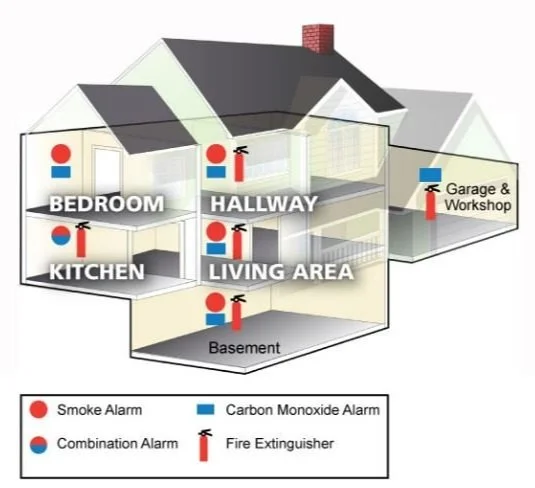
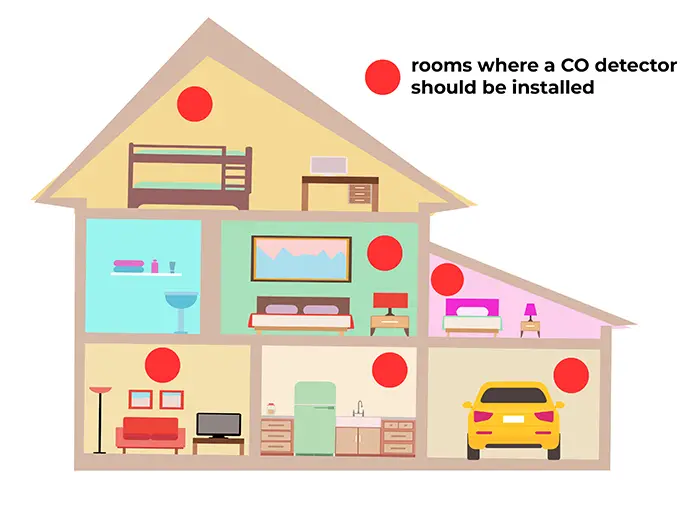
- Near Sleeping Areas: This is a big one! CO poisoning often happens while people are asleep, so having detectors in hallways leading to bedrooms, or ideally, inside each bedroom, is vital.
- On Every Level of Your Home: If you have multiple floors, you need a detector on each one.
- In Common Areas: Living rooms, family rooms – anywhere your family spends significant time.
Making Safety Fun: The Empowering Element!
Here’s where the "fun" really comes in. It’s not about the act of drilling a hole (though a perfectly level mount can be satisfying!). It's about the feeling you get.
.jpg)
Taking a few moments to understand and correctly place your CO detectors is an act of proactive love for yourself and your loved ones. It’s about taking control, being informed, and building a sanctuary where you can truly relax.
It’s knowing that you’ve done your part, optimized your home’s defenses, and set up an early warning system. That, my friend, is a powerful feeling. It transforms a mundane chore into a moment of genuine accomplishment and peace of mind.
Imagine sleeping soundly, knowing your diligent little detector is on guard, in its perfectly chosen spot, ready to alert you to danger. That's a huge win!
A Quick Reminder: Test and Replace!
Remember to test your CO detectors regularly (monthly is a good habit!) by pressing the test button. And pay attention to their expiration dates – most need to be replaced every 5-7 years. They don't last forever!
Your Home, Your Haven, Your Smart Safety Strategy!
So, there you have it! Understanding the ideal height and location for your carbon monoxide detectors isn't just about ticking a box; it's about empowering yourself with knowledge and ensuring your home remains the safe, happy place it should be.
You’ve taken a small step that makes a monumental difference. Isn't it wonderful to know that a little bit of smart planning can bring so much peace and security?
Now go forth, check those detectors, and revel in the satisfaction of being a truly savvy and caring homeowner. Your home and everyone in it will thank you!
Feeling inspired? There's always more to learn about home safety. Keep that curious spirit alive!