
Carbon Monoxide Detector In Rv Going Off
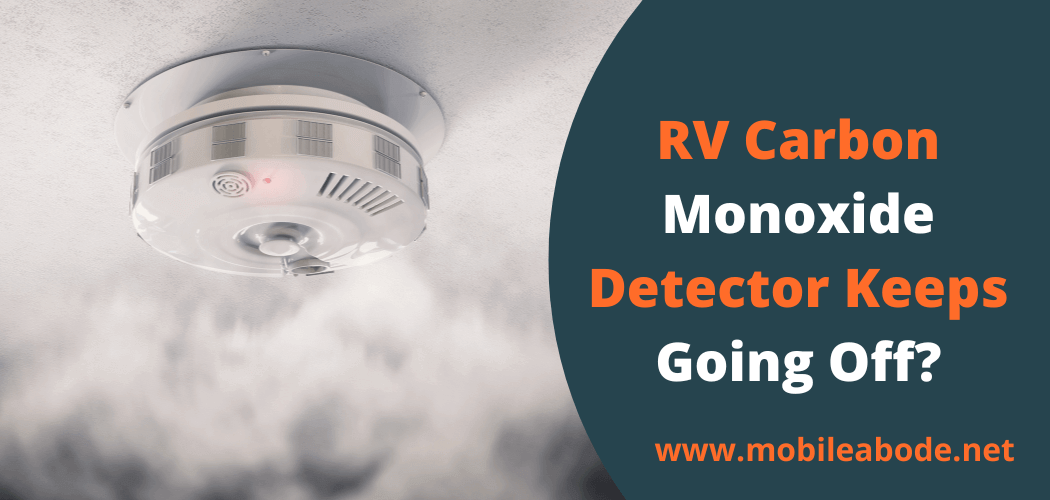
Picture this: You’re living the dream, cruising down an open highway, sunlight dappling through the trees, a freshly brewed coffee steaming in your mug. The RV life, right? Freedom, adventure, the open road… until a high-pitched, insistent shriek cuts through the serenity, rattling your very soul. Yep, we're talking about that moment when your carbon monoxide detector decides to throw a party – an uninvited, panic-inducing one – in your mobile haven.
It happened to me recently, and let me tell you, it's a real jolt. One minute you're humming along to your favorite road trip anthem, the next you're scrambling to figure out which appliance just went rogue. But here's the thing: while it might feel like an unwelcome interruption, that little device is actually your RV's unsung hero, doing its job and potentially saving the day. Think of it as your RV's super-sensitive nose, sniffing out trouble long before you ever would.
The Unseen Guest: What is Carbon Monoxide?
So, what exactly is this invisible menace? Carbon monoxide, or CO, is often called the "silent killer" for a very good reason. It's a gas that’s colorless, odorless, and tasteless. You can’t see it, you can’t smell it, and you certainly can’t taste it. It’s produced when fuels like propane, natural gas, wood, or gasoline don't burn completely. In your RV, that means things like your furnace, water heater, stove, oven, or even a generator running too close to the rig can be potential sources.
Must Read
The danger lies in how CO messes with your body. It replaces oxygen in your bloodstream, essentially suffocating your cells. Symptoms can be sneaky, mimicking a flu or even just fatigue: headaches, dizziness, nausea, confusion. Not exactly what you want when you’re navigating a new campground!
Alarm! What to Do When Your Detector Goes Off
Okay, the alarm is blaring. Your heart is doing the Macarena. What's step one? Don't panic! (Easier said than done, I know, but vital.)
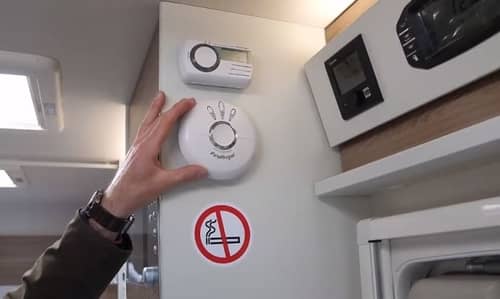
- Ventilate, Ventilate, Ventilate: Immediately open all windows and doors. Get that fresh air flowing through your RV like a hurricane.
- Evacuate Everyone: Get yourself, your family, and any furry friends out of the RV and into the fresh air. Don't waste time trying to pinpoint the source inside. Your safety is paramount.
- Turn Off Appliances: If it's safe to do so quickly as you exit, turn off any propane appliances or generators. But remember, getting out is the priority.
- Seek Medical Attention if Needed: If anyone is experiencing symptoms (headache, dizziness, nausea), get them medical help immediately. Call 911 or your local emergency number.
- Don't Re-enter: Seriously, resist the urge to go back in and investigate. Wait until the air has fully cleared and the source has been identified and fixed by a qualified professional.
Think of it like a fire drill, but for an invisible threat. You wouldn't linger in a burning building, and you shouldn't linger in an RV with a suspected CO leak.
Prevention is Your Best Road Trip Buddy
An alarm going off is a wake-up call, but ideally, we want to prevent that situation altogether. Here are a few pro-tips for keeping your RV CO-free:
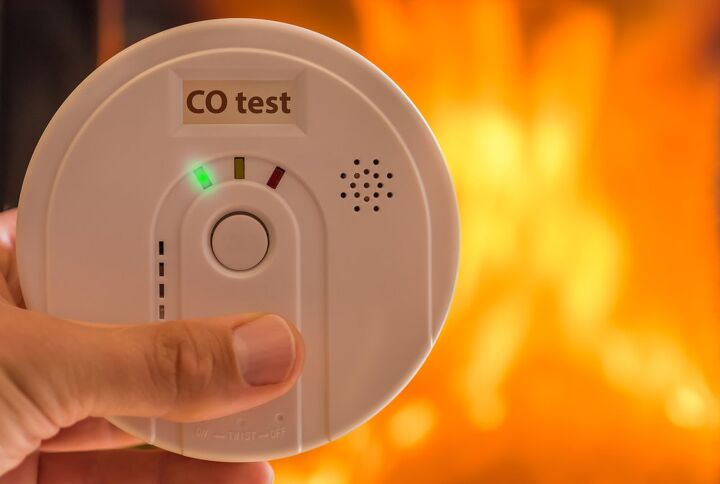
- Test Your Detector Regularly: Just like you'd test your smoke detector at home. Most CO detectors have a "test" button. Push it monthly! It's a quick chirp that ensures the system is still live.
- Know Its Lifespan: Did you know CO detectors expire? It's true! They usually have a lifespan of 5-7 years. Look for a "replace by" date on the back of the unit. They don't last forever, unlike that trusty old cooler.
- Proper Ventilation: Always use your stove or oven with the vent fan on and a window cracked. Never use your oven as a primary heat source. That's a big no-no!
- Generator Safety: Never run a generator inside your RV, under an awning, or too close to open windows/vents. Position it downwind and well away from your living space. Exhaust fumes are the enemy!
- Regular Maintenance: Have your RV appliances (furnace, water heater, stove) inspected annually by a qualified technician. Good maintenance isn't just about efficiency; it's about safety.
- Bring a Portable: Consider carrying a small, battery-operated portable CO detector as a backup. It’s like having an extra pair of eyes, or in this case, an extra nose!
It's a bit like packing for a trip: you might not think you'll need that first-aid kit, but you're always glad it's there. The same goes for your CO detector and these safety practices.
A Little Reflection: Peace of Mind on the Open Road
That shrill alarm was definitely not the highlight of my trip, but it was a powerful reminder. In our pursuit of adventure and escape, it’s easy to overlook the quiet guardians of our safety. Modern RVs are packed with incredible tech and comforts, but none are more important than the simple detectors that stand watch over our well-being.
Just like we buckle up before hitting the highway or check the weather before setting sail, being mindful of potential hazards, even the invisible ones, is part of living fully. Taking a few moments to understand and maintain your carbon monoxide detector isn't just a chore; it's an investment in countless more peaceful sunsets, starlit nights, and unforgettable memories on the open road. Because truly, the greatest freedom is knowing you're safe enough to enjoy every single moment.

