
Carbon Monoxide Detector In Camper Keeps Going Off

Hey there, fellow adventurer! So, your carbon monoxide (CO) detector in your camper decided to throw a little party... a rather loud, heart-stopping, panic-inducing party, am I right? That incessant BEEP-BEEP-BEEP that makes you jump out of your sleeping bag faster than a squirrel with a rocket booster? Yeah, been there, done that, nearly packed up and moved into a bubble for a week. It’s one of those moments that sends a shiver down your spine, because while it's a pain, it's also your little electronic guardian angel doing its job!
First off, breathe. Seriously, take a deep breath. (Preferably outside the camper for a bit, just in case!). It’s super common for these detectors to go off, and often, it's not the end of the world. But it's also not something to ignore. Let's figure out what's got your trusty detector in a tizzy, shall we?
The Usual Suspects: Why Your Camper's CO Detector is Yelling at You
Think of your CO detector as that super-sensitive friend who can smell a burnt cookie from three towns over. It’s designed to pick up even tiny traces of carbon monoxide, which is pretty darn good at being invisible, odorless, and utterly sneaky. Here are the top culprits:
Must Read
1. The Fumes Frolic: This is a big one. Did you have a generator running nearby? Or maybe your neighbor's generator? What about a campfire that decided to smoke you out? Even exhaust from a car idling too close can waft into your camper. Your detector is basically saying, "Hey, there's some exhaust fumes trying to sneak in here! Heads up!"
2. Your Appliances Are Feeling Gassy: Okay, not that kind of gassy, thankfully! But your camper’s appliances – think furnace, water heater, or even your stove – rely on burning fuel (usually propane). If they're not venting properly, or if there's a slight malfunction causing incomplete combustion, they can produce small amounts of CO. It’s like them having a little burp that your detector catches. So, did you just fire up the furnace for the first time this season? Or maybe cooked a big meal on the stove without enough ventilation? Bingo!
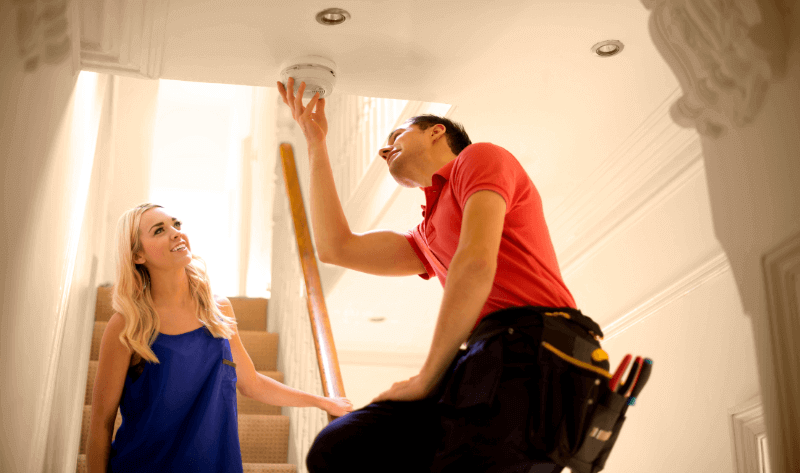
3. The Detector Itself Is Having a Senior Moment: Believe it or not, CO detectors don't last forever. Most have a lifespan of 5-7 years. If yours is getting up there in age, it might just be letting you know it's time for retirement. Sometimes, a low battery can also trigger weird, intermittent alarms, making you think it's a CO issue when it's just saying, "Feed me, Seymour!"
4. Dust Bunnies and Creepy Crawlies: Yep, you heard me. Sometimes, dust build-up or even a tiny bug can interfere with the sensor. It's rare, but it happens! Your detector might just be allergic to dust.
5. Propane Leak (The Less Likely, But Still Worth Checking): While CO detectors aren't designed for propane, a significant propane leak might affect appliance combustion, which could indirectly lead to CO. But usually, you'd smell propane, which has that rotten egg additive. Your CO detector is specifically for the silent, odorless CO.
What to Do When the Alarm Sings its Song of Panic!
Alright, so the alarm is blaring. What’s your game plan, hero?
First and Foremost: VENTILATE AND EVACUATE! Open all your windows and doors. Get everyone (and pets!) outside into fresh air immediately. Don't dally! This is the most crucial step.
Once You're Safe Outside:
- Turn Off Appliances: If you can safely do so from outside, or quickly dip inside, turn off anything that burns fuel: furnace, water heater, stove, oven, generator.
- Reset or Test: If your detector has a "test" or "reset" button, give it a try. If it silences and then alarms again, that's a red flag.
- Check the Date: Look for a "replace by" date on your detector. If it's expired, that's your cue to replace it, pronto!
- Battery Check: If it's battery-operated, swap out those batteries for fresh ones. Sometimes a low battery can cause peculiar chirps or false alarms.
- Clean It Up: Gently vacuum around the detector's vents to remove any dust or cobwebs.
If the Alarm Persists or You're Still Unsure:

If the alarm keeps going off after airing out the camper, or if you feel any symptoms of CO poisoning (headache, dizziness, nausea, fatigue – basically feeling flu-ish), do not re-enter the camper. Call for professional help. A qualified RV technician or even the fire department can investigate the source. They're like the Sherlock Holmes of the RV world!
The Takeaway: Your Detector is Your Best Friend
I know it's a fright when that alarm goes off, and it can feel like your camper is staging a dramatic emergency. But honestly, every single time it goes off, it's doing its job. It's a reminder that these little gadgets are essential for keeping us safe on our adventures. Think of it as your camper giving you a very loud, very important hug.
So, next time it chirps, don't just groan. Take it seriously, follow the steps, and then give that detector a silent "thank you" for being there. Because knowing you're safe means you can get back to what camping is all about: making amazing memories, enjoying starry nights, and maybe even burning a marshmallow or two (safely, of course!). Happy (and safe!) trails to you, my friend!