
Carbon Monoxide Detector How To Stop Beeping
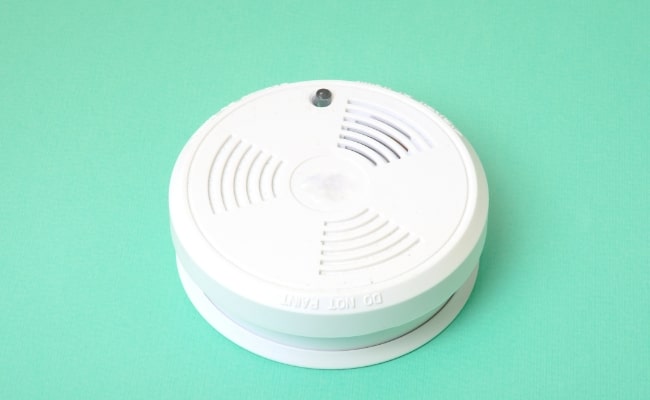
Ever been chilling at home, minding your own business, perhaps binging a show or attempting to bake something ambitious, when suddenly… BEEP! BEEP! BEEP! Your carbon monoxide detector decides it’s time to throw a party, and you’re the only unwilling guest? We’ve all been there. It’s annoying, right? That relentless, piercing sound that cuts through the calm. But hold on a sec, before you grab a pillow to muffle the sound (don’t do that!), let’s talk about this little gadget. It might just be the coolest, most fascinating, tiny superhero in your home.
Think about it. This unassuming device, often tucked away on a wall or ceiling, is basically a silent guardian, constantly sniffing the air for an invisible mischief-maker. Pretty cool, huh?
Why Is This Tiny Hero Such a Chatterbox?
First things first, let’s get curious about carbon monoxide itself. What even is this stuff? Imagine a gas that’s completely odorless, colorless, and tasteless. Sounds like a ninja, right? This invisible ninja, often called CO, is produced when fuels like gas, oil, wood, or charcoal burn incompletely. Things like faulty furnaces, blocked chimneys, or even running a car in an attached garage can produce it. And here’s the scary part: when inhaled, CO replaces oxygen in your blood, which can be super dangerous, even fatal. It’s why your detector is such a big deal!
Must Read
So, when your CO detector starts its siren song, it’s not just trying to annoy you. It’s trying to tell you something important. Let’s decode its language:
1. The Scariest Reason: Actual Carbon Monoxide!
Okay, let's face it, this is the reason we don't want to hear that beep. If your detector is screaming its head off – usually a loud, repetitive alarm like four short beeps followed by a pause – it means it’s detected a potentially dangerous level of CO. This is its primary, most crucial job!

What’s the chill, but super important, move here? Don’t mess around. If it’s truly alarming, get everyone out of the house immediately. And yes, that includes pets! Once you’re safely outside, call 911 or your local emergency services. Let the pros investigate. They’ve got the fancy gadgets to figure out what’s up.
It might feel like an overreaction, but think of it like your car’s engine light: you don’t ignore a bright red warning, especially when it involves your life-support system (aka, your lungs!).

2. The Most Common Reason: Low Battery Chirp
Phew, usually it’s not the scary one! More often than not, that annoying sound is actually a softer, less urgent chirp. Think of it like a sleepy owl, or maybe a demanding cat, asking for attention. This usually means your detector is just saying, "Hey! My juice is running low here. A little help, please?"
It’s often a single chirp every 30-60 seconds. This is your detector’s way of asking for a snack – specifically, a fresh set of batteries. Most CO detectors run on AA or 9V batteries, just like your TV remote or kids' toys. Replacing them is usually a breeze, involving popping open a compartment and swapping them out. Give it a shot!
It’s kind of sweet, really. Even our brave little guardian needs a power nap sometimes.

3. The "I’m Getting Old" Signal: End-of-Life Alert
Did you know CO detectors have a lifespan? Yep, they’re not immortal! Most units are designed to last about 5 to 7 years. After this time, their sensors can start to become less reliable. When they reach their golden years, they often emit a specific series of beeps or chirps to let you know it’s time for retirement.
This "end-of-life" signal can vary by model, but it’s often a consistent chirp every 30 seconds or so, sometimes combined with a flashing light, but it might be different from the low-battery chirp. Check the back of your unit for a manufacture date or an expiry date sticker. If it’s past its prime, it’s time to say thank you for its service and swap it out for a brand-new one. Think of it like an old smartphone that’s seen too many software updates – it just can’t keep up anymore!

4. The "I Need a Dust Buster" Reason: Malfunction or Dust
Occasionally, a detector might beep due to a malfunction or even just too much dust interfering with its sensors. Just like any electronic gadget, sometimes it just needs a little TLC. If you've ruled out CO, low batteries, and it's not at its end-of-life, try giving it a gentle wipe with a soft cloth or a quick vacuum around its vents. Some units also have a "reset" button you can push after changing batteries or cleaning.
So, How Do We Make It Stop Beeping? (The Action Plan!)
Okay, let’s bring it all together for a chill, step-by-step guide to silence that superhero without disrespecting its mission:
- Listen Carefully: Is it a frantic alarm (four quick beeps) or a gentle chirp?
- If it’s a full-on alarm: Assume it’s CO. Evacuate immediately! Call emergency services from outside. Seriously, don't delay.
- If it’s a chirp (and you’re safe):
- Check and Replace Batteries: This is the most common fix. Pop in some fresh ones.
- Check the Age: Look for the manufacturing or expiry date on the back. If it’s over 5-7 years old, it’s time for a replacement.
- Clean and Reset: A quick dusting and a press of the reset button might do the trick.
- If all else fails: And you’re still not sure why it’s beeping, and you’ve done the above, it might genuinely be faulty. Replace it. It’s a small price for peace of mind.
Remember, your carbon monoxide detector is more than just a noisy box on the wall. It's a tiny, dedicated guardian with a very important job: keeping you and your loved ones safe from an invisible threat. So, next time it beeps, don’t just get annoyed; get curious, troubleshoot, and appreciate your home’s unsung hero!