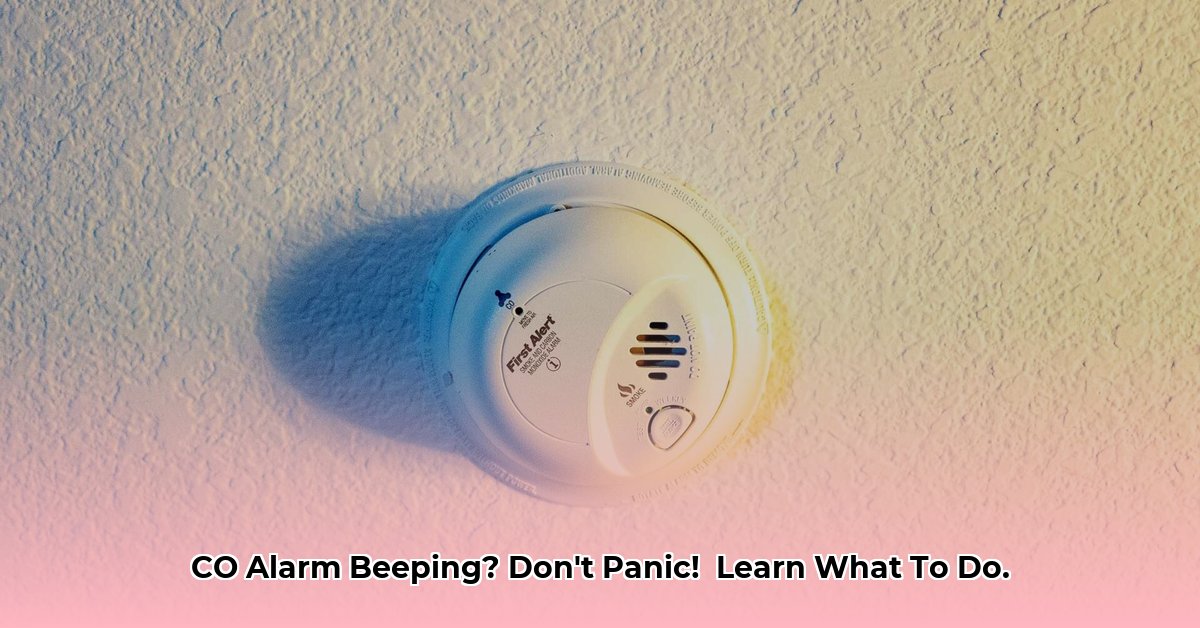
Carbon Monoxide Detector Going Off Every 30 Seconds
/cdn.vox-cdn.com/uploads/chorus_asset/file/23356188/best_carbon_monoxide_detector_panel.jpg)
Alright, gather ‘round, folks, because I’ve got a story for you. Not a horror story, not a romance, but something far more insidious: the tale of a machine designed to save your life, yet somehow manages to drive you absolutely bonkers in the process. I’m talking, of course, about the carbon monoxide detector that decides, with the wisdom of Solomon and the timing of a broken clock, to go off every single 30 seconds. It’s like living in a perverse, ticking game show where the prize is not suffocating, but the penalty is losing your mind.
You know the sound, don’t you? That innocent, almost polite chirp. At first, you’re like, "Huh, what was that?" You dismiss it. Maybe it’s the neighbor's smoke alarm, a phantom text, or a particularly vocal cricket with commitment issues. But then, precisely 30 seconds later, there it is again. Chirp. And again. Chirp. It’s a rhythmic, relentless auditory water torture, designed by some evil genius who definitely also invented waiting music.
The Soundtrack to My Slow Descent into Madness
My first experience with this particular brand of domestic terrorism was, shall we say, enlightening. It started innocently enough, a faint beep from somewhere in the house. I checked the oven, the washing machine, even my own pulse, convinced something was amiss. My dog just stared at me, probably thinking, “Oh, here he goes again, talking to himself.” Then the 30-second interval became clear. It was like a tiny, aggressive bird had moved into my wall and was judging my life choices on a timer.
Must Read
This isn't your fire alarm's frantic, "OMG, GET OUT NOW!" shriek. Oh no, that’s too dramatic for the CO detector’s subtle approach. This is the sound equivalent of a leaky faucet, but with more existential dread. It’s a sound that says, “I’m important, but not urgent enough for you to panic… yet. Just enough to slowly erode your sanity, one half-minute at a time.” You try to ignore it, you really do. But your brain, bless its diligent heart, keeps track. One… two… twenty-nine… THIRTY! CHIRP! Every single time.
What Even IS Carbon Monoxide, Anyway?
Now, before we get too deep into the comedy of errors, let’s talk about the actual villain of the piece: Carbon Monoxide (CO). This stuff is no joke. It’s often called the silent killer, and for good reason. It’s an odorless, colorless, tasteless gas. You can’t see it, smell it, or taste it, but it can utterly mess you up. It comes from fuel-burning appliances – furnaces, gas stoves, fireplaces, cars, grills – anything that burns carbon-based fuel. When these things aren't working right or aren't properly vented, CO can build up.
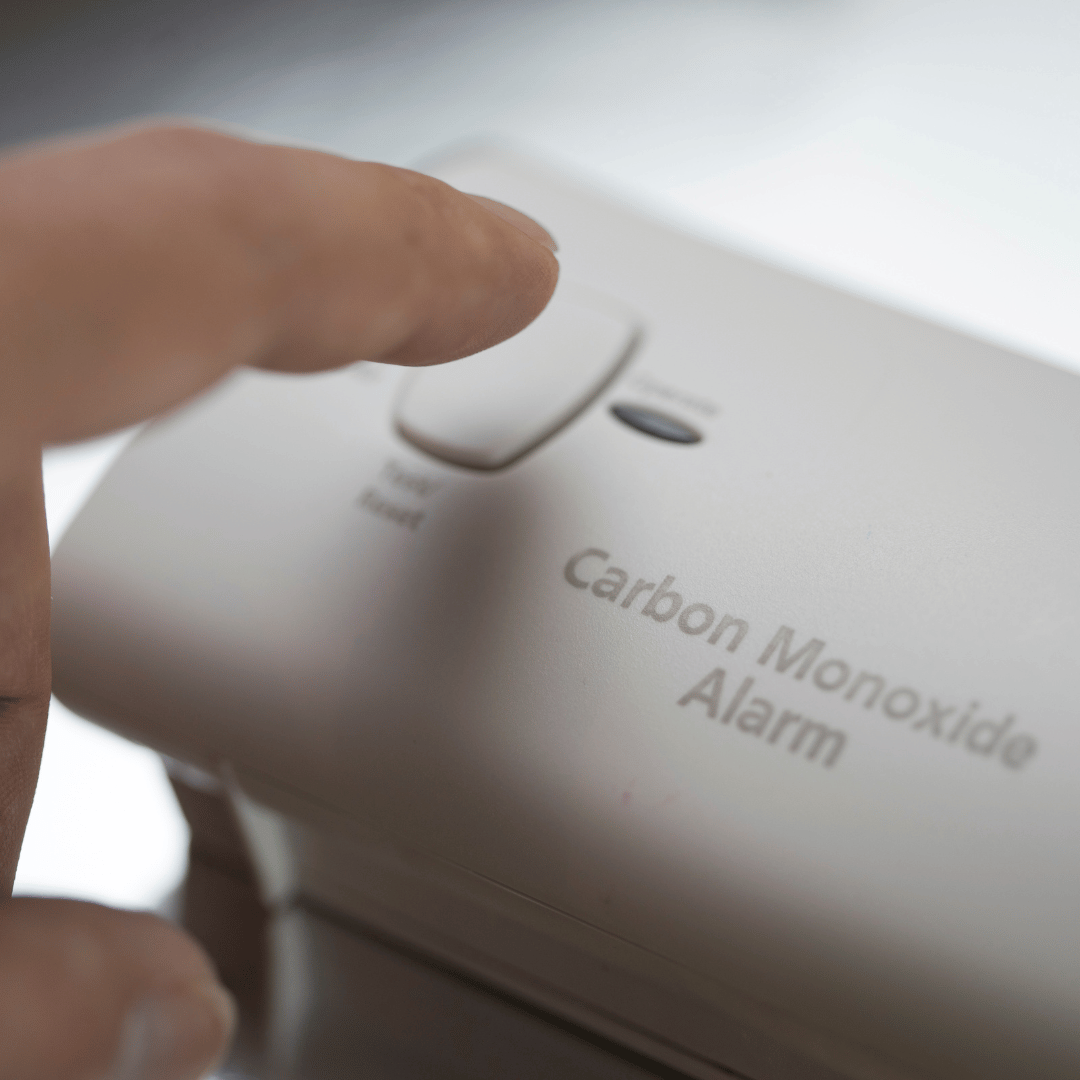
Here’s a fun, slightly terrifying fact: CO binds to the hemoglobin in your red blood cells about 200-250 times more effectively than oxygen does. So, if there’s CO in the air, your blood cells are like, "Ooh, new friend!" and ditch oxygen in a heartbeat. That's why even small amounts can cause symptoms like headaches, dizziness, nausea, and eventually, well, the ultimate nap. It's truly a nasty piece of work.
The Beep That Cried “Low Battery!” (Probably)
So, back to the incessant chirping. What does it mean? Well, if your CO detector is giving you that polite, single chirp every 30 to 60 seconds, it's usually one of two things, and thankfully, neither is usually "you're about to die."
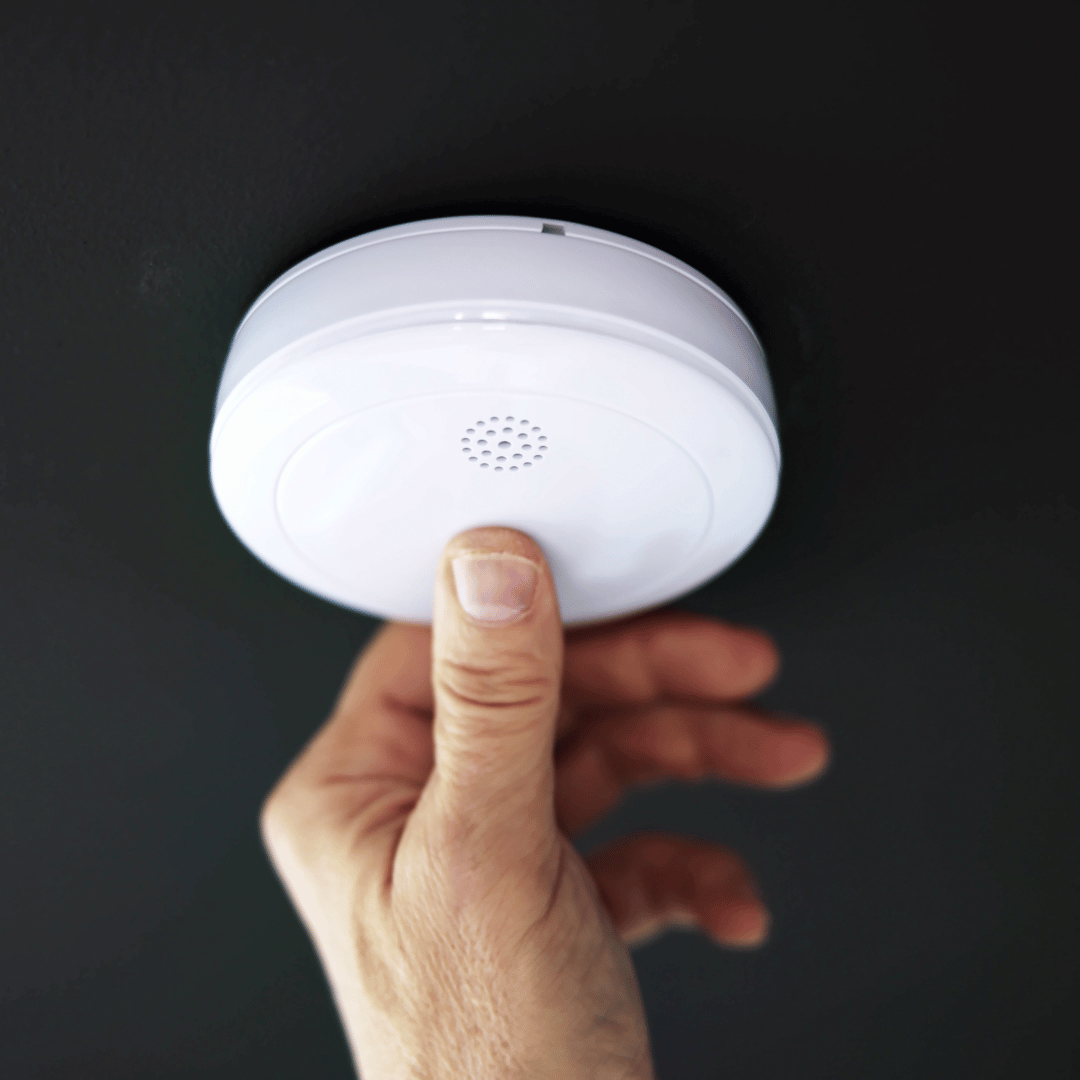
- Low Battery: This is the most common culprit. The detector is politely, but persistently, reminding you that its power source is dwindling. It's like your phone giving you that annoying 10% battery warning, but with much higher stakes and a lot more attitude.
- End-of-Life Warning: Yes, even CO detectors have an expiration date. Most are good for about 5-7 years. After that, their sensors become less reliable, and they start chirping to tell you it's time for a replacement. Think of it as a grumpy old man saying, "I'm too old for this beep!"
It’s important to note: if it’s a continuous, loud, rapid series of beeps (usually 4 beeps followed by a pause), that’s a real CO alert. That’s when you open windows, get everyone out, and call 911. The single chirp is a nuisance. The full alarm is an emergency. Know the difference, it could save your life!
The Great Detector Hunt
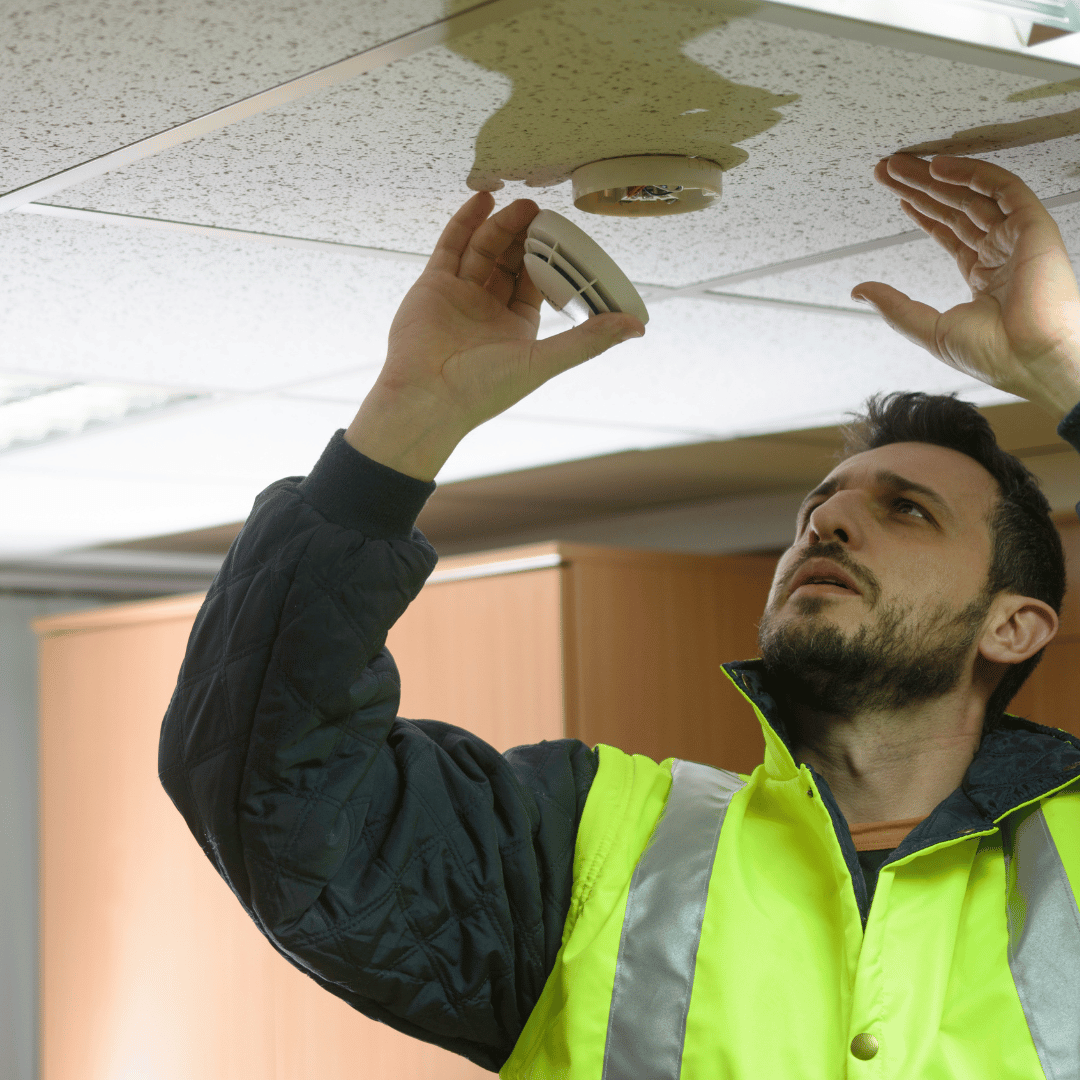
My own "low battery" saga involved me tearing the house apart. It sounded like it was coming from the hallway. Then the kitchen. Then maybe the basement? These things are masters of auditory misdirection. I spent a good twenty minutes staring blankly at the ceiling, convinced I was hallucinating. Finally, I located the culprit: a small, unassuming plastic box high on the wall, smugly emitting its tiny judgment. Replacing the battery was surprisingly difficult, involving a chair, a screwdriver, and a monologue I gave to the detector about its poor life choices.
Another surprising fact about CO detectors: did you know they’re actually a relatively modern invention for homes? While CO poisoning has been a known threat for centuries, affordable home detectors only became widespread in the last few decades. Before that, people relied on things like canaries in coal mines (which, let's be honest, is a pretty grim job description for a bird).
A Necessary Evil, With Excellent Timing
So, while that 30-second chirp might make you want to rip the thing off the wall and hurl it into the nearest black hole, remember its purpose. It's there to protect you from something truly dangerous. It's the nagging friend who keeps reminding you to do something important, even if their delivery needs a little work.
Next time you hear that infernal chirp, don't just sigh dramatically (though a little dramatic sighing is perfectly acceptable). Take action. Check the battery. Check the date on the back of the unit. And if you’re ever in doubt, remember that a temporary annoyance is always better than a permanent problem. Now, if you’ll excuse me, I think I hear a faint, distant… no, wait, it’s just the ice maker. For now.