
Carbon Monoxide Detector Beeps 3 Times Then Stopped
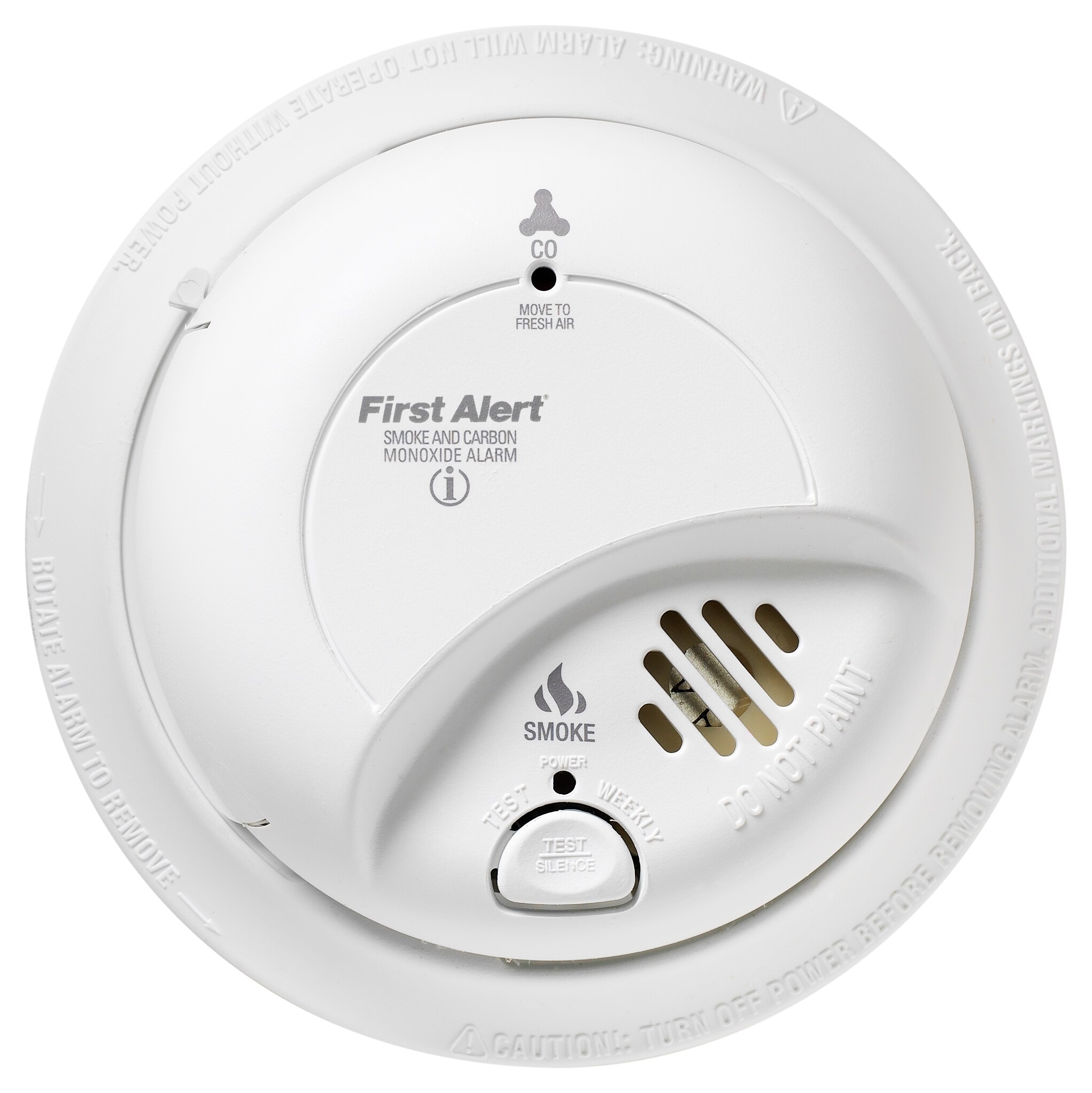
Have you ever heard a mysterious beep from an appliance, only for it to fall silent before you could quite figure out what was going on? It’s a bit like a tiny domestic riddle, isn't it? Well, imagine that riddle coming from your carbon monoxide detector – the silent guardian of your home. When it beeps three times then stops, it's not just a random noise; it's a specific message, a tiny puzzle worth solving. Understanding these signals isn't just a fun piece of household trivia; it's a vital part of keeping your home and loved ones safe, making you the confident commander of your domestic domain!
So, what exactly is a carbon monoxide (CO) detector, and why do we care if it chirps three times? A CO detector is an early warning system designed to sense the presence of carbon monoxide, an invisible, odorless, and tasteless gas often called the "silent killer." CO is produced by the incomplete burning of fuels, like from furnaces, water heaters, fireplaces, or even cars in an attached garage. In high concentrations, it can be deadly. The detector’s primary purpose is to sound a loud alarm (typically four rapid beeps, repeating) when CO levels become dangerous. This provides precious time to ventilate your home and evacuate, potentially saving lives. The benefit is clear: peace of mind and a proactive shield against a grave, unseen threat.
Now, about that specific three-beep pattern: while four repeating beeps usually signal dangerous CO levels, three beeps that then stop often indicate something else entirely. In many common models, three beeps signal a malfunction or sensor fault. This means the detector itself might not be working correctly or its internal components are experiencing an issue. Another possibility is that it’s detecting a very brief, low-level transient of CO that quickly dissipates, though this is less common for a "three beeps then stops" pattern compared to the repeating four-beep alarm for sustained CO. Some detectors might also use a three-beep pattern as part of a test sequence or a specific diagnostic code. Understanding this distinction is crucial. For instance, in daily life, if your detector beeps three times and then stops, it's a call to action. It’s like a car’s "check engine" light; it doesn't mean immediate catastrophic failure, but it definitely warrants investigation. In educational settings, dissecting this could lead to fascinating discussions about sensor technology, gas chemistry, and home safety protocols.
Must Read
Ready to become a CO detective? Here are some simple tips. Firstly, if your CO detector ever beeps three times then stops, do not ignore it. Even if it's not the traditional four-beep alarm, it's telling you something. Check the detector's specific manual, as different brands and models can have varied alert patterns. The manual is your best friend here! Practical steps include ensuring your detector's batteries are fresh (a single beep every minute or so typically means low battery, not three beeps) and checking its expiration date – most detectors have a lifespan of 5-7 years and will often give an end-of-life signal (sometimes five beeps) when it’s time for a replacement. To explore further, research the common sources of CO in your area, and consider doing a simple home safety check to ensure all fuel-burning appliances are well-maintained and vented properly. Remember, every beep, every flash, is a little story, and understanding it makes your home a safer, smarter place to be.
![Carbon Monoxide Detector Beeps 4 Times Then Stopped - [Mom Prepared]](https://momwithaprep.com/wp-content/uploads/2024/12/cropped-momlogo.png?v=2)

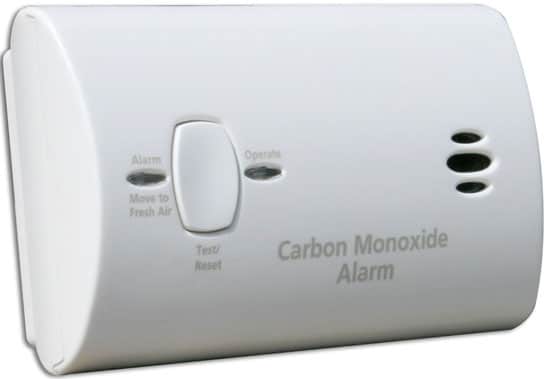
![Carbon Monoxide Detector Went Off Twice Then Stopped [Explained] – Fire](https://firesafetysupport.com/wp-content/uploads/2023/03/carbon-monoxide-detector-went-off-twice-then-stopped.webp)